MT EVEREST + MT LHOTSE

8848 & 8516 Meters | Nepal | 10th Apr 2026

DIFFICULTY

Hard

DURATION

60 Days

BEST TIME

April – May

COST

On Enquiry

overview

Everest Lhotse Dual Expedition: Conquering Two Peaks in One Adventure

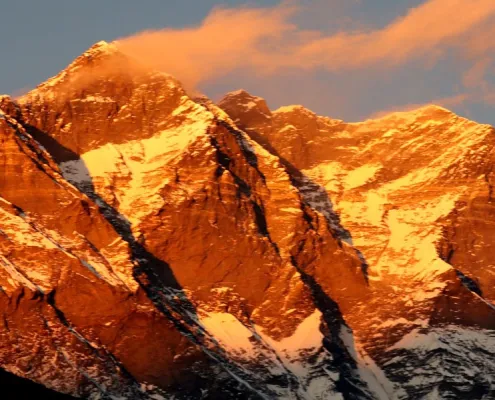
The Everest Lhotse Dual Expedition is a challenging and exhilarating adventure that allows climbers to conquer two of the world’s highest peaks in a single expedition, namely Everest & Lhotse.

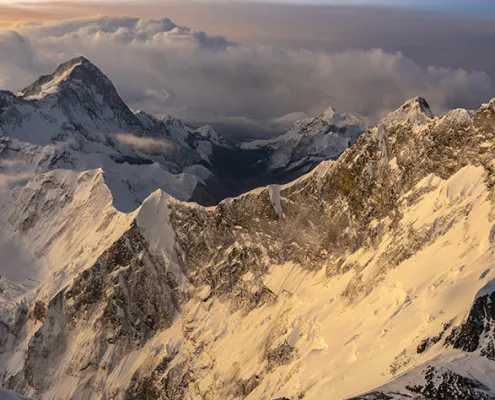
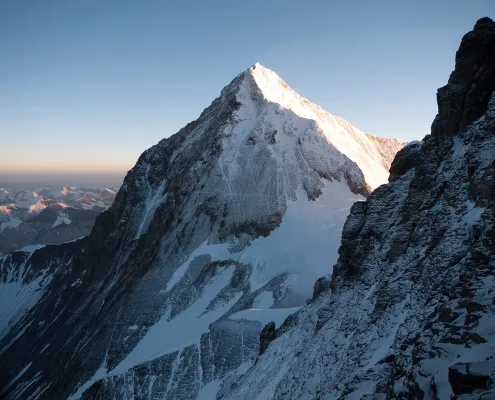
Mount Everest, standing at 8,848 meters (29,029 ft), is the highest peak in the world. An expedition to Mt Everest is undoubtedly a lifetime opportunity. However, one must be absolutely well-trained, both mentally and physically, before embarking on a journey that’s filled with life-threatening challenges.

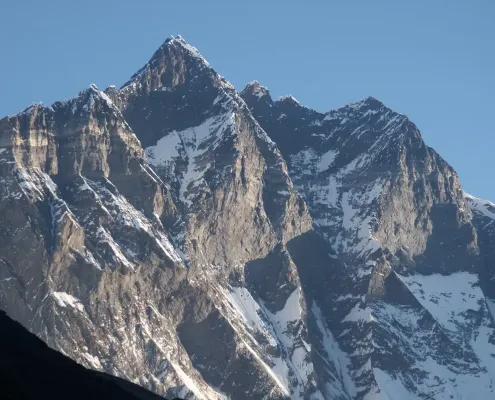
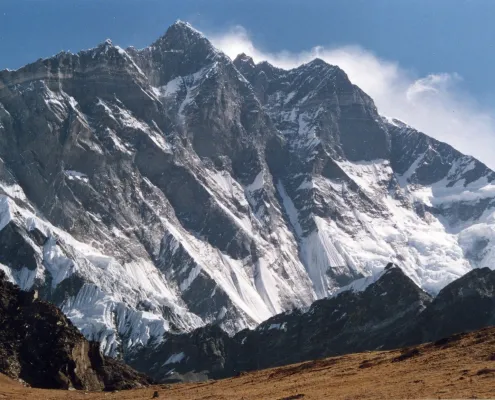
Lhotse, on the other hand, is famous in the world for its remarkable and dramatic south face. Standing at 8,516 meters (27,940 ft), the fourth highest peak on the globe lies south of Mount Everest and is connected with the South Col. It is the steepest face in the world that rises 3.2km within a 2.25km horizontal distance. Extremely difficult to climb, it’s been attempted by very few climbers to date.

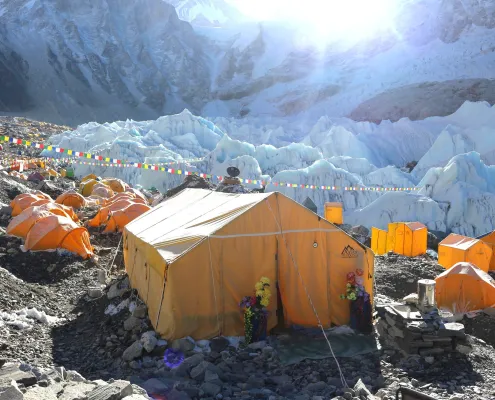
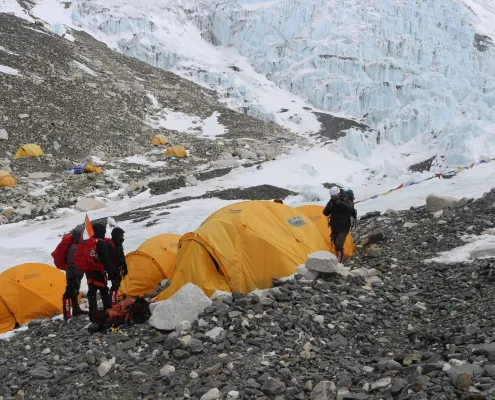
The journey to the top of the world starts with a trek from Lukla to Everest Base Camp, which takes around 10 days and covers a distance of approximately 65 kilometers. Pass through stunning landscapes and remote villages, gaining altitude and acclimatizing to the high altitude. Once at base camp, climbers spend several days acclimatizing to the altitude and preparing their gear for the climb. They then begin the ascent, making their way up the mountain in stages, typically stopping at different camps along the way.

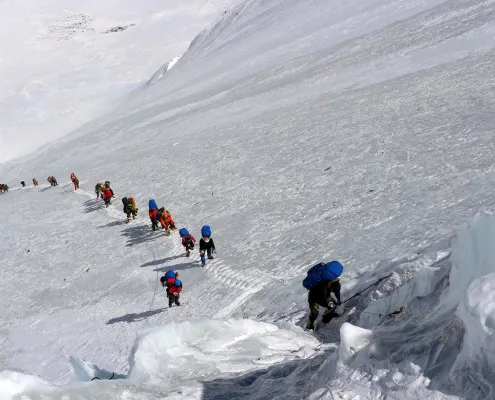
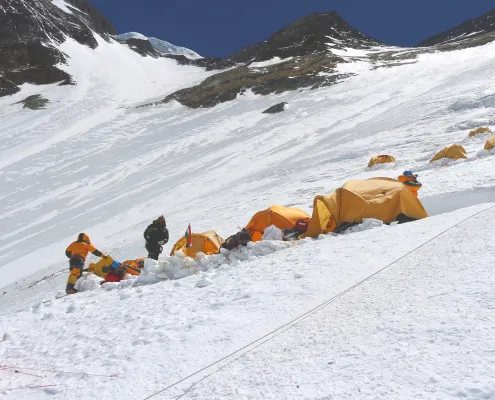
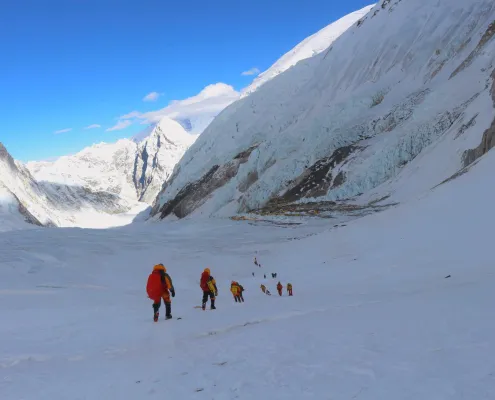
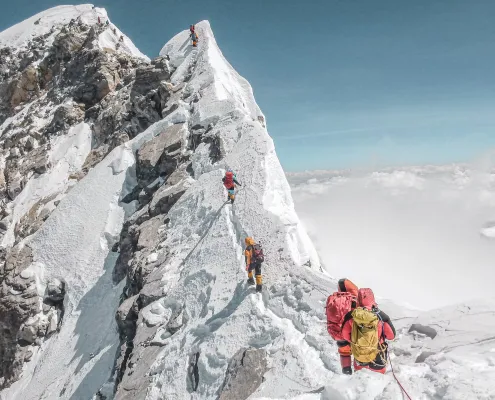
The climb to Everest is challenging, with steep ridges, icy slopes, and insane weather making it difficult to progress. Climbers must be skilled in mountaineering techniques, including the use of ice axes, crampons, and ropes. After reaching the summit of Everest, climbers descend to Camp 2 and then embark on the climb to Lhotse. The ascent to Lhotse is also pretty daunting. However, the skills and experience gained from climbing Everest prove invaluable in conquering Lhotse. After reaching the summit of Lhotse, climbers descend to base camp, where they can rest and recover before trekking back to Lukla and then Kathmandu.

The Everest Lhotse Dual Expedition is a test of physical and mental strength, endurance, and determination. It requires careful planning, preparation, and execution, and climbers must be prepared for the challenges they will face. However, for those who are up to the task, the experience of conquering two of the world’s highest peaks in a single expedition is truly unforgettable.

Note: Prices mentioned are applicable for Indian passport holders. For foreign passport holders, the cost may vary. Please connect with the Boots & Crampons team for clarity.
Note: An indemnity document will be shared before the trek. Signing it is mandatory.

SPECIAL MENTION

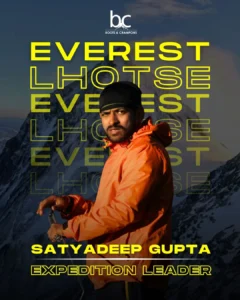
We are proud to introduce the leader of our Everest-Lhotse 2024 Expedition, Satyadeep Gupta. A marine engineer by profession and a hardcore mountaineer by passion, Satyadeep embodies the spirit of adventure and determination. With certifications in both Basic and Advanced Mountaineering Courses from NIM Uttarkashi, his expertise in the high-altitude wilderness is unparalleled.

Satyadeep’s remarkable journey includes scaling Kanchenjunga (8,586 meters) and Makalu (8,485 meters), and attempting a bold ascent on Annapurna without supplementary oxygen, among many other peak names under his belt. His resilience and dedication have led him through numerous expeditions across India, showcasing his leadership and mountaineering skills. This spring, he sets his sights on summiting Dhaulagiri, Everest, and Lhotse, pushing the boundaries of human endurance.
ITINERARY

Day 1: Arrival in Kathmandu & Transfer to Hotel (1,400 m)

Arrive in Nepal’s capital city. Meet your expedition team and settle into the hotel.

Day 2: Official Formalities & Sightseeing Around the City

Complete necessary permits and formalities. Enjoy a cultural tour of Kathmandu’s iconic sites like Boudhanath, Swayambhunath, and Durbar Square.

Day 3: Fly to Lukla and Trek to Phakding (2,460 m)

Take a scenic mountain flight to Lukla (2,840 m), then begin your trek with a pleasant walk to Phakding.

Day 4: Trek to Namche Bazar (3,440 m)

Cross several suspension bridges and enter Sagarmatha National Park. Climb steadily to the famous Sherpa town of Namche Bazar.

Day 5: Rest and Acclimatization

Acclimatize to the altitude with a short hike to Everest View Hotel or Khumjung village. Explore Namche’s shops and museums.

Day 6: Trek to Dibuche (3,820 m)

Trek past Tengboche Monastery through rhododendron forests to reach the peaceful village of Dibuche.

Day 7: Trek to Dingboche (4,410 m)

Ascend further along the Imja Khola valley with views of Ama Dablam, finally arriving at Dingboche.

Day 8: Trek to Lobuche (4,900 m)

Cross the Thukla Pass and visit memorials of climbers before reaching the windy settlement of Lobuche

Day 9: Trek to Everest Base Camp (5,380 m)

Pass Gorak Shep and follow the Khumbu Glacier to reach Everest Base Camp. Celebrate your arrival at the foot of the world’s highest mountain.

Day 10–13: Acclimatization, Prayer Ceremony & Technical Training

Training includes ladder practice, fixed lines, diagonal ascent/descent, traversing, duck walk, classical/flat-footing, and oxygen use. A vital phase to ensure safety and readiness.

Day 14–53: Climbing Period (Everest & Lhotse Summit

Climb through multiple camps with rotations and acclimatization. Summit push for Everest (8,848.86 m) and Lhotse (8,516 m) based on optimal weather windows and team readiness.

Day 54: Return to Everest Base Camp (5,380 m

After the summit, descend to Base Camp for rest, celebration, and debrief.

Day 55: Trek to Pheriche (4,280 m)

Begin descent through the Khumbu region, retracing your steps to Pheriche.

Day 56: Trek to Namche Bazar (3,440 m)

A familiar trail back to the heart of Sherpa culture.

Day 57: Trek to Lukla (2,840 m)

Final trek day. Enjoy your last views of the Himalayas and spend a relaxed evening in Lukla.

Day 58: Fly Back to Kathmandu (1,400 m

Short scenic flight returns you to Kathmandu. Time to rest and reflect.

Day 59: Free Day in Kathmandu

Optional day for celebration, souvenir shopping, or visiting local landmarks.

Day 60: Final Departure

Transfer to the airport for your journey home, carrying memories of a lifetime.

INCLUSIONS

  • 4-night accommodation in Kathmandu in a 3-star category hotel on single/twin sharing with included breakfast.
  • International and domestic Airport pick up and drop off
  • Domestic Flight Kathmandu – Lukla – Kathmandu
  • All necessary transportation costs for overall expedition crew for the entire expedition
  • Expedition Royalty and necessary permit fee
  • Khumbu Ice Fall Fee
  • Summit Rope Fixing Charge
  • Fully paid Government Liaison officer
  • Accident, Medical & Helicopter rescue insurance for involved Nepali staff
  • Garbage Management and Disposal Fee
  • 1 Everest Summiteer Sherpa Guide with his equipment allowance, daily wages, and caring bonus
  • 1 Lhotse Summiteer Sherpa Guide with his equipment allowance, daily wages, and caring bonus
  • Well-trained Base Camp Cook & Kitchen Helpers with their equipment, allowance, and daily wages
  • Porters up to the Base Camp & return from the Base Camp (70 Kg Per Member)
  • Dining Tent, Kitchen Tent, Communication Tent, Shower Tent, Toilet Tent, Tables and Chairs, Heater, etc.
  • Each Member will be provided with an individual Tent Mattress and Pillow at Base Camp
  • Dining Tent, Kitchen Tent, Toilet Tent, Member Tent (2 members per tent)
  • High Tent, Shovel, Rope, EPI Gas, Gas Burner (MSR Rector), High Food, etc.
  • Oxygen (4ltr.) 6 bottles for each Member and 4 bottles for Climbing Sherpa
  • Summit Mask & Regulator set for each Member and climbing Sherpa
  • In case of emergencies, sufficient backup oxygen & mask regulator available at Base Camp (Chargeable as per use)
  • In case of emergency, rescue, and replacement, we have extra climbing Sherpa on standby
  • Meals (Breakfast, Lunch & Dinner): Continental, Nepali, Indian and Chinese with hot drinks, Tea, and Coffee
  • Welcome and Farewell Dinner at Kathmandu
  • Electric Generator/ Solar systems.
  • Gas heating system in dining at base camp
  • Comfortable foam mattress
  • Company Duffel Bag
  • Mt. Everest and Lhotse summit certificate
  • Assistance in obtaining the permit and other documentation
  • Walkie-Talkie for climbing communication.
  • Satellite phone at base camp for emergency calls.
  • Internet access Wi-Fi is available to all climbers on our team at Base Camp ($50/gigabyte)
  • Dinning mess tent covered by Inner and carpeted.
  • Weather Forecast
  • First aid medical kit
  • Relaxing chair
  • Participants will get an exclusive discount on all Fast&Up products.

EXCLUSIONS

  • International flight tickets
  • Nepal Entry Visa fee (To be applied for 90 days)
  • Bank/wire transfer fees (if applicable)
  • Lunch & Dinner during your stay in Kathmandu
  • Personal Travel Insurance and High-Altitude Insurance (Accident, Medical and Emergency Rescue Evacuation)
  • Personal Trekking and Climbing Gears
  • Phone calls, internet, battery recharge, laundry, alcoholic beverages, specialty coffee or espresso drinks, etc.
  • Drone & Special filming permit
  • Everest: Summit Bonus for Climbing Sherpa INR 1,20,000.00
  • Lhotse: Summit Bonus for Climbing Sherpa INR 1,00,000.00
  • Tips for base camp staffs
  • Any other service cost which are not included in the Service Includes

PREPARATION GUIDE

  • Extensive high-altitude trekking or mountaineering experience is mandatory.
  • These are full-scale expeditions and require a fit body and a conscious, disciplined mind.
  • Participants must be training consistently for several months prior to the expedition.
  • Strong cardiovascular endurance is essential—regular long-distance jogging is expected.
  • Weight training and load carrying with a heavy backpack should be part of training.
  • Advanced leg strength is critical—squats are key to protecting knees and joints at altitude.
  • Core strength training (planks, crunches, stability exercises) is non-negotiable.
  • Mental resilience, patience, and respect for safety protocols are crucial.
  • Selection for expert-level expeditions is at the discretion of Boots & Crampons.

THINGS TO PACK

For Your Head:

  • Woolen warm cap to protect against cold winds
  • Balaclava for extra warmth
  • Bandana (can be used as a sweatband or to cover your face from dust)

For Your Feet:

  • 4-5 pairs of regular socks
  • 1-2 pair of thick woolen socks for warmth
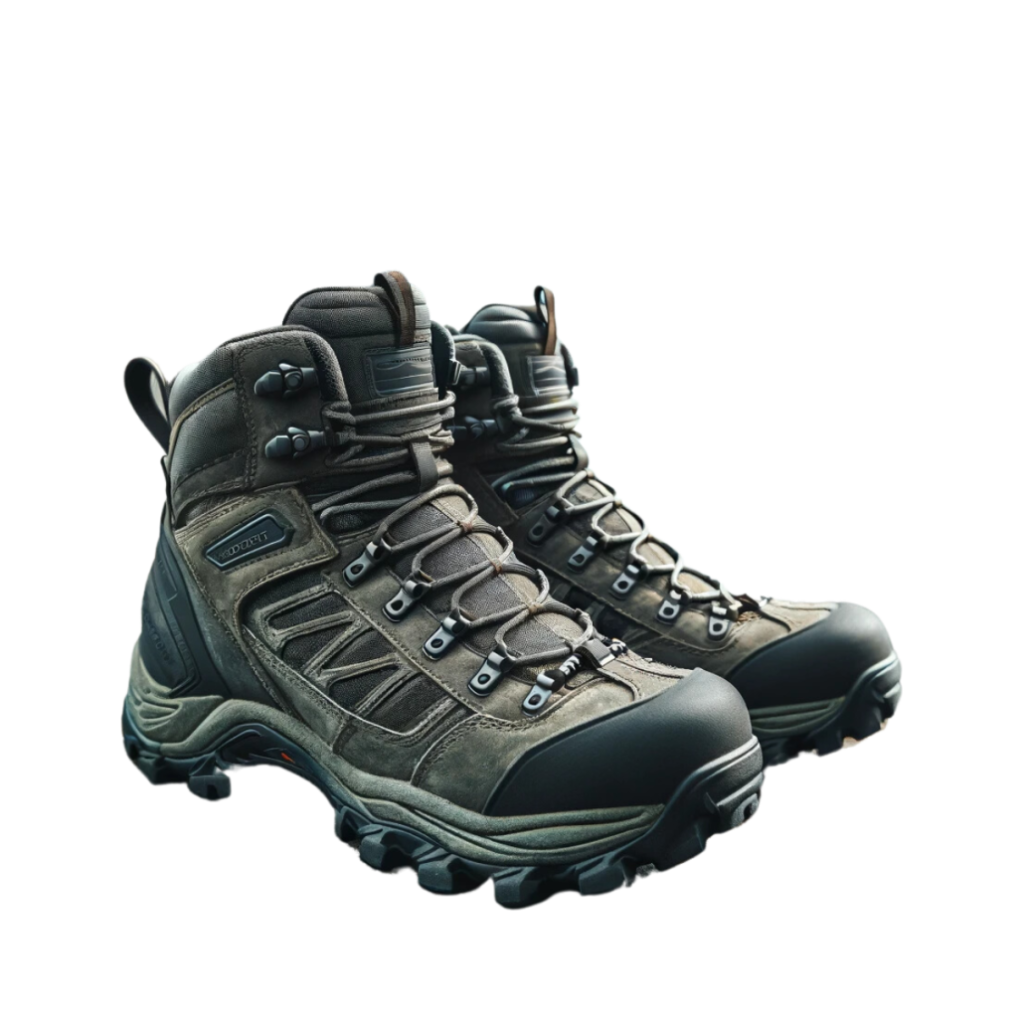
  • Trekking boots with ankle support and good grip
  • Extra pair of comfortable sneakers or shoes to wear at the Tea House

For Your Hands:

  • 1-2 pairs of warm inner gloves
  • 1 pair of waterproof gloves to keep your hands dry
  • Hand warmers (optional, but useful in very cold weather)
  • A pair of fleece gloves for extra insulation

Clothing: The Armor of the Adventurer:

  • 1 pair of thermal innerwear (top and bottom) for base warmth
  • 2 pairs of lightweight, quick-dry trekking pants
  • 1 pair of windproof and waterproof Gore-Tex trousers
  • 1 Gore-Tex or waterproof jacket for wind and rain protection
  • 1 poncho (optional) for sudden rain
  • 1-2 fleece jacket for light warmth
  • 3–4 full-sleeve dry-fit T-shirts for layering
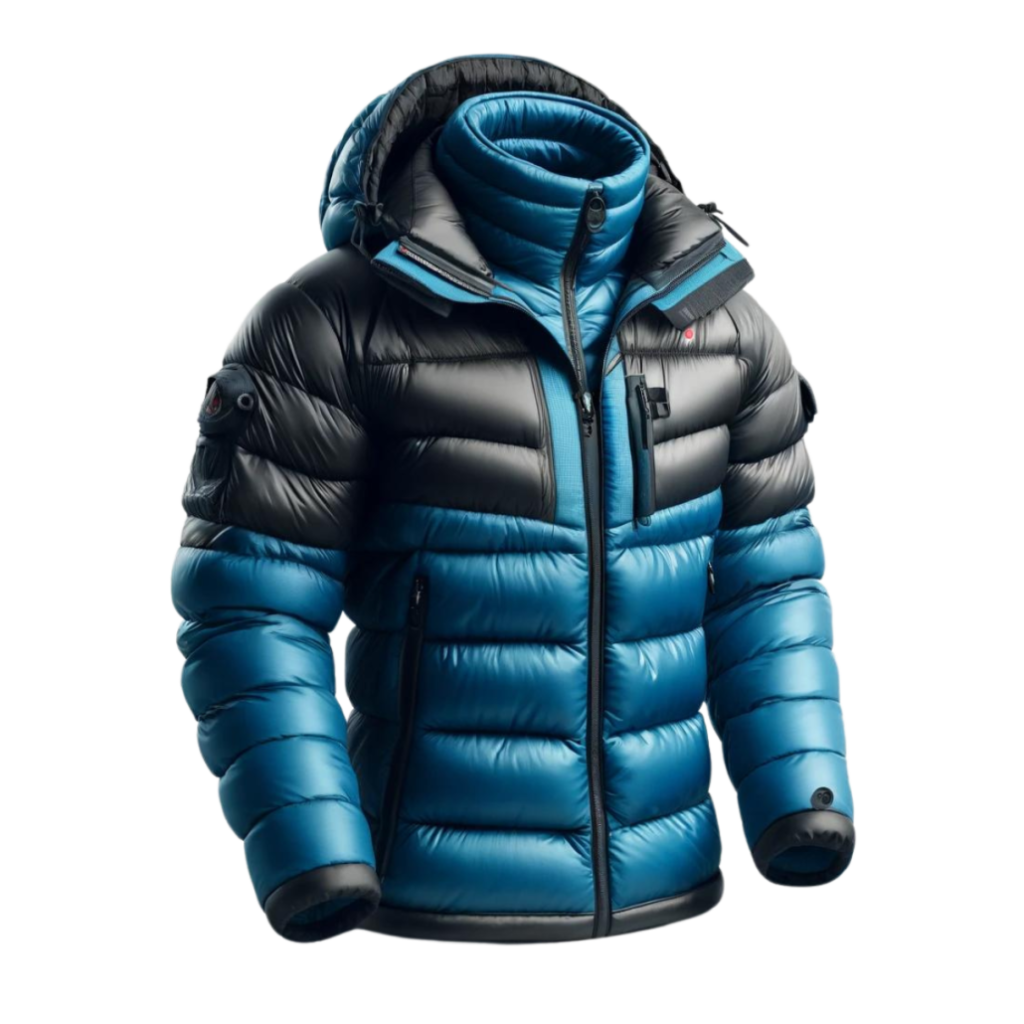
  • 1 heavy down or padded jacket (800-900 Fills) for extreme cold

Navigational & Survival Gear:

  • 20-30L Backpack (for water, snacks, fleece, etc.)
  • 80-90L Backpack / Duffle Bag
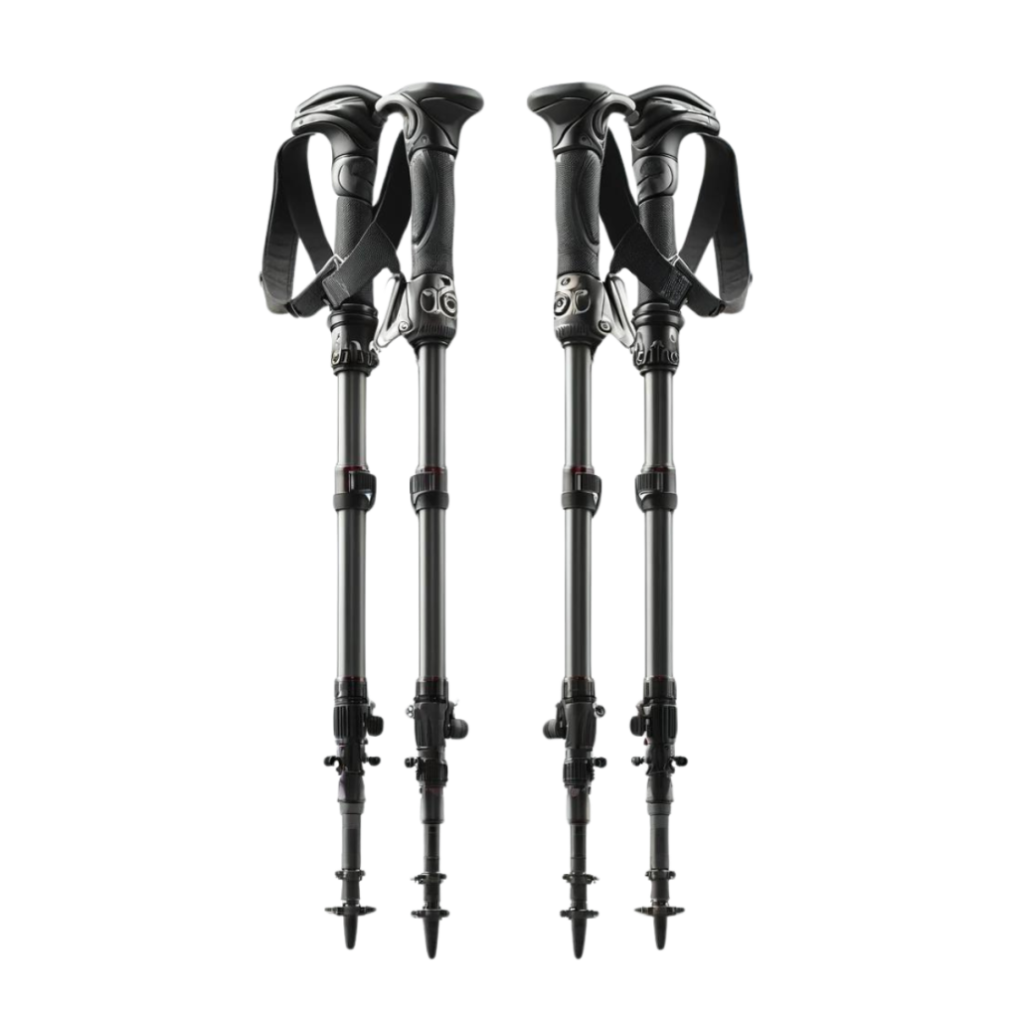
  • 1 trekking pole (or 2 for better balance)
  • Filter water bottle (2 bottles of 1 Ltrs)
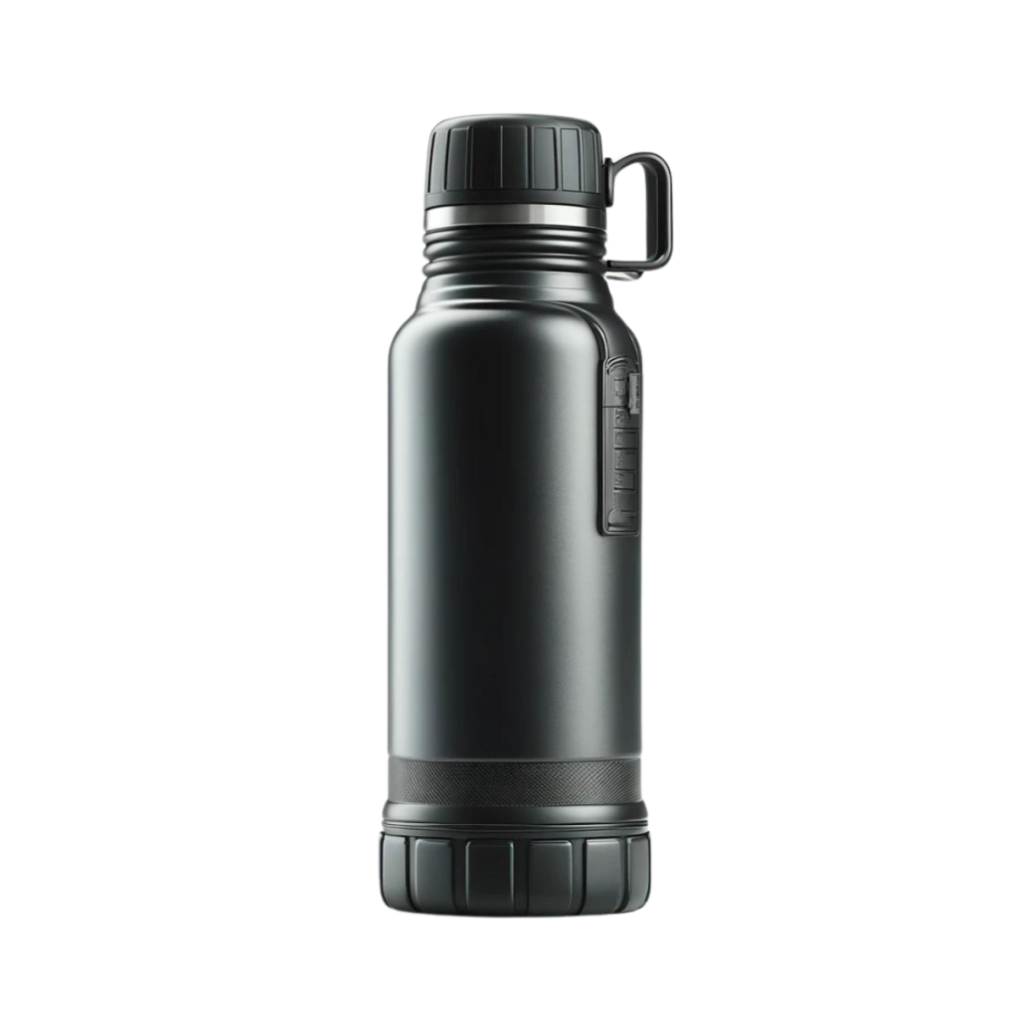
  • Thermos flask (for warm water or tea)

Personal Care Compact:

  • Toothbrush & toothpaste
  • Face towel, tissues & wet wipes
  • Hand sanitizer & lip balm
  • Moisturizer (optional but helpful in dry climate)
  • Personal medication kit
  • Sunscreen (SPF 50+)

Illumination & Eye Protection:

  • Headlamp with extra batteries – a must-have for night treks and early morning starts
  • Sunglasses – Polarized, Category 4 with 100% UV protection and a wrap-around fit to guard your eyes from harsh sun glare and snowy reflections. Carry a backup pair just in case.

Soul Nourishment:

  • Camera – capture the beauty and magic of the mountains
  • Music player or earphones – enjoy peaceful moments with your favorite tunes
  • Books or playing cards – perfect for downtime and relaxing at camp
 

Frequently asked questions

What kind of terrain does the expedition involve?

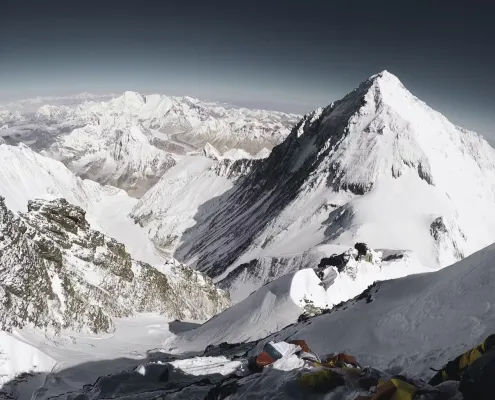
The dual expedition combines rocky trails, moraine fields, glacier travel, icefalls, and high-altitude snow and ice slopes. Key sections include the Khumbu Icefall, Western Cwm, Lhotse Face, and South Col. Climbers navigate steep ridges, crevasses, and exposed icy slopes using ropes, ladders, crampons, and ice axes.

What are the altitudes of Everest and Lhotse?

Mount Everest: 8,848 m (29,029 ft) – the highest peak in the world. Mount Lhotse: 8,516 m (27,940 ft) – the fourth-highest peak in the world. Extreme altitude is the primary challenge, requiring careful acclimatization and supplemental oxygen above 7,500 m.

How difficult is the dual expedition?

This is a very high-difficulty expedition. While no rock climbing is required, the combination of ice/snow travel, altitude, technical sections, and long summit days demands excellent physical conditioning, mountaineering skills, and mental resilience.

What is the best season to attempt Everest and Lhotse?

Pre-monsoon (Spring): Late April to May – most popular due to more stable weather. Post-monsoon (Autumn): Late September to October – less crowded but colder and windier.

How long is the expedition and how many days are spent at altitude?

Typical itineraries last 6–9 weeks, including: Trek to Everest Base Camp (~10–14 days) Multiple rotations between Base Camp and higher camps for acclimatization Summit push for Everest (~5–7 days) Summit push for Lhotse (~3–5 days from South Col) Climbers spend weeks above 5,000–7,500 m, making careful acclimatization essential.

What level of fitness and experience is required?

Participants should have: Excellent cardiovascular endurance Strong legs, core, and upper-body strength Prior high-altitude trekking or climbing experience (above 6,000 m) Familiarity with ice climbing and the use of crampons, ice axes, and ropes

What technical gear is required?

Essential equipment includes: Crampons and ice axes Harness, carabiners, ascenders, and rope equipment Down suit and high-altitude clothing layers Helmet and gloves Supplemental oxygen system (required above 7,500 m)

Is the water safe for drinking on the expedition?

Water is available at Base Camp and higher camps, typically from melted snow or local streams. All water must be purified, filtered, or boiled before drinking.

How should I prepare before the expedition?

Preparation should focus on: Cardiovascular training (running, hiking, cycling) Strength training (legs, core, back, shoulders) Long-duration hikes with a loaded backpack High-altitude trekking or climbing experience Mental preparation for extreme conditions

How will coordination, briefings, and queries be handled?

A dedicated WhatsApp group will be created post-registration for preparation and coordination queries. Zoom briefing sessions will be conducted to: Walk through the expedition flow Explain technical expectations Clarify individual doubts Each session will include a Q&A segment.

Ama Dablam is a climb of precision, patience, and discipline.
Proper preparation and honest self-assessment are non-negotiable.

Participants are strongly advised to review the Preparation Guide carefully and ensure they meet the experience and fitness expectations before registering.