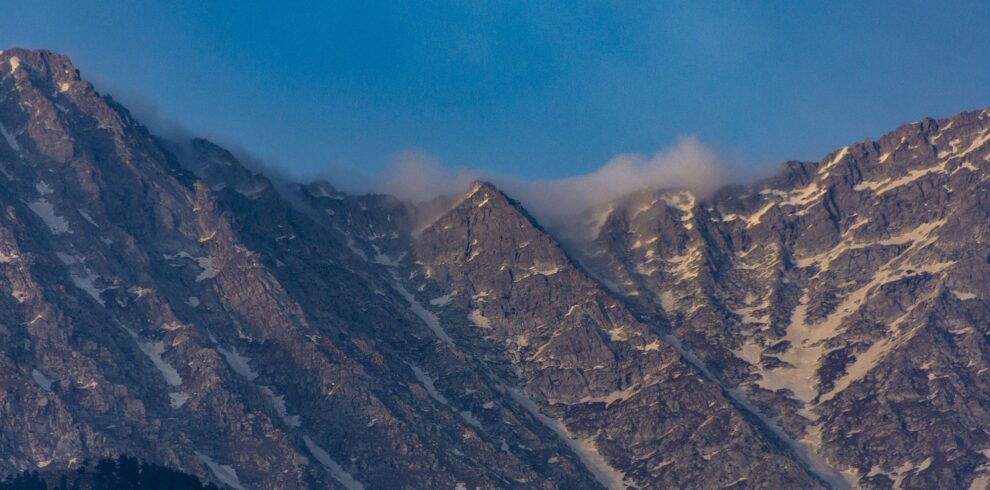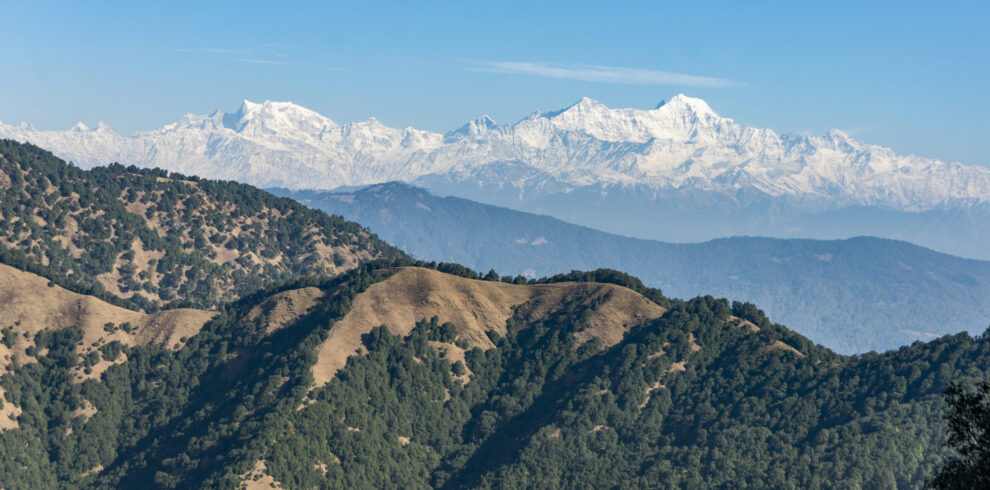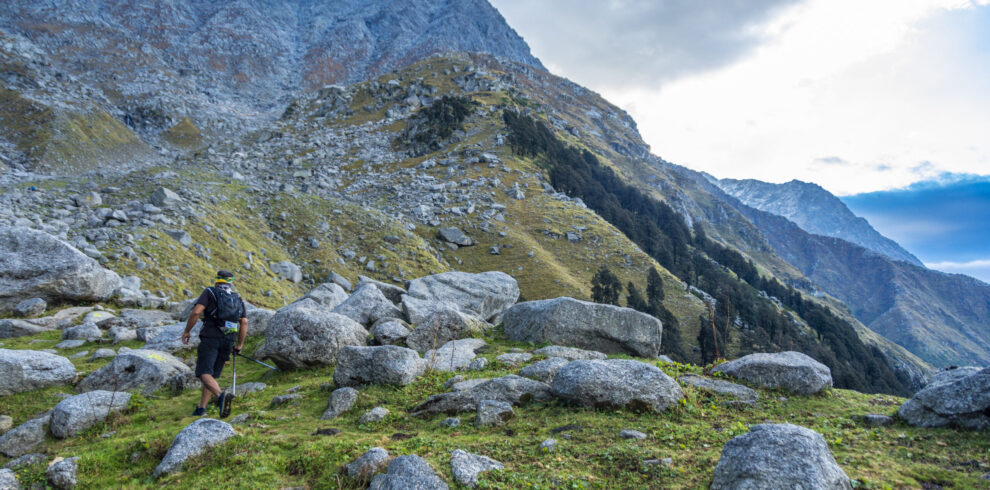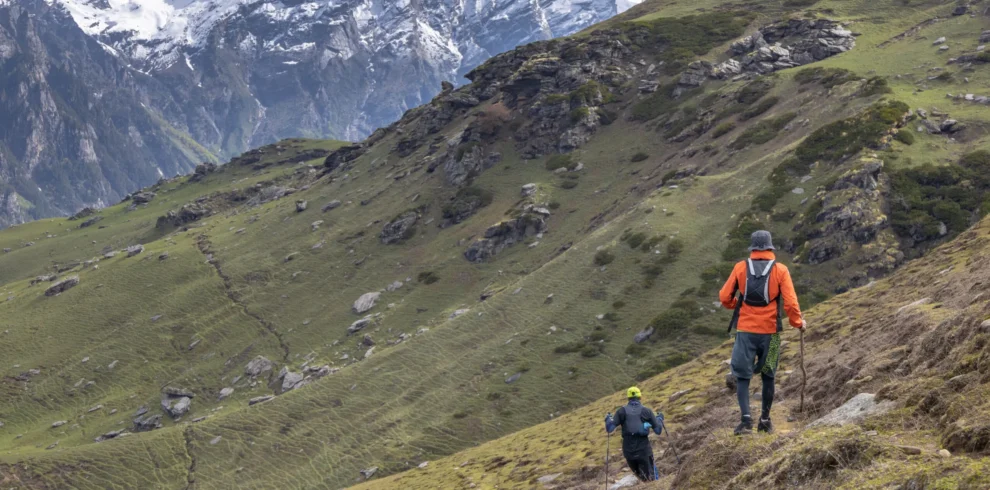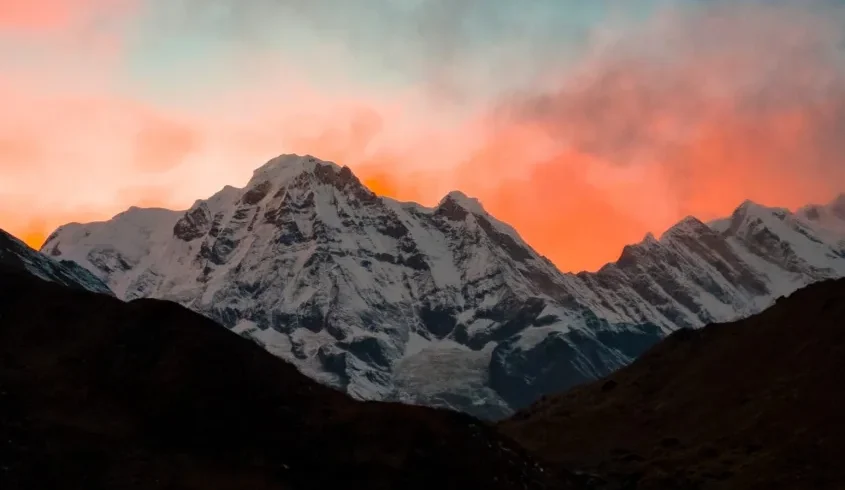
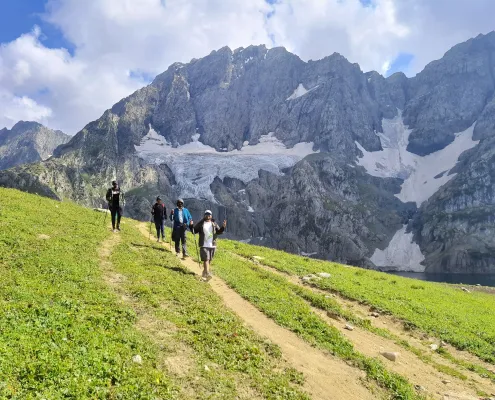
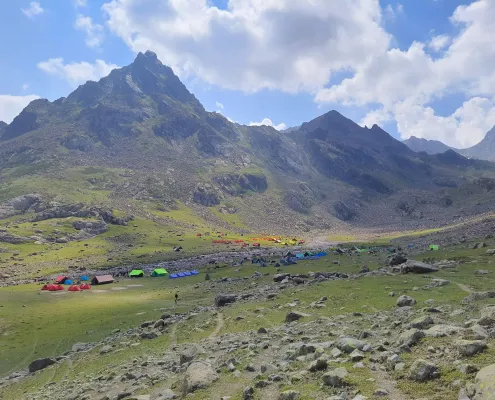
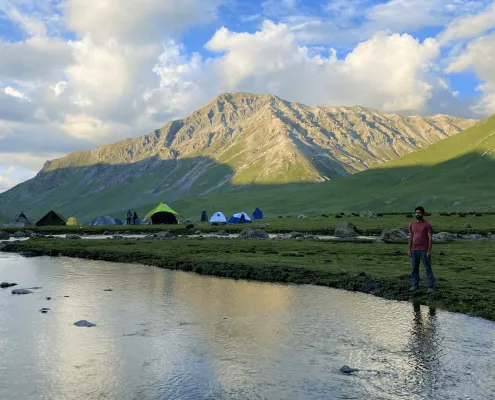
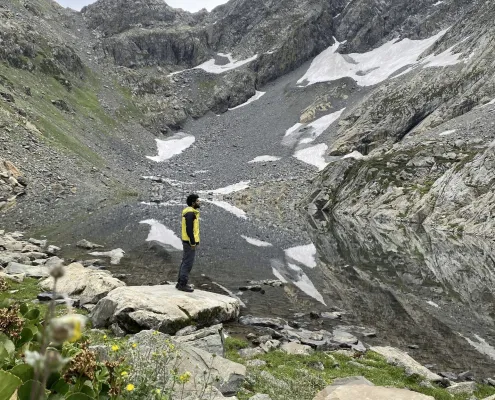
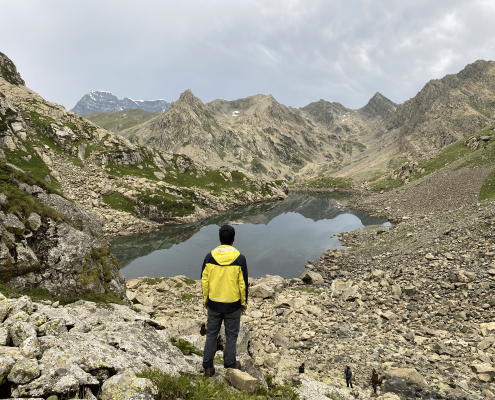
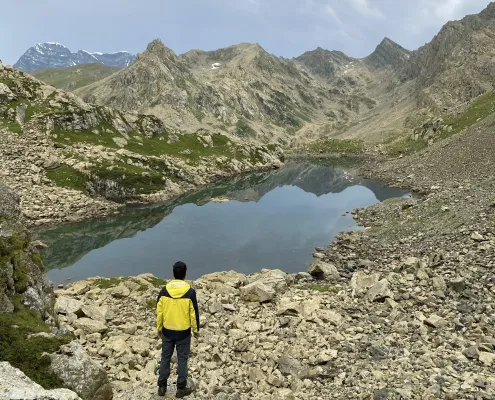
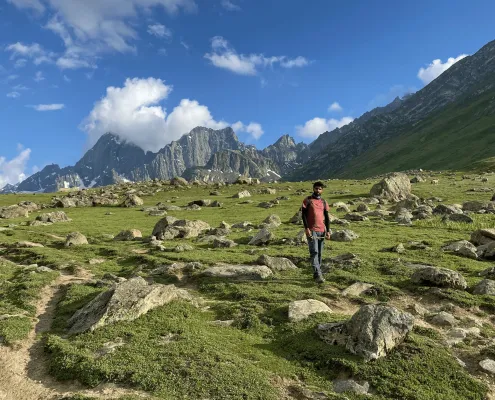
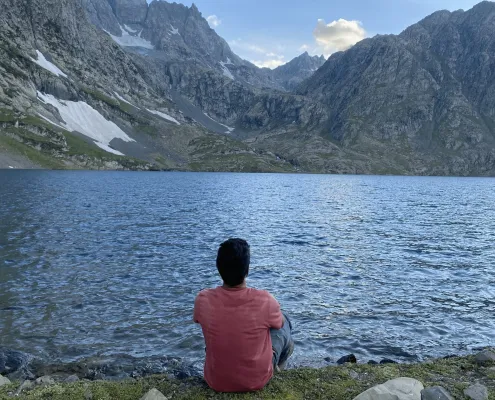
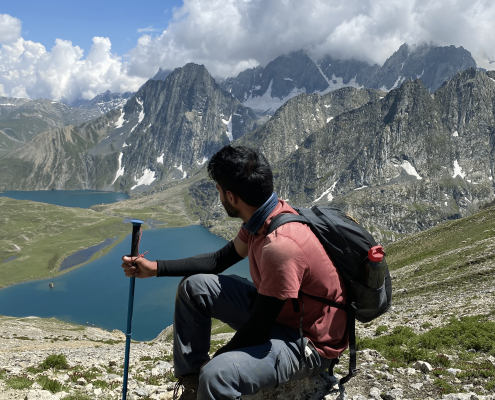
The Kashmir Great Lakes Trek is often described as one of the most beautiful treks in India — and rightly so. This journey takes you deep into the heart of Kashmir’s alpine wilderness, linking a series of high-altitude glacial lakes set against towering Himalayan peaks.
Starting from lush green meadows, the trail gradually climbs through rolling grasslands, shepherd settlements, and rugged mountain passes. Each day reveals a new lake — Vishansar, Kishansar, Gadsar, Satsar, and Gangbal — each with its own personality, colors, and reflections. The trek reaches altitudes of around 4,100 m, with multiple high passes that add both challenge and excitement.
The adrenaline moments come during long pass crossings, sudden weather shifts, and extended trekking days across exposed terrain. Cold winds, thin air, and steep climbs test stamina, while the visual rewards make every effort worthwhile.
This trek is ideal for trekkers who want a scenic yet physically demanding Himalayan experience. Kashmir Great Lakes is not just a walk through meadows — it’s a journey through one of the most breathtaking high-altitude landscapes in the country.
Note: Prices mentioned are applicable for Indian passport holders. For foreign passport holders, the cost may vary. Please connect with the Boots & Crampons team for clarity.
Note: An indemnity document will be shared before the trek. Signing it is mandatory.
Drive Time: ~3 hours
We begin our journey with a scenic drive from Srinagar to Shitkadi in Sonamarg, traveling through charming Kashmiri villages, lush farmlands, and alongside the sparkling Sindh River. Upon arrival, we check into our campsite and spend time acclimatizing to the altitude. In the afternoon, the trek leader conducts a detailed trek briefing covering route details, safety guidelines, and expectations for the days ahead. The evening is relaxed, featuring a welcome drink, light snacks, and dinner at the campsite amidst stunning mountain surroundings. Overnight stay in tents at Sonamarg.
Trek Distance: ~9 km | Trek Time: ~6.5 hours
After an early breakfast, we begin our trek toward Nichnai. The trail climbs gradually through pine forests and open meadows, crossing several mountain streams along the way. We take a break at the Tabletop area, a wide meadow offering panoramic views of surrounding peaks and valleys. As we gain altitude, the landscape opens into vast alpine terrain. By late afternoon, we reach Nichnai campsite, set in a quiet high-altitude meadow. Overnight stay in tents at Nichnai.
Trek Distance: ~13 km | Trek Time: ~5.5 hours
Today’s trek begins with a climb to Nichnai Pass, followed by a descent into a broad meadow carpeted with wildflowers during the summer months. The trail leads us into the picturesque Vishansar Valley, home to the stunning Vishansar Lake. Known for its crystal-clear waters and trout fish, the lake is surrounded by towering mountain ridges. We set up camp near the lake and spend the evening enjoying the serene surroundings. Overnight stay in tents near Vishansar Lake.
Altitude: 3,650m to 3,810m
Trek Distance: ~16 km | Trek Time: ~8 hours
This is one of the most challenging and rewarding days of the trek. We ascend toward Gadsar Pass, the highest point of the journey, offering breathtaking views of Vishansar and Kishansar Lakes from above. From the pass, we descend into the beautiful Gadsar Meadow, known for its vibrant wildflowers and expansive landscape. We camp near Gadsar Lake, which is locally believed to have healing properties. Overnight stay in tents at Gadsar.
Trek Distance: ~12 km | Trek Time: ~5 hours
After breakfast, we trek from Gadsar toward Satsar Meadow. The trail passes a series of small alpine lakes scattered across the landscape, creating a picturesque and tranquil atmosphere. We descend slightly and arrive at Satsar, a vast meadow dotted with seven interconnected lakes and flowing streams. Our campsite is set near a serene river stream, making for a peaceful evening in the mountains. Overnight stay in tents at Satsar.
Trek Distance: ~9 km | Trek Time: ~5 hours
Today’s trek takes us toward Zajibal Pass, from where we get our first magnificent views of Gangabal and Nundkol Lakes. The descent leads us to Nundkol Lake, a pristine glacial lake nestled at the base of Mount Harmukh. Known for its calm waters and trout fish, the lake offers a serene campsite surrounded by dramatic mountain scenery. Overnight stay in tents near Nundkol Lake.
Altitude: 3,587m to 2,271m
Trek Distance: ~13 km | Trek Time: ~6.5 hours
We begin our final descent from Gangabal toward Naranag, passing through the expansive Trunkhol meadow and over Butsheri Top. The trail gradually descends through lush landscapes and forested sections before reaching Naranag village, marking the end of the trek. From Naranag, we drive back to Srinagar, where we check into our hotel and relax after the journey. Overnight stay in Srinagar.
Accommodation
Meals
Trek Leadership & Support Staff
Equipment & Safety
Permits & Fees
Additional Benefits
Travel & Transportation Outside Trek Itinerary
Personal Equipment & Gear
Personal Expenses
Insurance & Medical
Miscellaneous
Please read carefully before registering
At Boots & Crampons, preparation is not optional. The level of training required depends on the duration, altitude, and technical difficulty of the trek or expedition you are signing up for.
Proper preparation increases not just your chances of success, but also your safety and enjoyment in the mountains.

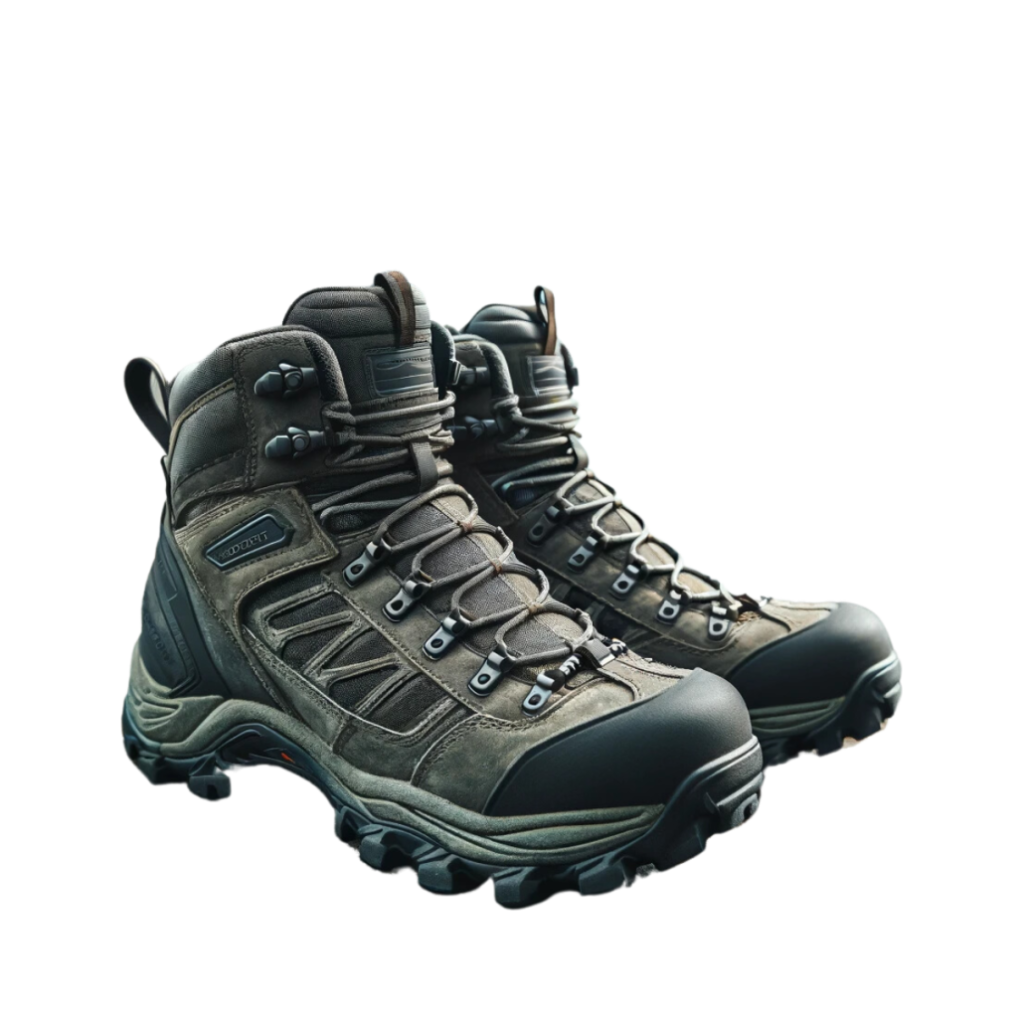
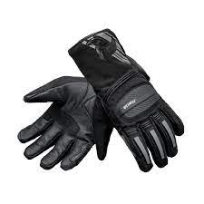
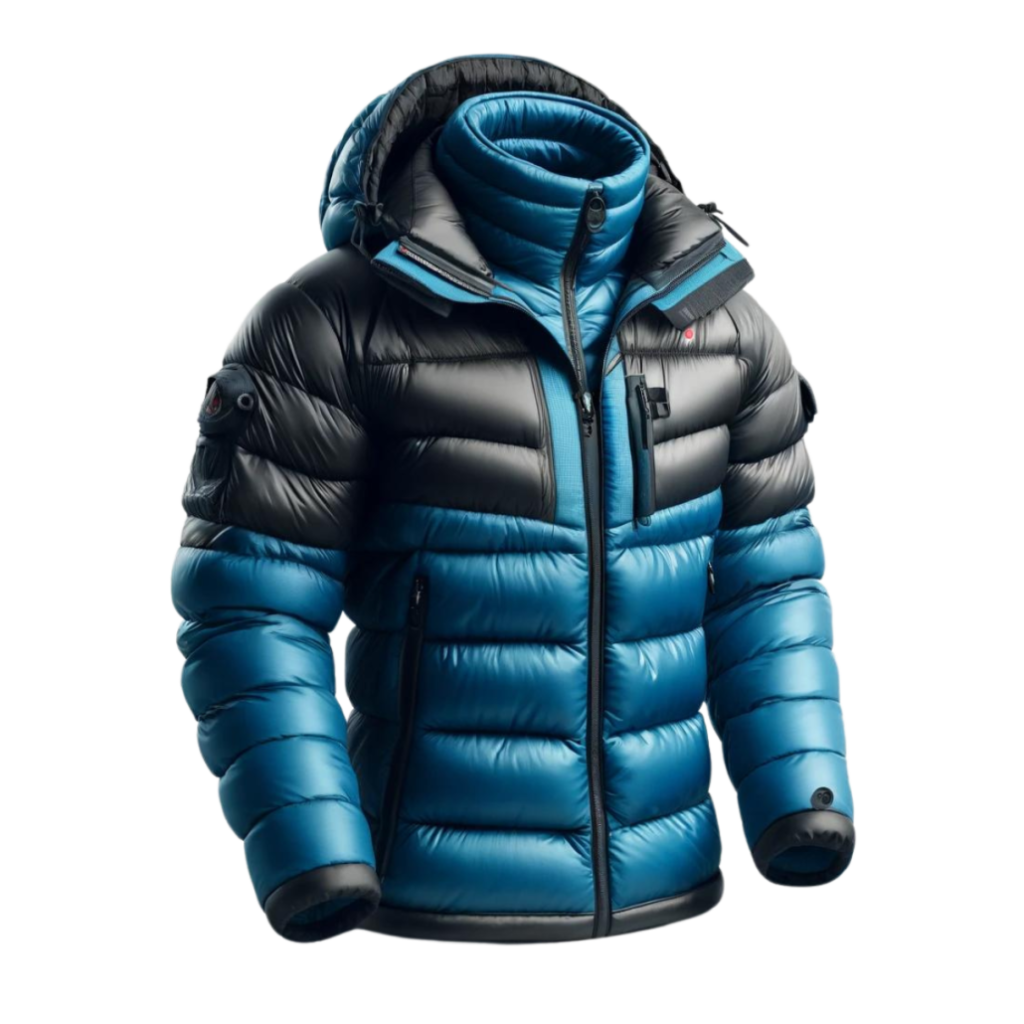
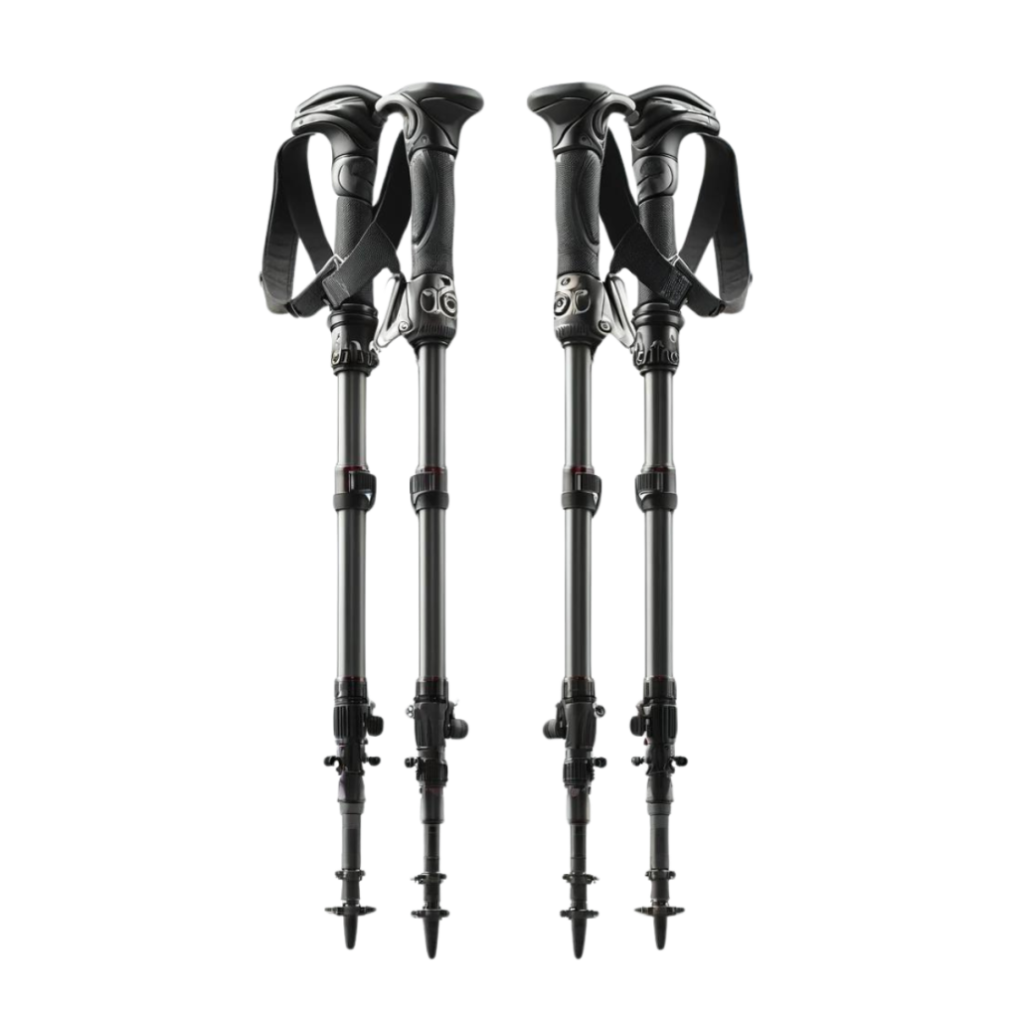
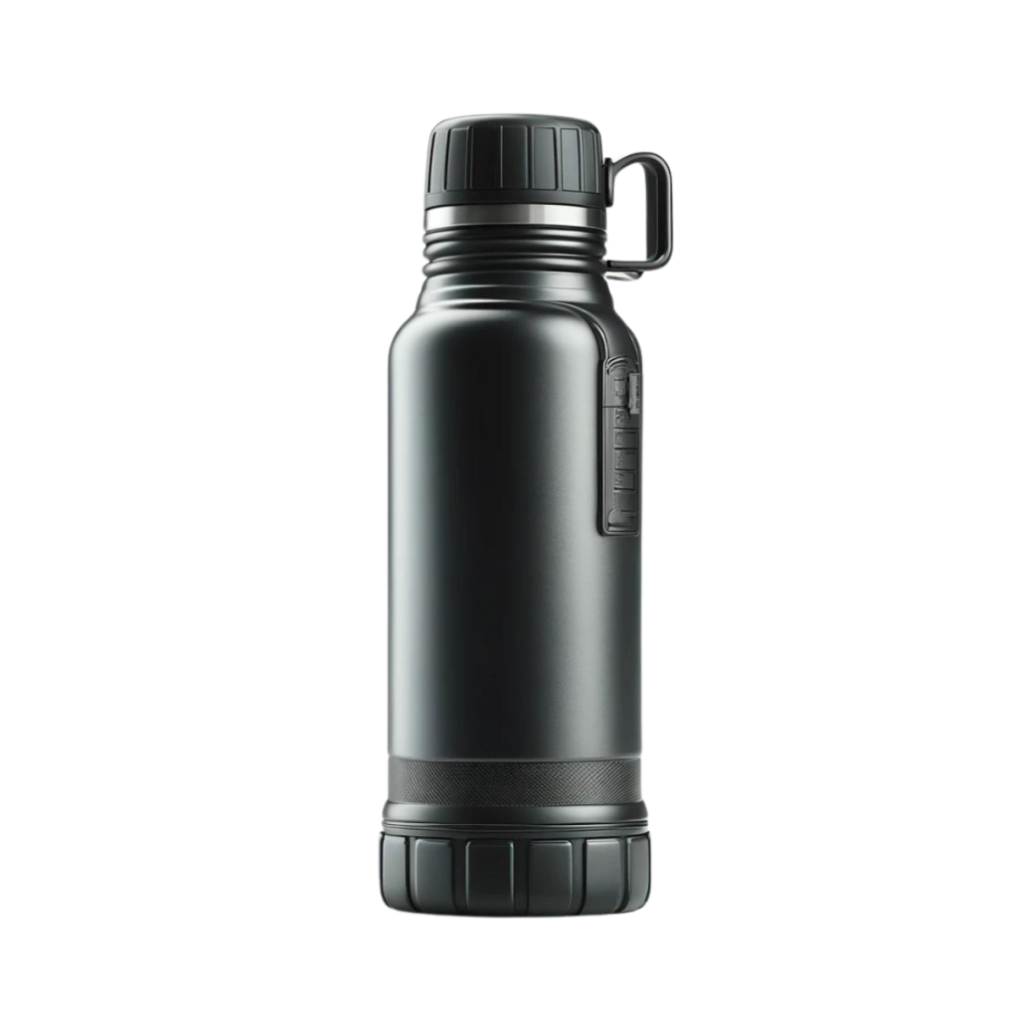


*Rental Gears Required*
Visit our Contracted Business Partner website – Summit Yak
for details on trek-specific rental gears and rates.
This trek features a mix of well-defined mountain trails, lush meadows, river crossings, rocky sections, and glacial moraines. Some trail segments can be steep with loose rocks, especially near passes.
The highest point is Gadsar Pass at approximately 4,200 m. Most camps and scenic lakes lie between 3,000–4,000 m, making acclimatization important.
It is a moderate to challenging trek, due to:
This trek is suitable for fit trekkers with some prior trekking experience.
The trek usually takes 7–9 days depending on the itinerary and route variations. Daily walks generally range between 5–7+ hours on varied terrain.
The best trekking window is:
Typical itineraries are 3–5 days depending on the season and start point.
You should be:
➡️ Detailed fitness expectations and training guidelines are in the Preparation Guide.
Essentials include:
➡️ A full packing checklist is covered in the Preparation Guide.
Water is obtained from glacial streams and snow melt. The expedition team treats water, but climbers should carry personal purification tablets or filer water bottles as backup
The Kashmir Great Lakes Trek is one of the most scenic trails in the Indian Himalayas — rich in alpine lakes, towering peaks, and diverse landscapes. Good preparation and pacing make this trek a rewarding experience for fit and enthusiastic trekkers.
Boots & Crampons staff of highly trained professional guides is here to make your journey as safe and secure as possible. All of our trekking guides are medically certified and have abundant experience using their training in mountainous environments.
Our safety standards are based on the experiences of our founder, managing risk in some of the world’s most hostile environments.
While we advise our trekkers to carry light, our guides are always prepared with:
Be it queries about the trek, customization or anything else, our team is eager to assist you.
Need your questions answered right away?
Get in touch with us at
Discover similar treks from Boots & Crampons that quench your thirst for adventure.

Discover similar treks from Boots & Crampons that quench your thirst for adventure.