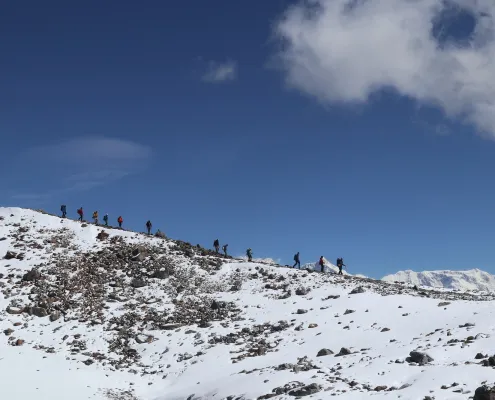
MT MAKALU

8463 Meters | Nepal

DIFFICULTY

Hard

DURATION

45 Days

BEST TIME

April – May

COST

On Enquiry

overview

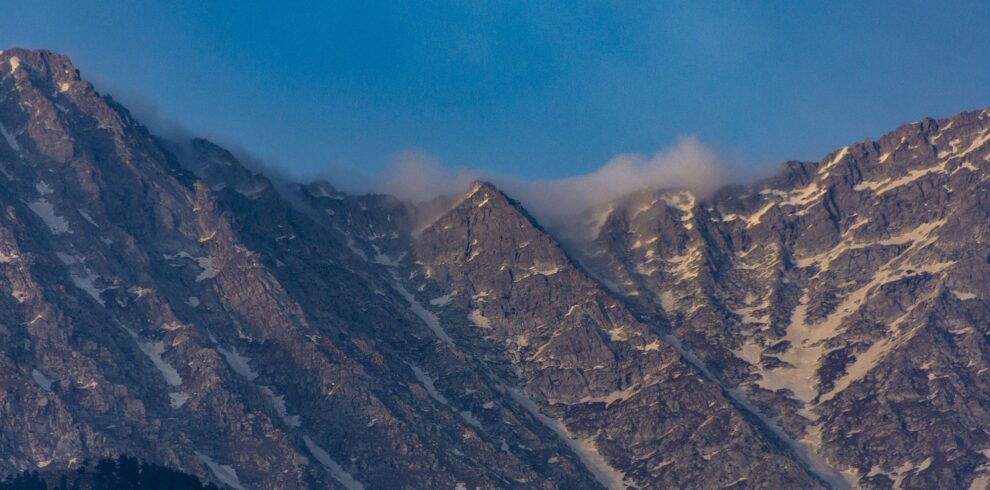
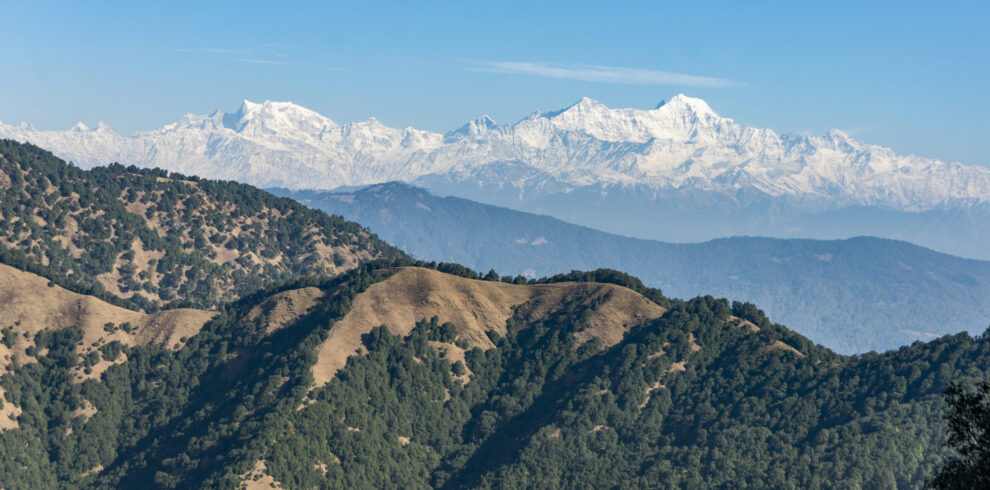
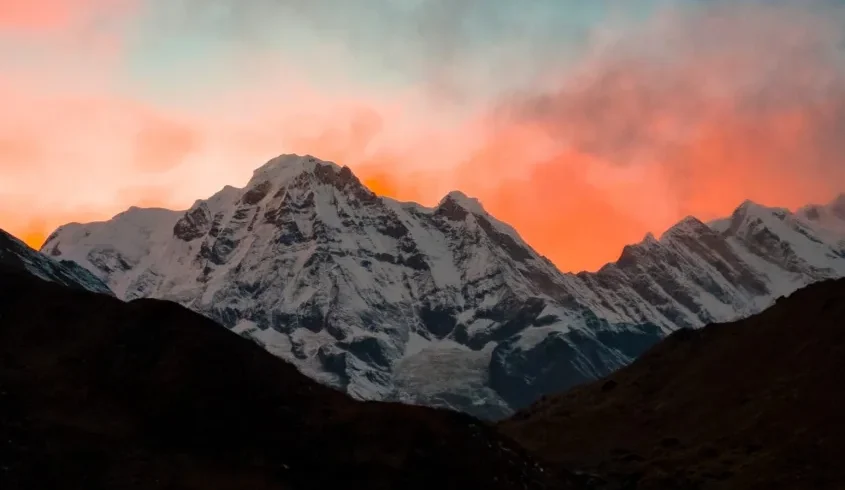
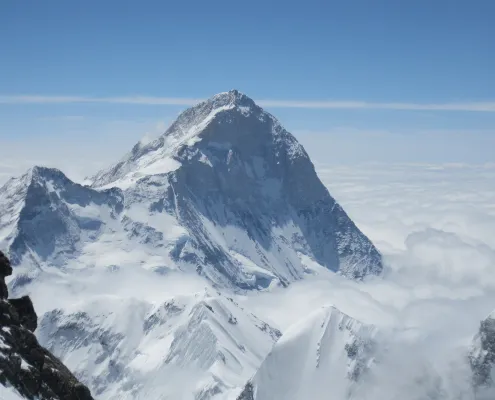
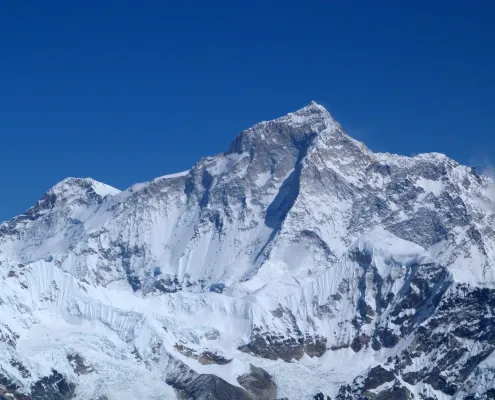
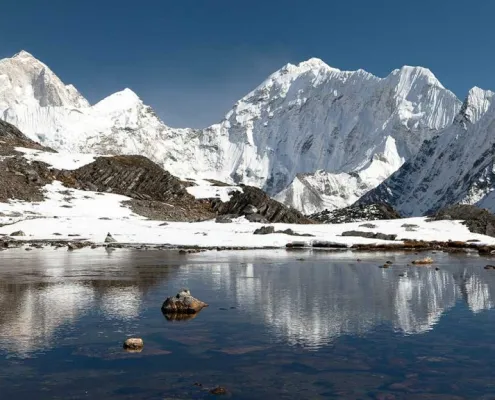
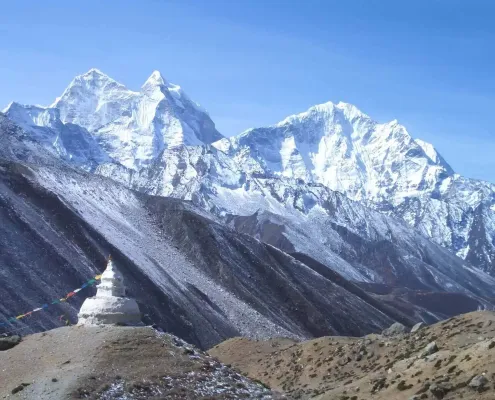
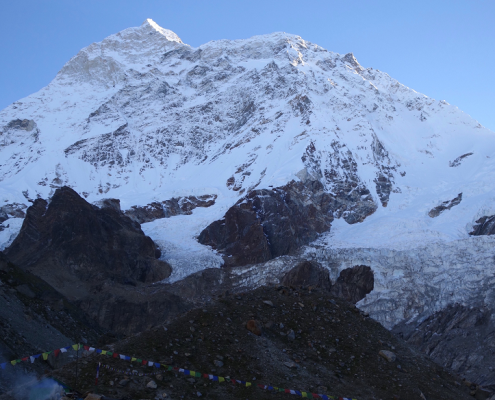
The expedition to Mt Makalu is one of the most challenging and rewarding expeditions in the Himalayas. Mt Makalu is the fifth highest mountain in the world, standing at 8,485 meters (27,838 ft) above sea level. Located in the Mahalangur Himalayas in the eastern part of Nepal, Makalu is known for its steep ridges and snow-covered peaks. It typically takes several weeks to reach the summit, and the climbers must deal with extreme weather conditions, high altitude, and technical challenges.

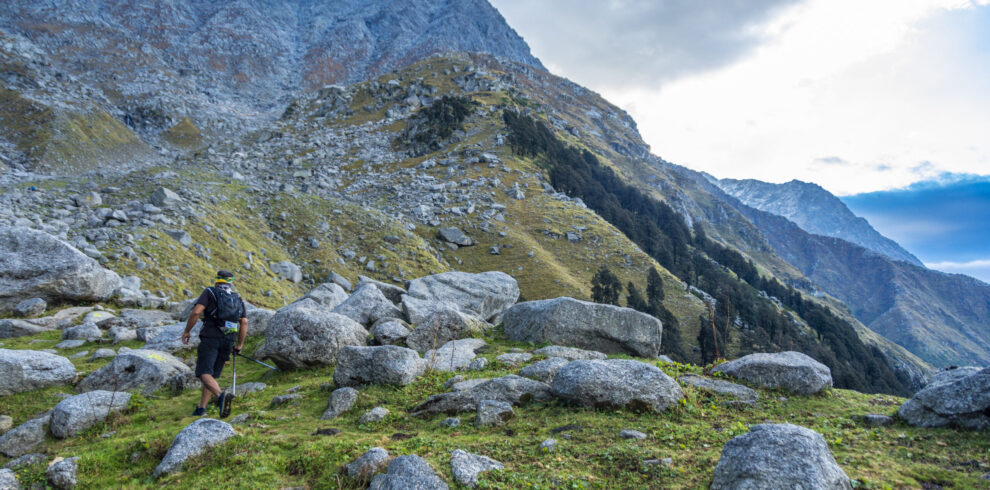
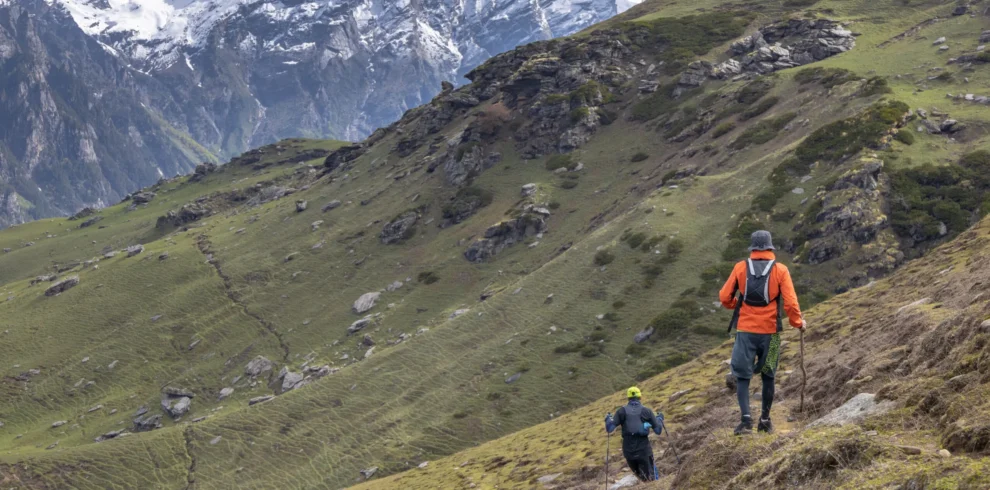
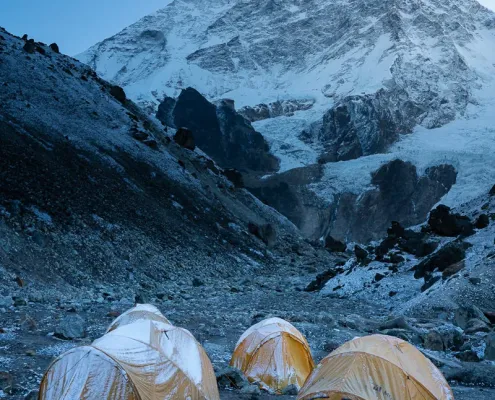
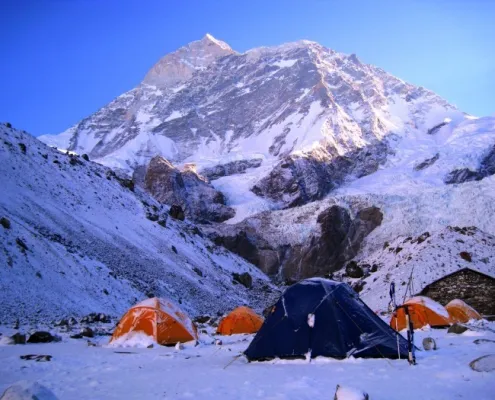
The trek begins after flying to Tumlingtar and a short drive ahead. For over a week, you pass through remote villages and dense forests of Nepal, covering a distance of 64km before reaching the base camp. Once at base camp, climbers spend several days acclimatizing to the altitude and preparing their gear for the climb. They then begin the ascent, making their way up the mountain in stages, typically stopping at different camps along the way.

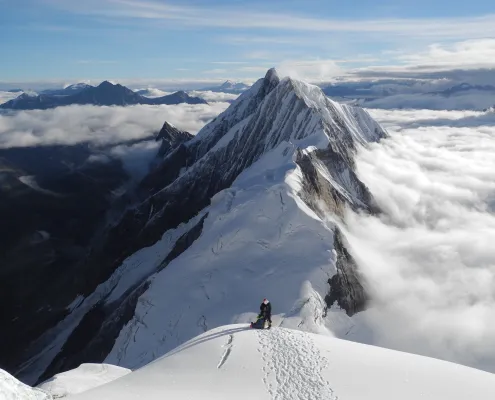
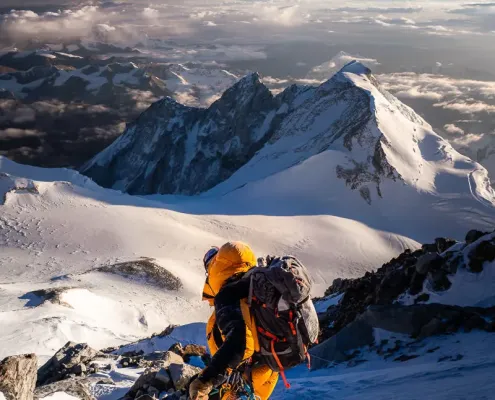
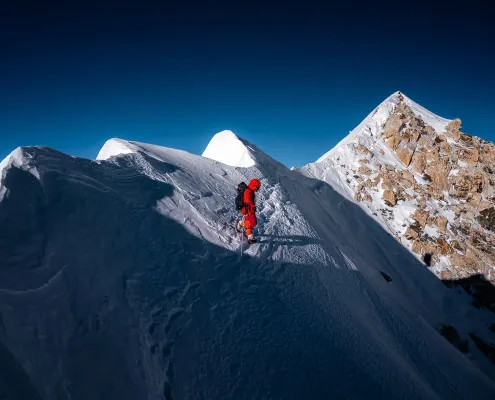
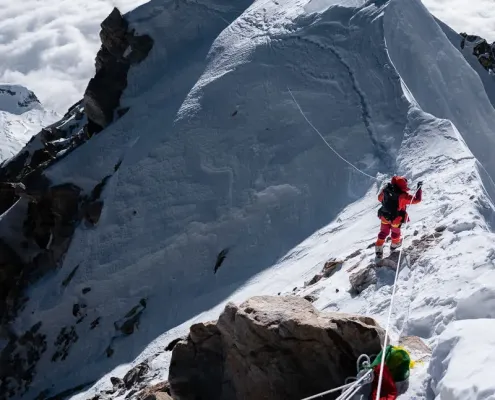
The climb itself is challenging, with steep ridges, icy slopes, and high altitude making it difficult to progress. Climbers must be skilled in mountaineering techniques, including the use of ice axes, crampons, and ropes. One of the most challenging sections of the climb is the “Knife-Edge,” a steep ridge that requires climbers to traverse a narrow path with sheer drops on either side. This section is particularly dangerous, and climbers must be skilled and cautious to navigate it safely.

After several weeks of climbing, the team reaches the summit of Mt Makalu, where they are rewarded with breathtaking views of the Himalayas and a sense of accomplishment for having conquered one of the most challenging peaks in the world. Ultimately, the expedition to Mt Makalu is an incredible adventure that requires strength, endurance, and determination. It is a test of both physical and mental abilities, and those who undertake it must be prepared for the challenges they will face. However, for those who are up to the task, the experience is truly unforgettable.

ITINERARY

Day 1: Arrival in Kathmandu & Transfer to Hotel (1400m)

Day 2: Official formalities & sightseeing around the city

Day 3: Fly to Tumlingtar and Drive to Num (1560m)

Day 4: Commence trek to Sheduwa (1500m)

Day 5: Trek to Tashi Gaun (2100m)

Day 6: Rest and Acclimatization

Day 7: Trek to Khongma (3500)

Day 8: Trek to Dobato (3420m)

Day 9: Trek to Yangle Kharka (3557m)

Day 10: Trek to Makalu Base Camp (4870m

Day 11-14: Activities at Makalu BC such as Prayer ceremony, Preparation, and Training

Day 15-36: Climbing period (8463m)

Day 37: Trek back to lower Base Camp (4870m)

Day 38: Trek Back to Yangle Kharka

Day 39: Trek Back to Khongma

Day 40: Trek Back to Seduwa

Day 41: Trek Back to Num

Day 42: Trek Back to Khadbari

Day 43: Fly back to Kathmandu

Day 44: Free day in Kathmandu

Day 45: Final Departure
INCLUSIONS

  • Must have climbed a 7000-meter peak.
  • Weight training the body. Walk uphill or on stairs steps with a weighted backpack.
  • Strength training for the lower body and core. Do planks, crunches, and cycle.
  • Climbing Mt Makalu requires a fit body and a conscious mind. One needs to be exercising regularly for the past 3-4 months.
  • Any high-altitude trek requires you to build a good amount of cardiovascular endurance. Jogging is the best exercise to increase your stamina.
  • You need strong legs to successfully finish a high-altitude trek. Squats are the best way to build leg strength quickly. Especially your thighs, glutes, and knees.
  • For detailed advice and coordination, we’ll have a WhatsApp group.

EXCLUSIONS

  • International flight tickets
  • Nepal Entry Visa fee (To be applied for 90 days)
  • Bank/wire transfer fees (if applicable)
  • Lunch & Dinner during your stay in Kathmandu
  • Personal Travel Insurance and High-Altitude Insurance (Accident, Medical and Emergency Rescue Evacuation)
  • Personal Trekking and Climbing Gears
  • Phone calls, internet, battery recharge, laundry, alcoholic beverages, specialty coffee or espresso drinks, etc.
  • Drone & Special filming permit
  • Summit Bonus for Climbing Sherpa INR1,00,000.00
  • Tips for base camp staffs
  • Any other service cost which are not included in he Cost Includes

PREPARATION GUIDE

  • Must have climbed a 7000-meter peak.
  • Weight training the body. Walk uphill or on stairs steps with a weighted backpack.
  • Strength training for the lower body and core. Do planks, crunches, and cycle.
  • Climbing Mt Makalu requires a fit body and a conscious mind. One needs to be exercising regularly for the past 3-4 months.
  • Any high-altitude trek requires you to build a good amount of cardiovascular endurance. Jogging is the best exercise to increase your stamina.
  • You need strong legs to successfully finish a high-altitude trek. Squats are the best way to build leg strength quickly. Especially your thighs, glutes, and knees.
  • For detailed advice and coordination, we’ll have a WhatsApp group.

THINGS TO PACK

For Your Head:

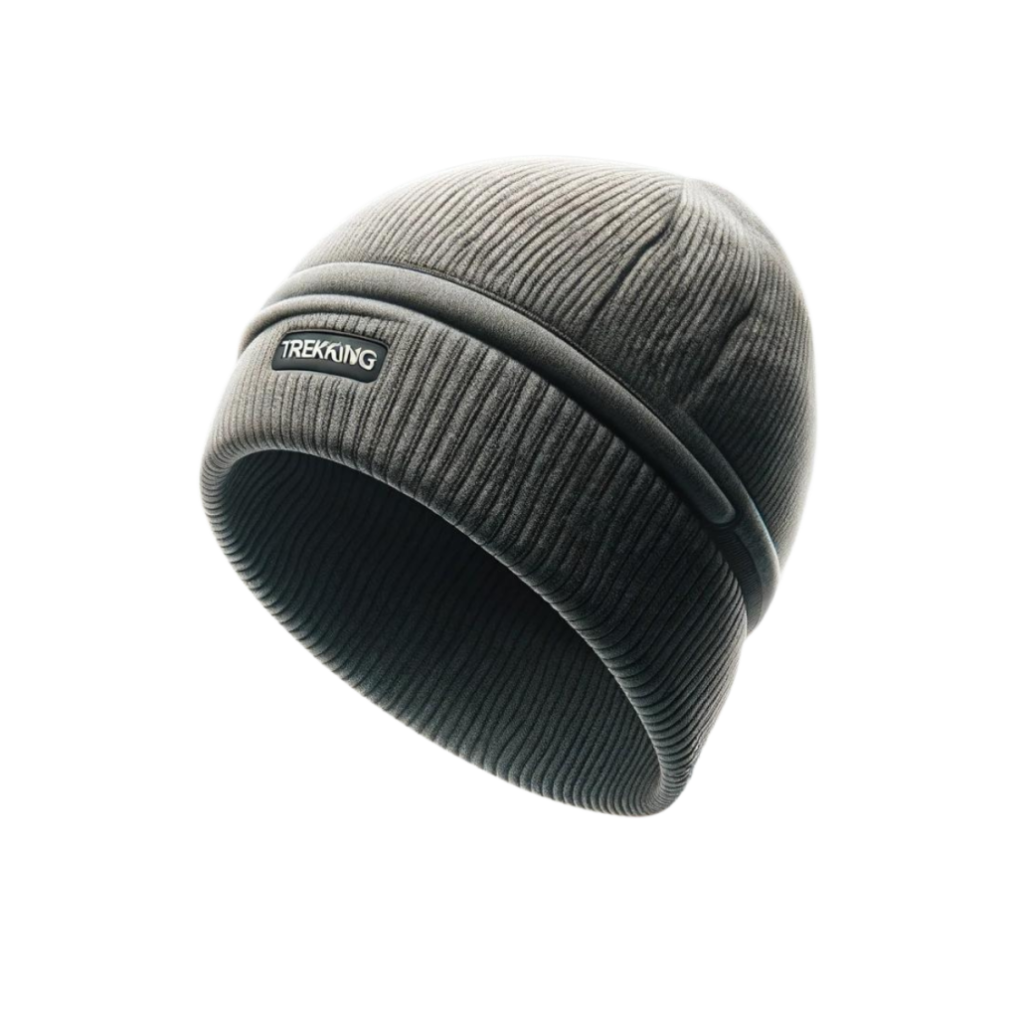
  • Woolen warm cap to protect against cold winds
  • Balaclava for extra warmth
  • Bandana (can be used as a sweatband or to cover your face from dust)

For Your Feet:

  • 4-5 pairs of regular socks
  • 1-2 pair of thick woolen socks for warmth
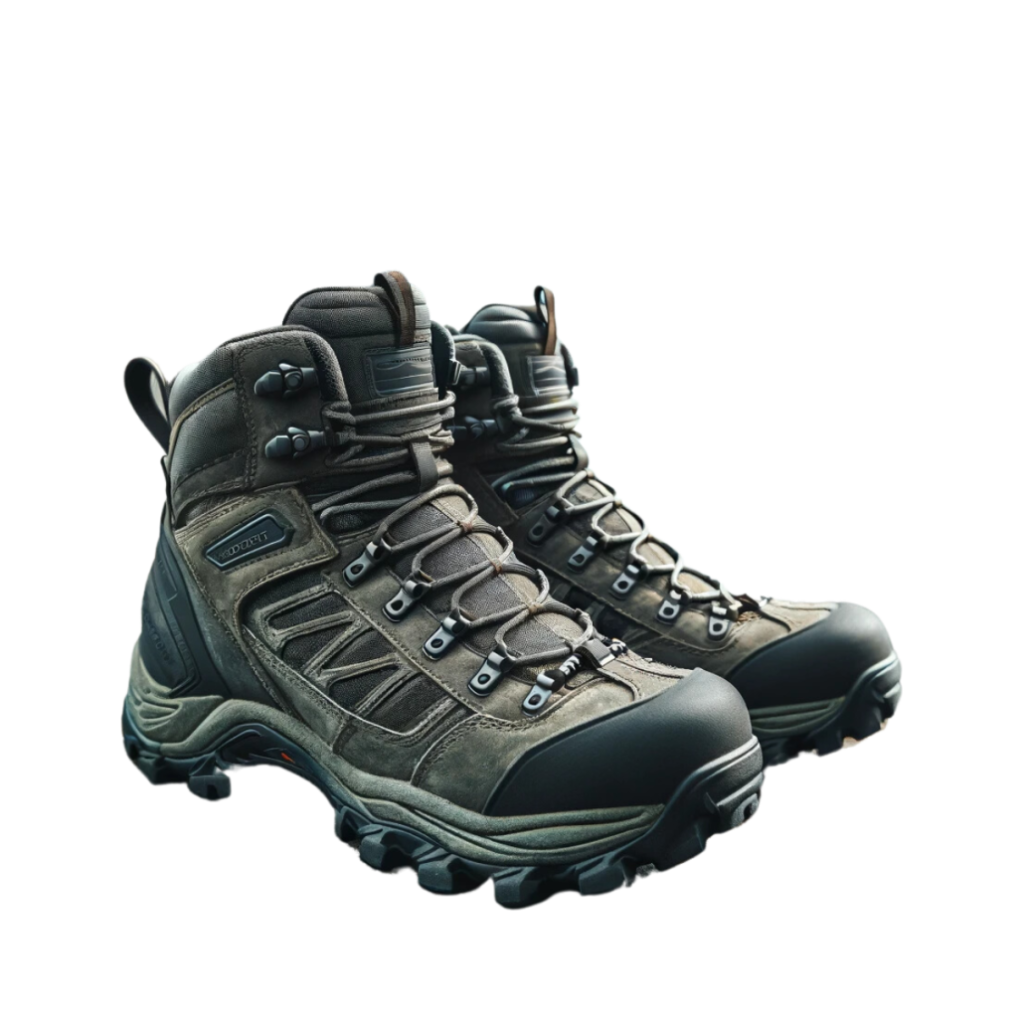
  • Trekking boots with ankle support and good grip
  • Extra pair of comfortable sneakers or shoes to wear at the Tea House

For Your Hands:

  • 1-2 pairs of warm inner gloves
  • 1 pair of waterproof gloves to keep your hands dry
  • Hand warmers (optional, but useful in very cold weather)
  • A pair of fleece gloves for extra insulation

Clothing: The Armor of the Adventurer:

  • 1 pair of thermal innerwear (top and bottom) for base warmth
  • 2 pairs of lightweight, quick-dry trekking pants
  • 1 pair of windproof and waterproof Gore-Tex trousers
  • 1 Gore-Tex or waterproof jacket for wind and rain protection
  • 1 poncho (optional) for sudden rain
  • 1-2 fleece jacket for light warmth
  • 3–4 full-sleeve dry-fit T-shirts for layering
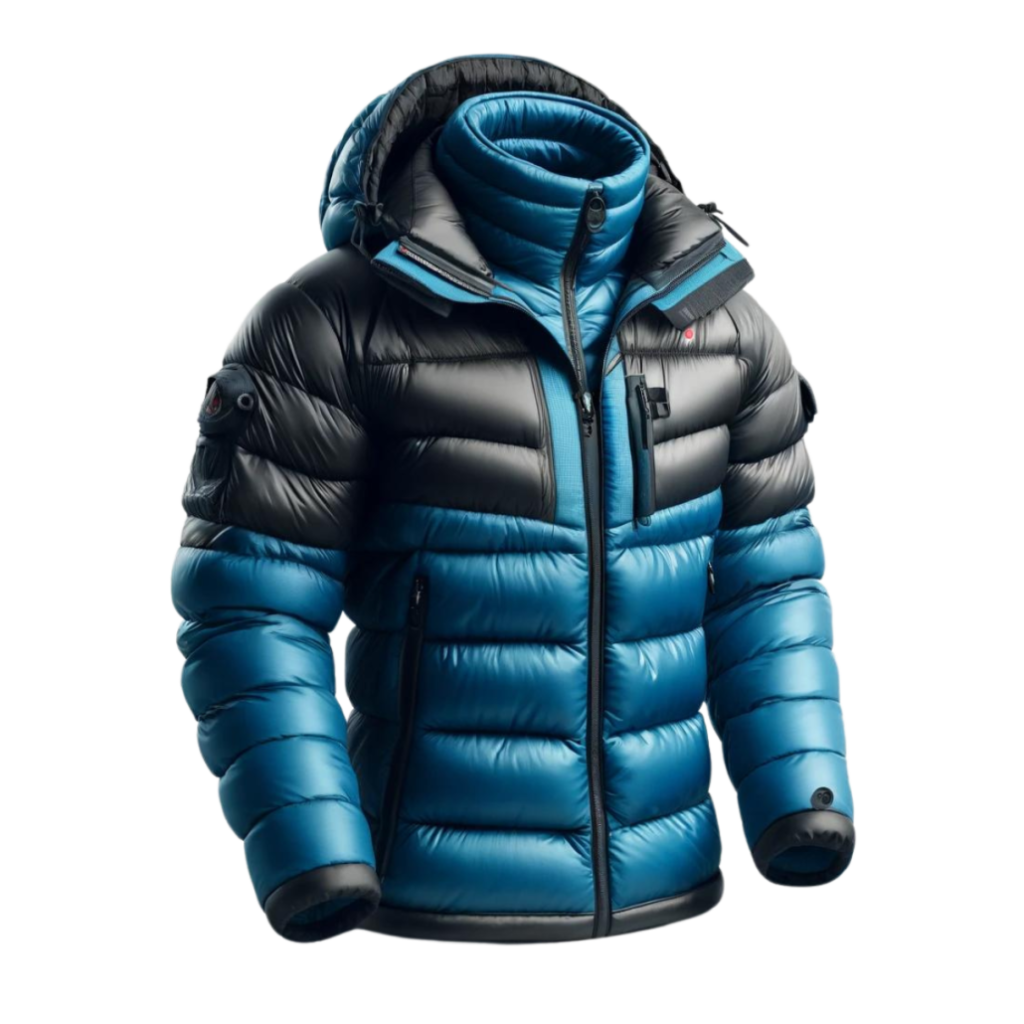
  • 1 heavy down or padded jacket (800-900 Fills) for extreme cold

Navigational & Survival Gear:

  • 20-30L Backpack (for water, snacks, fleece, etc.)
  • Duffel bag (provided by us; carried by mules/porters)
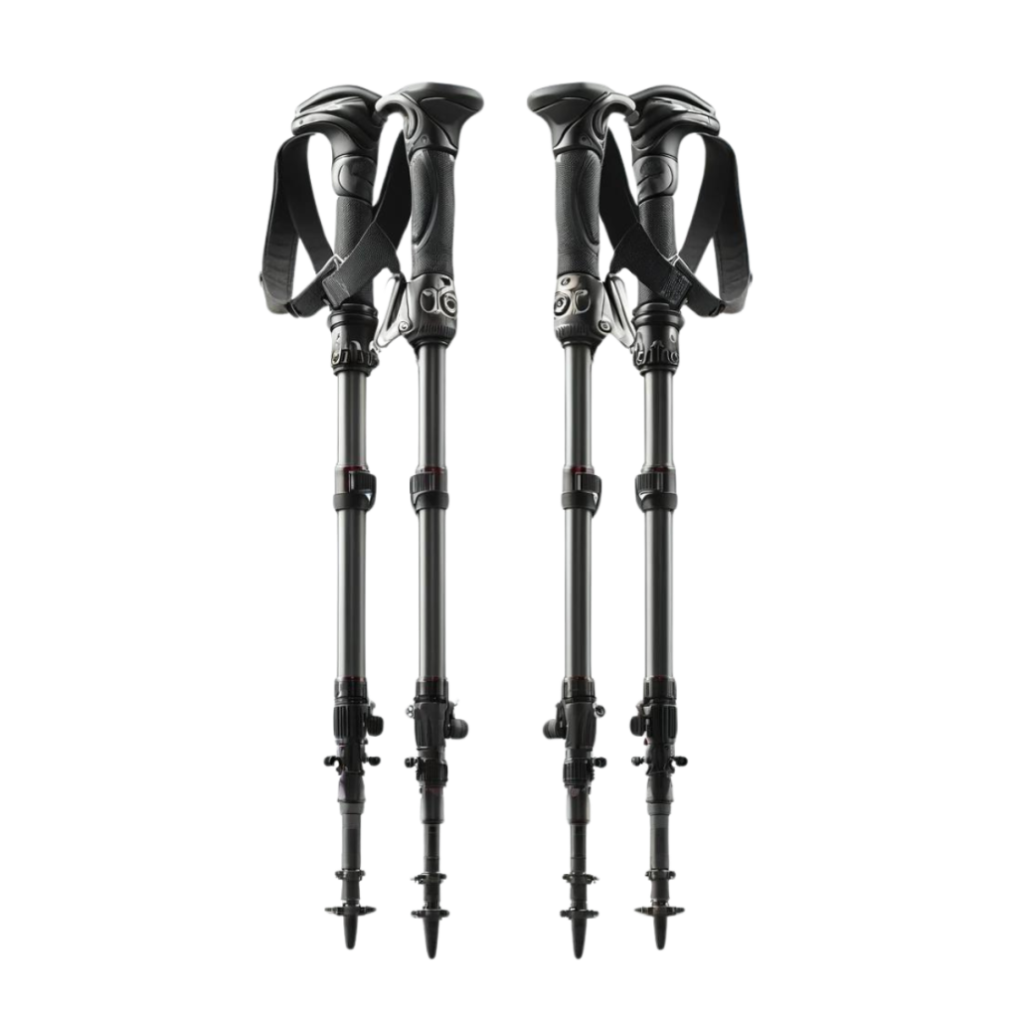
  • 1 trekking pole (or 2 for better balance)
  • Filter water bottle (2 bottles of 1 Ltrs)
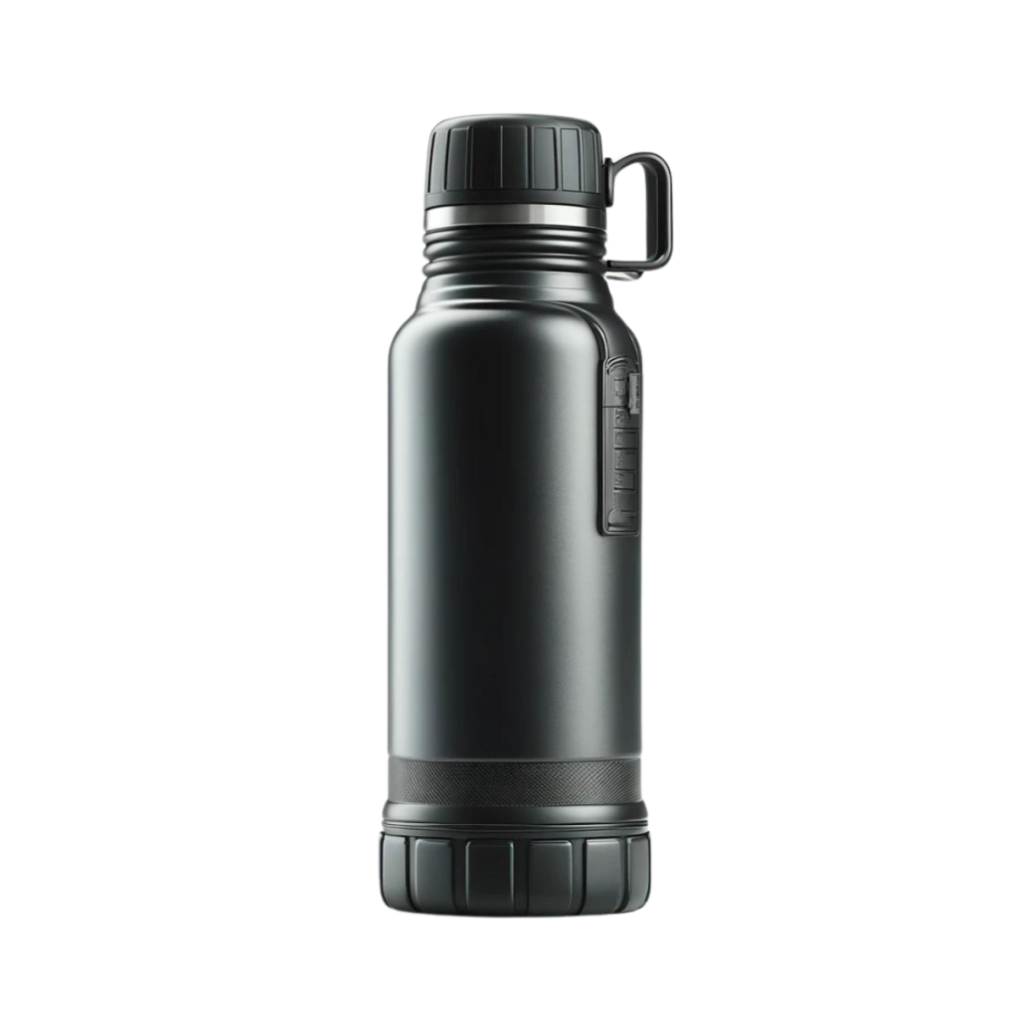
  • Thermos flask (for warm water or tea)

Personal Care Compact:

  • Toothbrush & toothpaste
  • Face towel, tissues & wet wipes
  • Hand sanitizer & lip balm
  • Moisturizer (optional but helpful in dry climate)
  • Personal medication kit
  • Sunscreen (SPF 50+)

Illumination & Eye Protection:

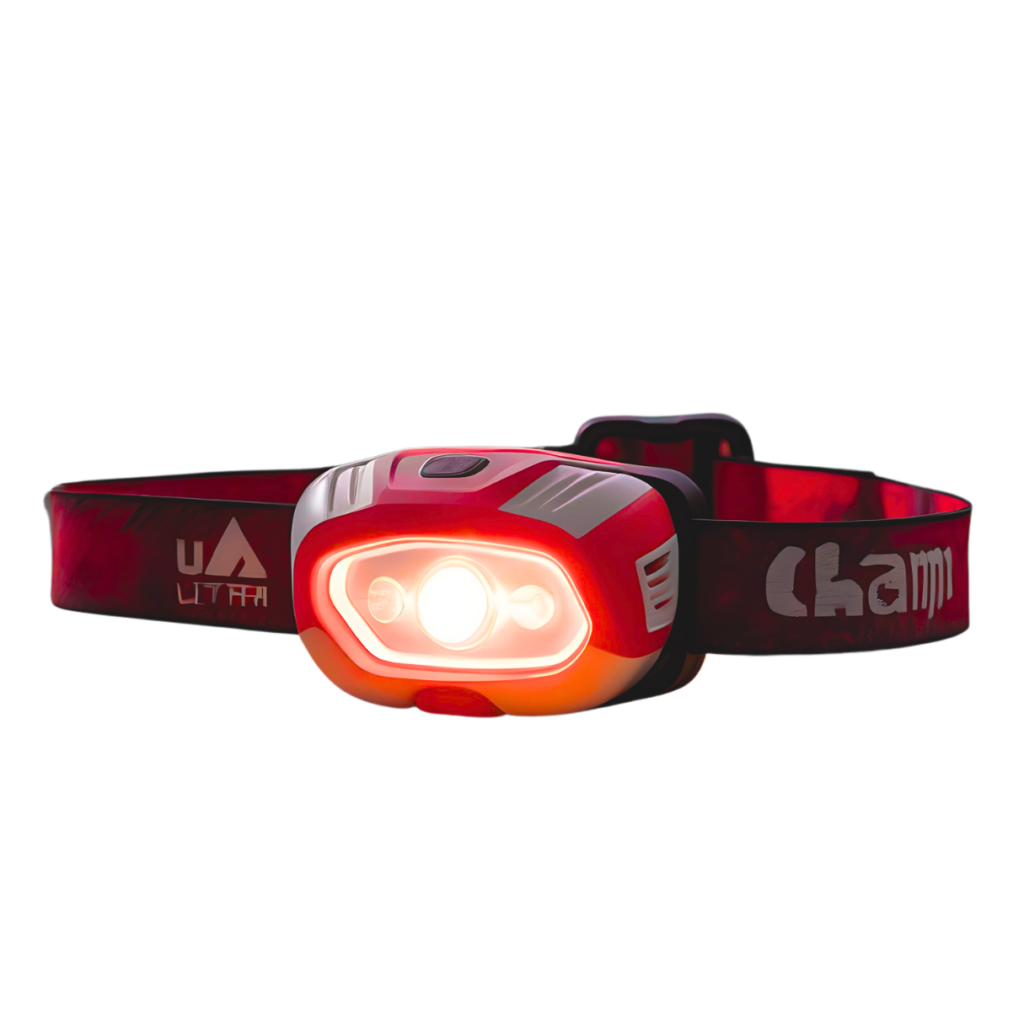
  • Headlamp with extra batteries – a must-have for night treks and early morning starts
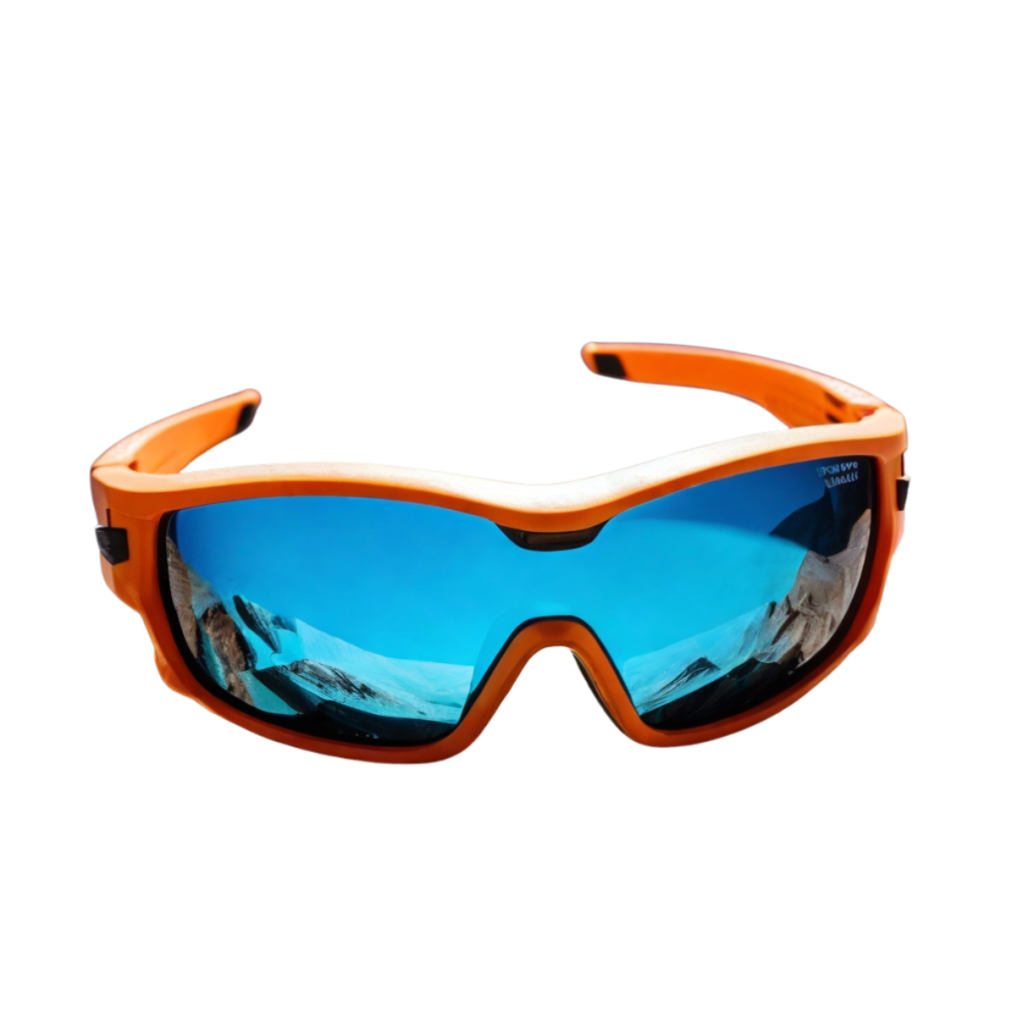
  • Sunglasses – Polarized, Category 4 with 100% UV protection and a wrap-around fit to guard your eyes from harsh sun glare and snowy reflections. Carry a backup pair just in case.

Soul Nourishment:

  • Camera – capture the beauty and magic of the mountains
  • Music player or earphones – enjoy peaceful moments with your favorite tunes
  • Books or playing cards – perfect for downtime and relaxing at camp