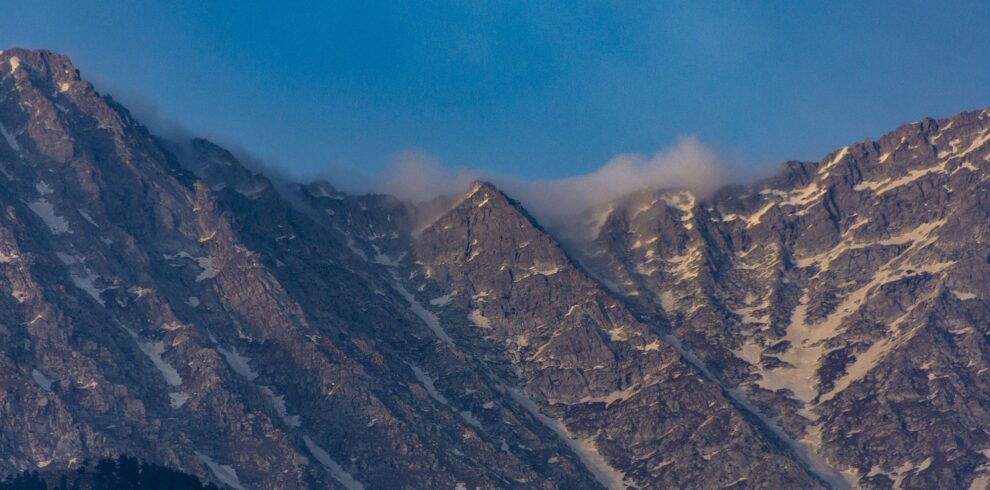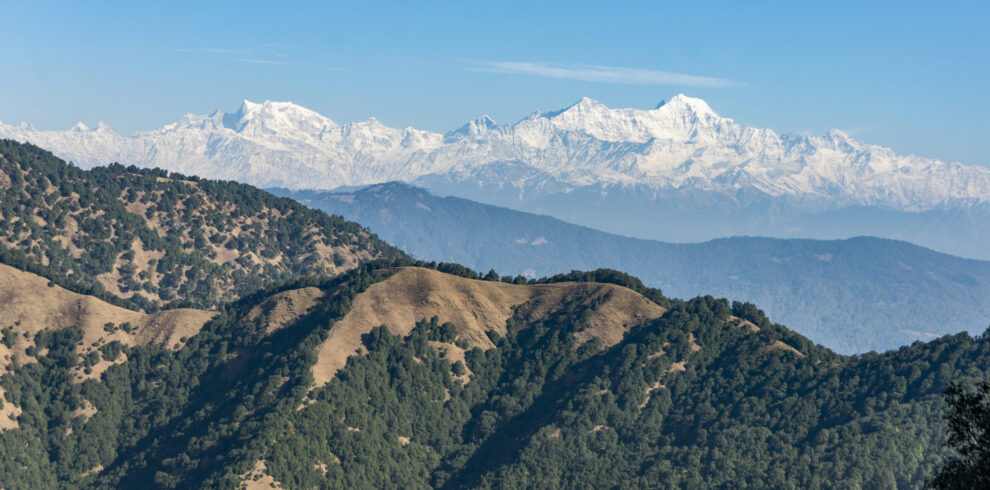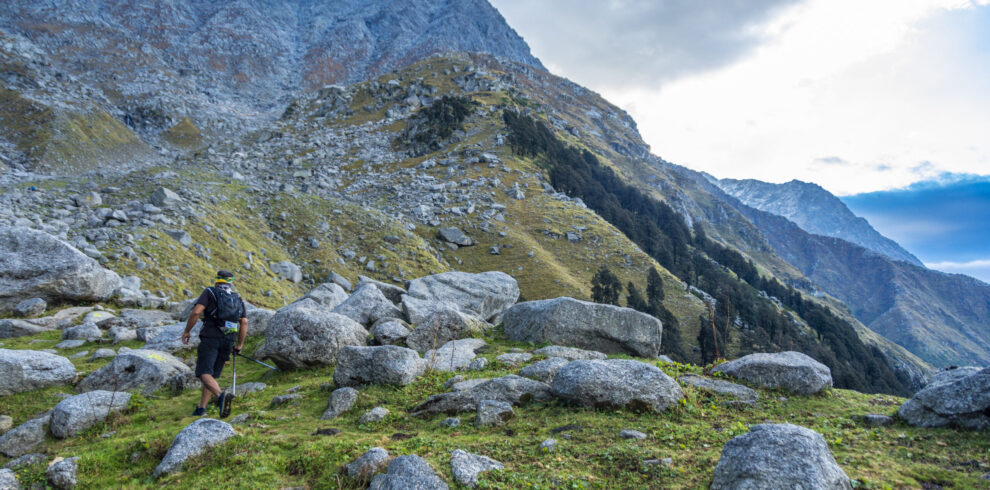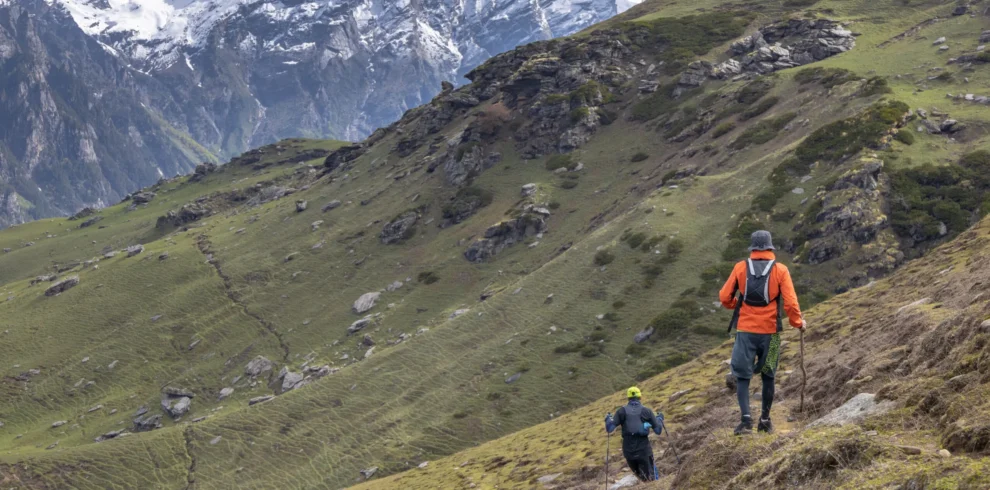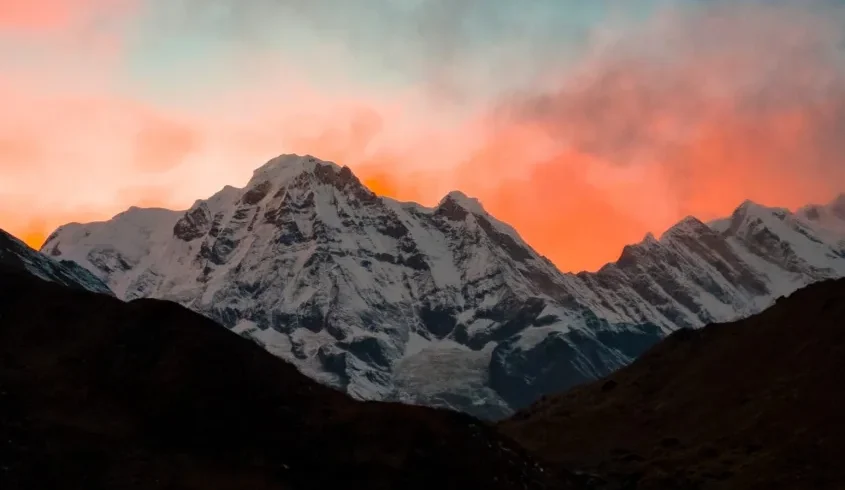

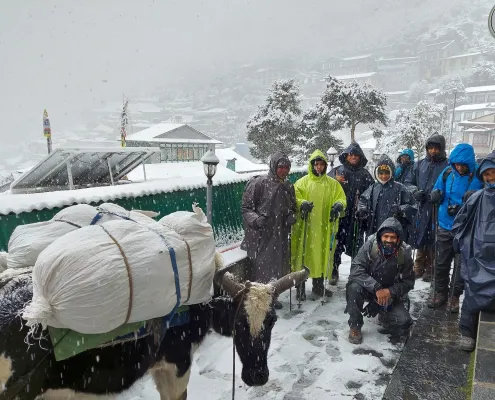
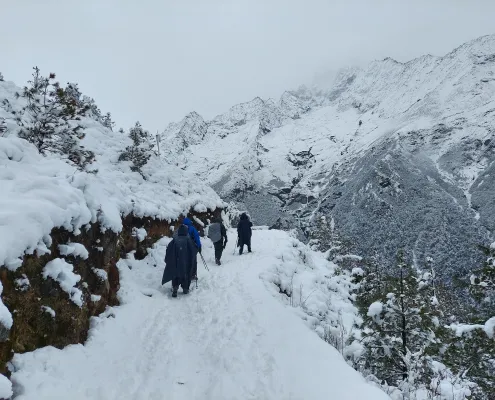
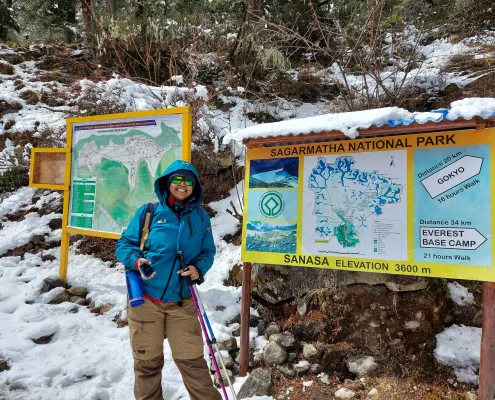
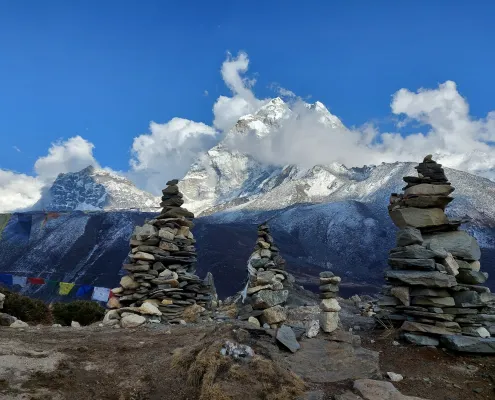
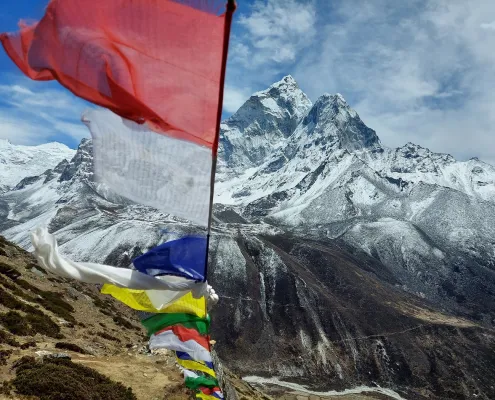
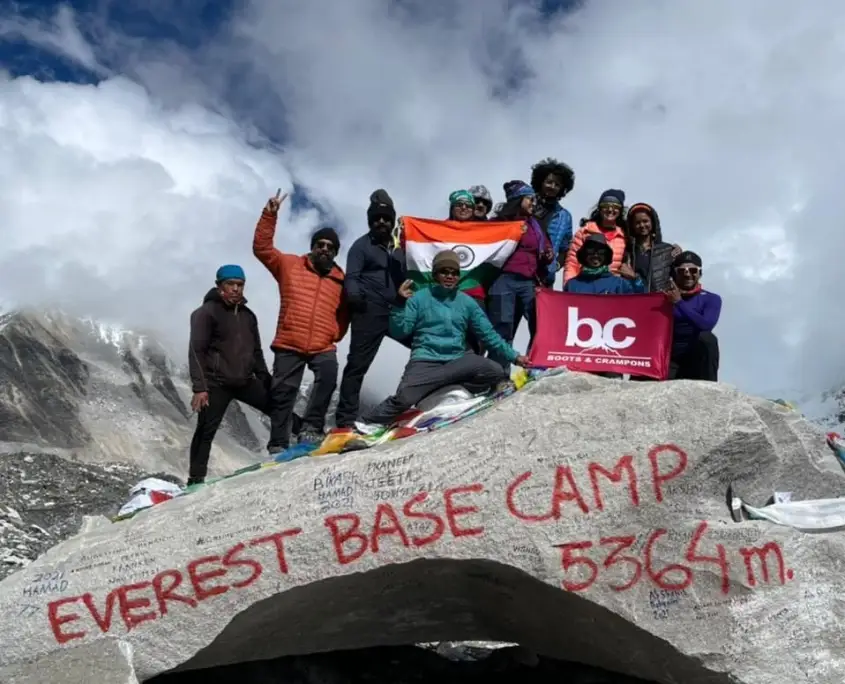
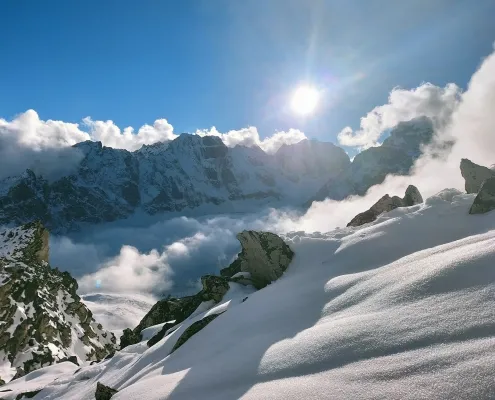
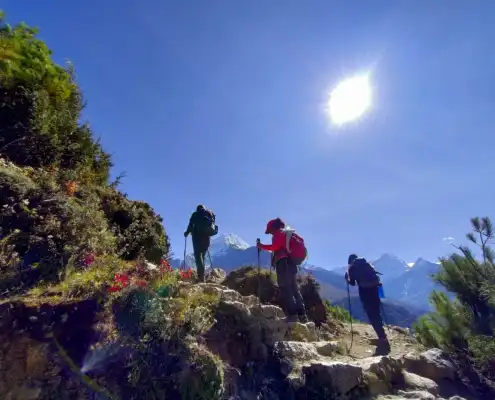
The Everest Base Camp Trek (5,364 m) is one of the most iconic high-altitude journeys on the planet. Walking in the footsteps of legendary climbers, this trek is as much about the experience and environment as it is about reaching a destination.
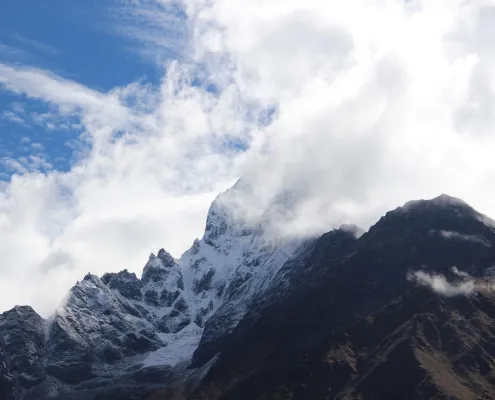
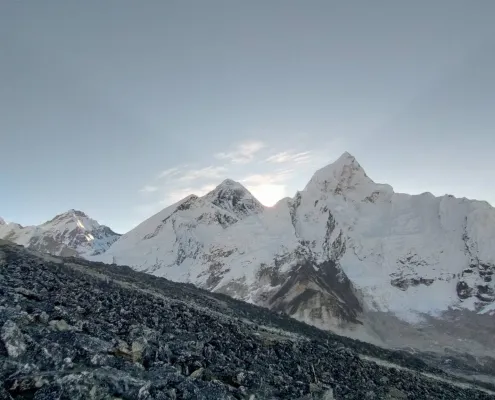
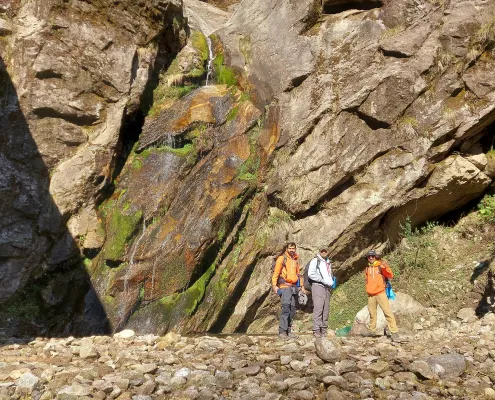
The trail winds through Sherpa villages, suspension bridges over roaring rivers, and deep valleys carved by glaciers. As altitude increases, forests give way to stark, rocky terrain, and the scale of the mountains becomes overwhelming. Peaks like Ama Dablam, Lhotse, Nuptse, and Everest dominate the skyline, constantly reminding you of where you are.
The true test begins above 4,000 m, where oxygen thins and every step requires effort. Acclimatization days, long walking hours, and cold mornings challenge both body and mind. The final approach to Everest Base Camp, across glacial moraines and exposed terrain, delivers a powerful sense of achievement. A climb to Kala Patthar (5,545 m) provides the most dramatic close-up views of Everest itself.
EBC is not technically difficult, but it is physically and mentally demanding, making preparation essential. This trek is ideal for those seeking a true high-altitude Himalayan experience that blends culture, endurance, and legendary mountain scenery.
Note: Prices mentioned are applicable for Indian passport holders. For foreign passport holders, the cost may vary. Please connect with the Boots & Crampons team for clarity.
Note: An indemnity document will be shared before the trek. Signing it is mandatory.
Day 1: Explore Kathmandu
Nepal’s capital is rich in culture and history. Upon arrival, transfer to your comfortable hotel in the heart of Kathmandu. Spend the day exploring ancient temples, shrines, and bustling markets in the Thamel district, where trekkers and mountaineers gather before their guided Everest Base Camp trek. Overnight in Kathmandu.
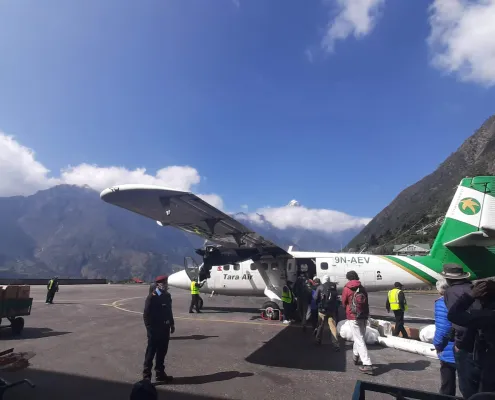
Day 2: Kathmandu – Lukla – Phakding
After an early breakfast, transfer to the airport for a scenic flight to Lukla (2,860m), the starting point of the Everest Base Camp trek. Enjoy breathtaking views of Mount Everest and surrounding peaks. From Lukla, begin your trek to Phakding (2,800m), following the Dudh Koshi River. The trek takes around 3–4 hours. Overnight in Phakding.
Day 3: Phakding – Namche Bazaar
Trek from Phakding to Namche Bazaar (3,440m), the gateway to the high Himalayas. The trail crosses suspension bridges and passes small Sherpa villages. The trek takes around 5–6 hours. Namche Bazaar is a lively town, popular for acclimatization, with cafes, German bakeries, bars, and shops. Overnight in Namche Bazaar.
Day 4: Namche Bazaar – Khumjung Valley – Namche Bazaar
To aid acclimatization, take a short hike to Khumjung Valley. Visit the Everest View Hotel, the world’s highest hotel, and enjoy coffee with a 360-degree panorama of peaks, including your first glimpse of Mount Everest. Return to Namche Bazaar for overnight stay.
Day 5: Namche Bazaar – Deboche
Trek from Namche Bazaar to Deboche (3,820m), passing through five villages along the way. The trek takes around 7–8 hours, with a moderate gain of less than 300 meters in altitude. Trails offer stunning views of Mounts Nuptse, Lhotse, and Everest. Overnight in Deboche.
Day 6: Deboche – Dingboche
Continue trekking through forests and small villages, with continuous views of Everest. Cross moraines and reach Dingboche (4,360m), a large village set against the backdrop of Lhotse’s south face (8,516m). The trek takes around 5–6 hours. Overnight in Dingboche.
Day 7: Dingboche – Nangkarshang Peak – Dingboche
For acclimatization, climb Nangkarshang Peak (approx. 5,050m). Enjoy spectacular views of the Khumbu region. Descend back to Dingboche for overnight stay. The climb takes around 4–5 hours round trip.
Day 8: Dingboche – Lobuche
Trek from Dingboche to Lobuche (4,940m), the second-highest village on the trail. Cross rugged terrain and the moraine wall, flattening out as you approach Lobuche. The trek takes around 5–6 hours. Overnight in Lobuche.
Day 9: Lobuche – Everest Base Camp – Gorakshep
Trek from Lobuche to Gorakshep (5,170m) and onward to Everest Base Camp (5,364m), the main destination of the trek. Spend time at the iconic base camp, then return to Gorakshep for overnight stay. The trek takes around 7–8 hours.
Day 10: Gorakshep – Kala Patthar – Lukla
Begin early for the climb to Kala Patthar (5,545m) for an unobstructed view of Mount Everest and surrounding peaks. Descend back to Gorakshep, then transfer by helicopter to Lukla (2,860m). Overnight in Lukla.
Day 11: Lukla – Kathmandu
Fly from Lukla to Kathmandu and transfer to your hotel. The remainder of the day is free to rest, recover, and celebrate the trek. Overnight in Kathmandu.
Day 12: End Tour – Depart Kathmandu
After breakfast, transfer to Tribhuvan International Airport for your final departure.

Note: Personal gear like jackets & sleeping bags can be hired on request.

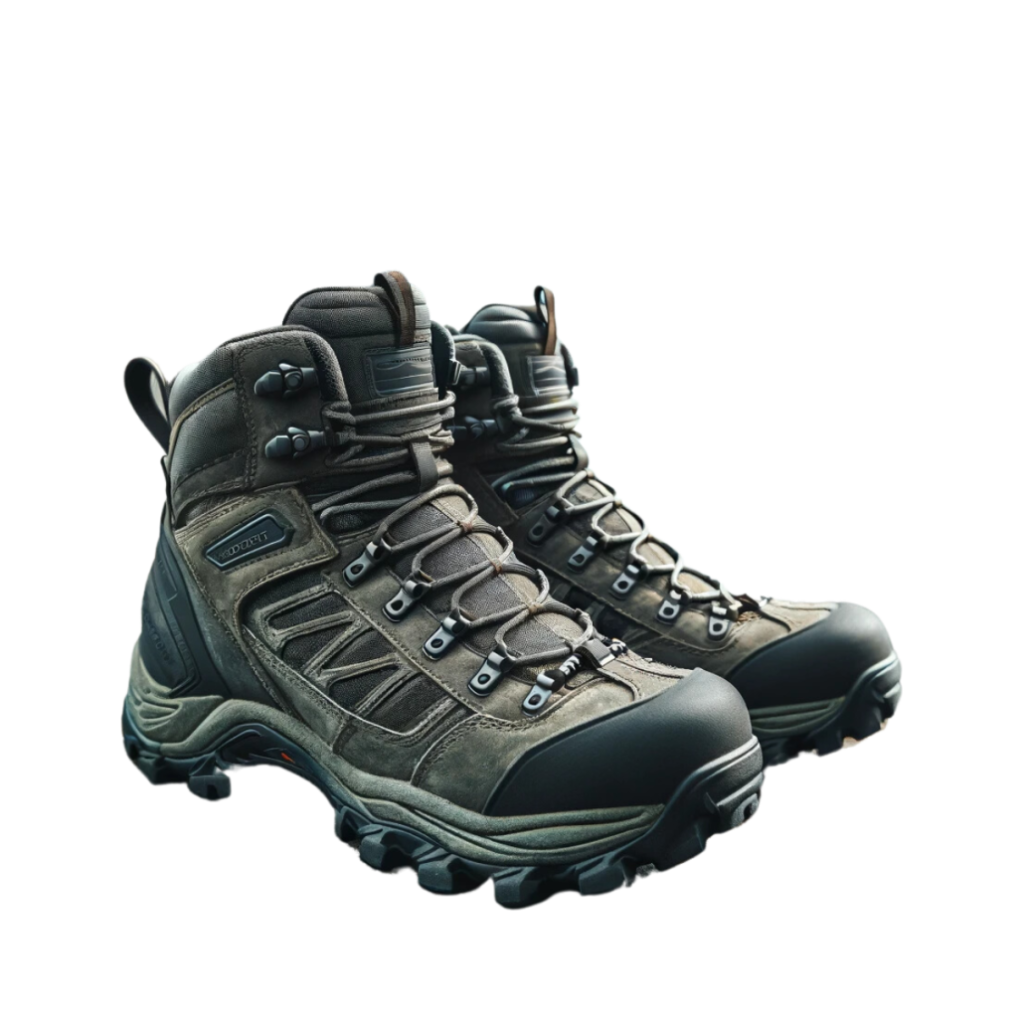
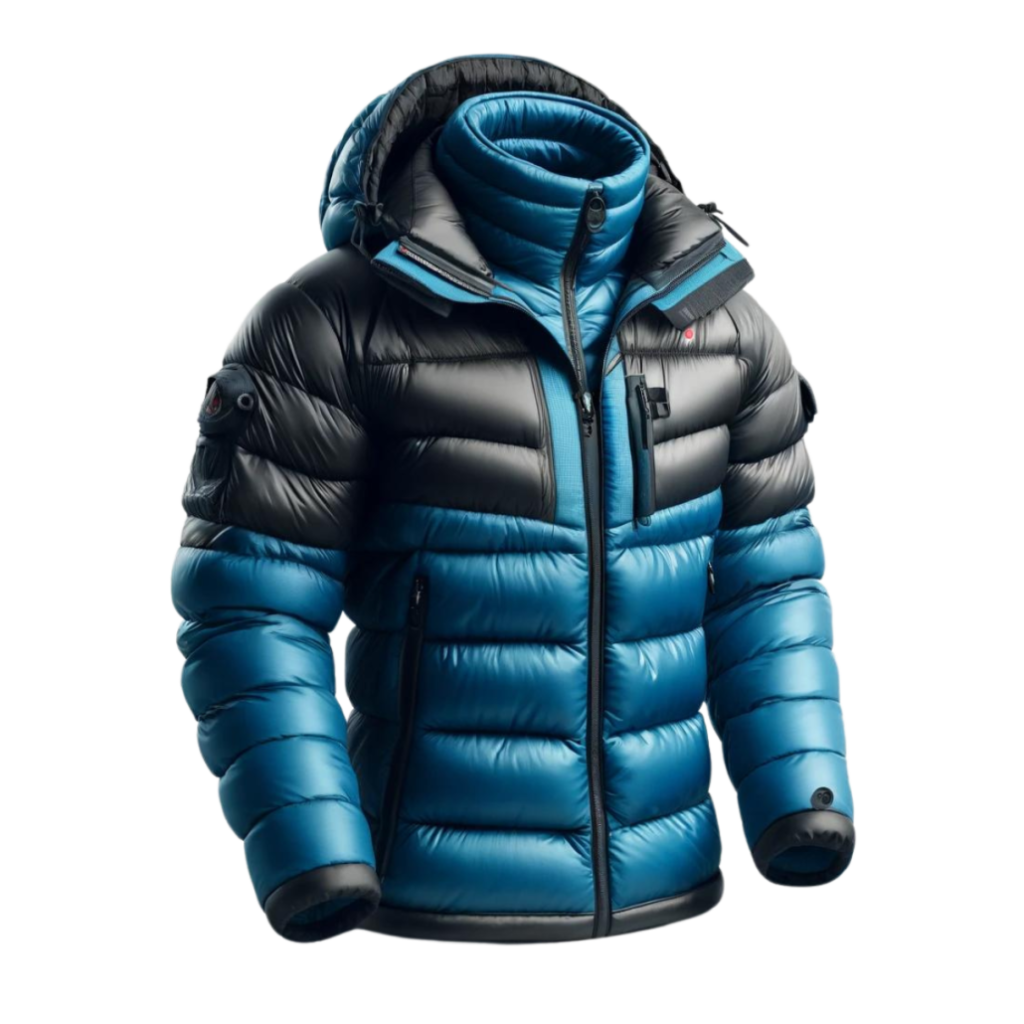
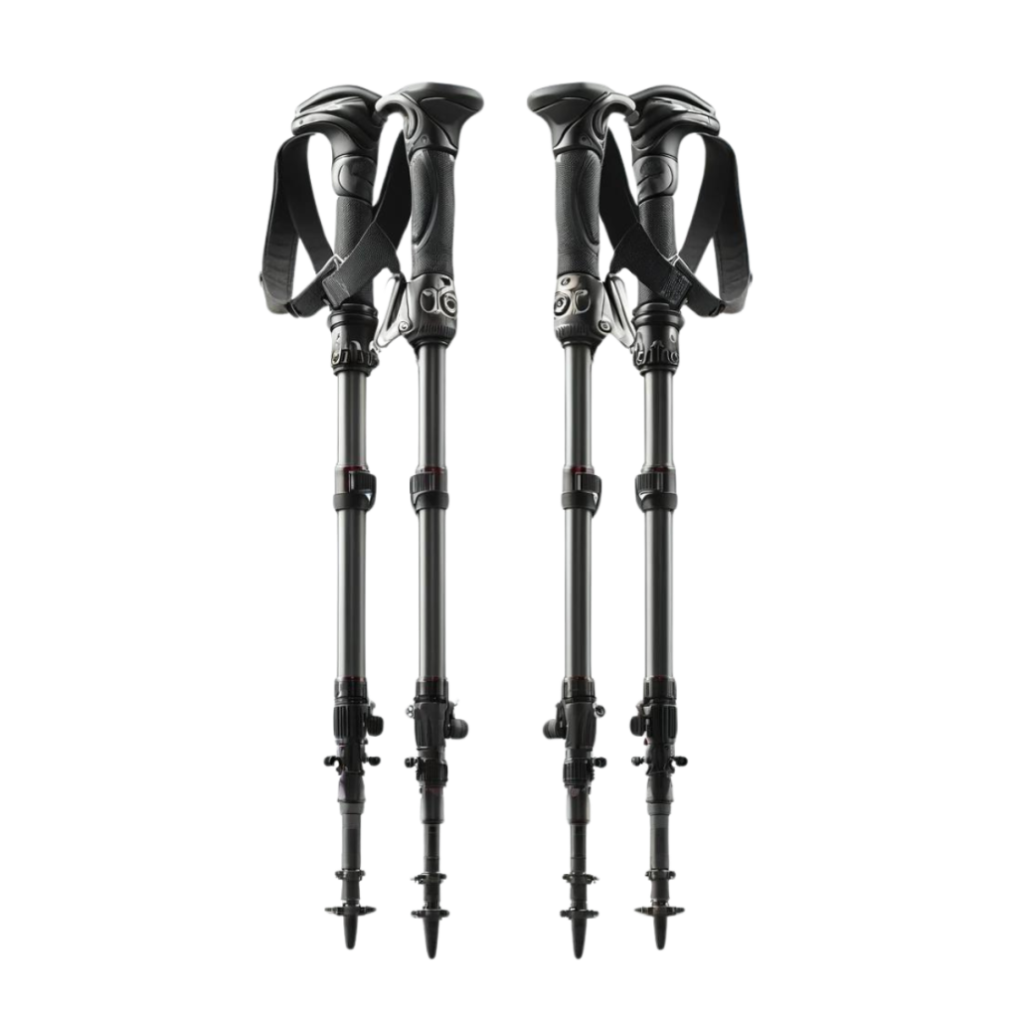



*Rental Gears Required*
Visit our Contracted Business Partner website – Summit Yak
for details on trek-specific rental gears and rates.
This trek follows well-defined mountain trails through forests, suspension bridges, rocky paths, high-altitude valleys, and glacier moraines. The final approach to base camp involves rocky and uneven terrain.
The highest point on the trek is Kala Patthar (~5,545 m / 18,192 ft), with Everest Base Camp itself at 5,364 m (17,598 ft). The trek includes multiple days above 3,500 m, which requires careful acclimatization.
EBC is considered a moderate to challenging high-altitude trek. While it does not involve technical climbing, the altitude gain, long trek days, and thin air make it more demanding than many beginner treks.
The most favorable months are:
Typical itineraries range from 12 to 16 days, depending on acclimatization days and route variations. Most days involve 5–7+ hours of walking, though some days can be longer.
You should be:
➡️ Refer to the Trek Preparation Guide for detailed training and fitness expectations.
Essentials include:
➡️ A complete packing checklist is provided in the Preparation Guide.
Water is commonly available at teahouses and from streams. It should be treated or purified before drinking to avoid illness.
Yes — altitude is a significant factor. The itinerary includes gradual acclimatization days to help your body adapt. Hydration, pacing, rest, and following your trek leader’s advice are crucial.
Training should include:
➡️ For full guidance, see the Trek Preparation Guide.
The Everest Base Camp trek is one of the most iconic high-altitude treks in the world.
With proper preparation, pacing, and respect for altitude, it becomes an achievable
and deeply rewarding journey.
Boots & Crampons staff of highly trained professional guides is here to make your journey as safe and secure as possible. All of our trekking guides are medically certified and have abundant experience using their training in mountainous environments.
Our safety standards are based on the experiences of our founder, managing risk in some of the world’s most hostile environments.
While we advise our trekkers to carry light, our guides are always prepared with:
Discover similar treks from Boots & Crampons that quench your thirst for adventure.