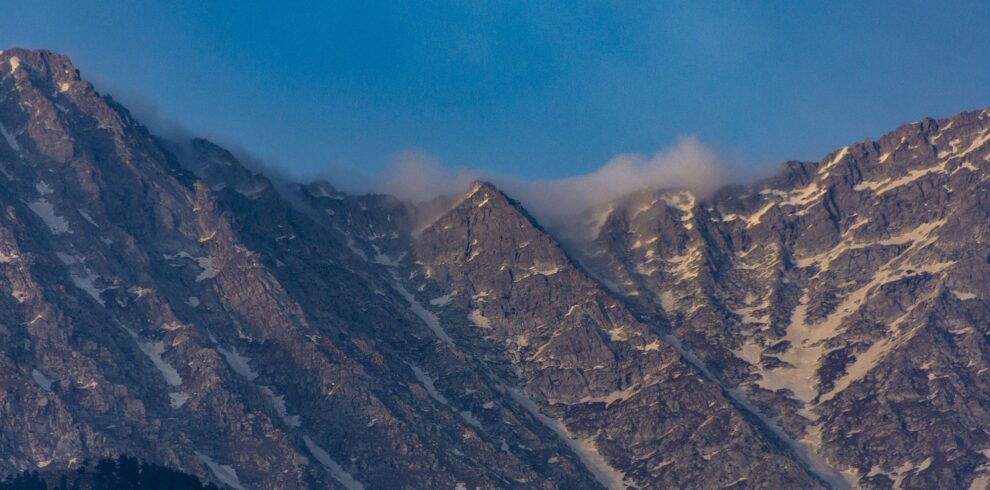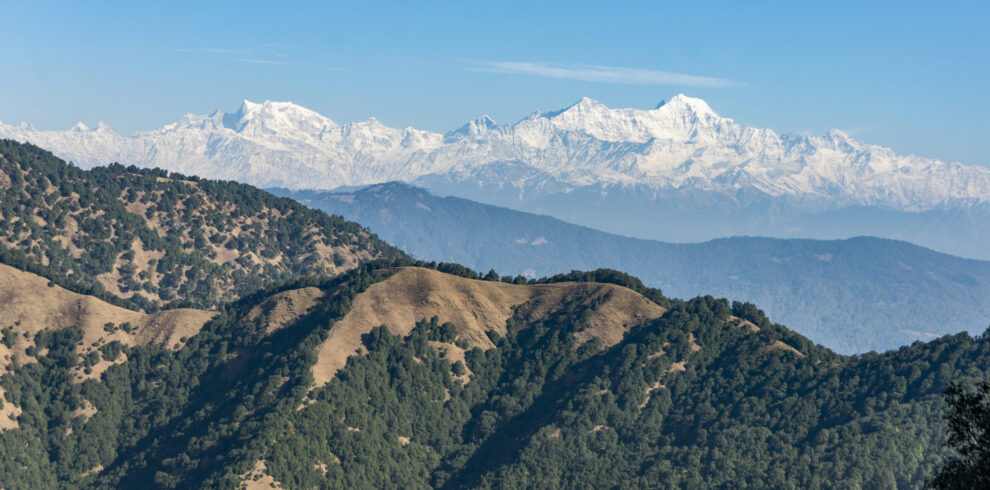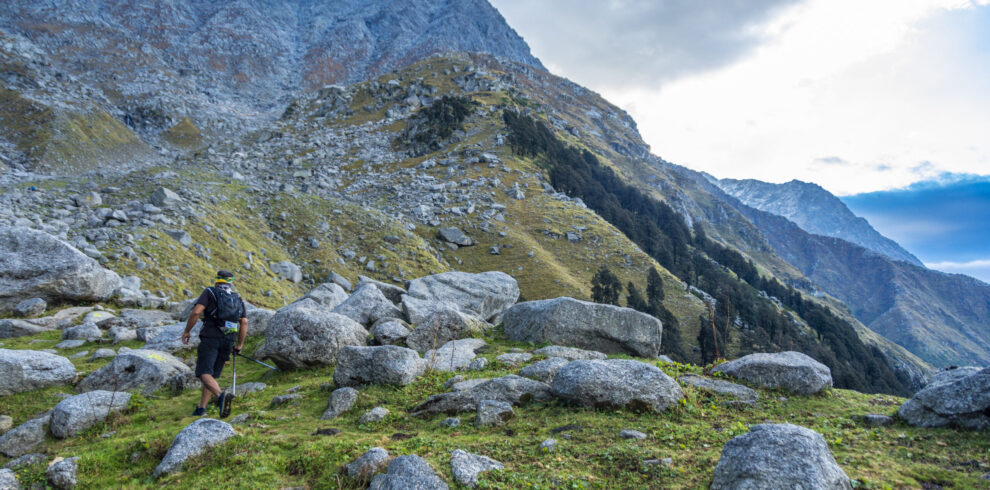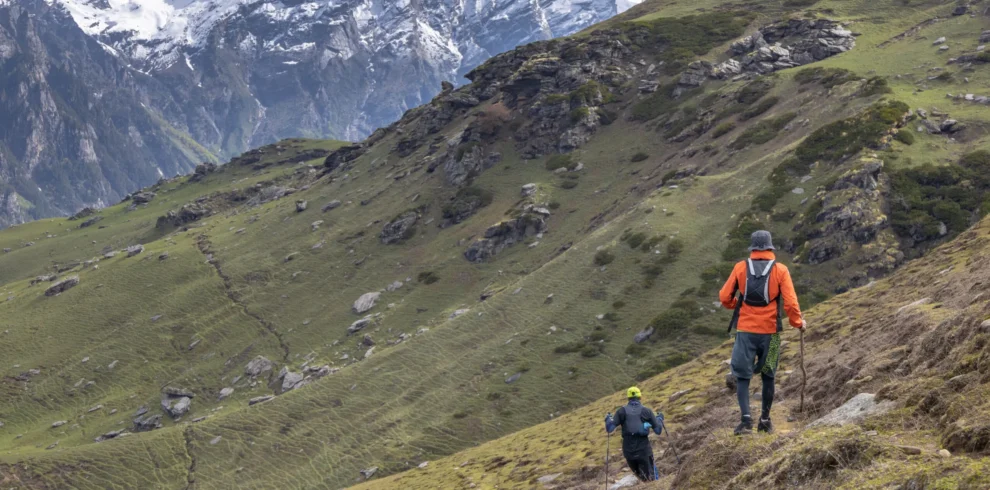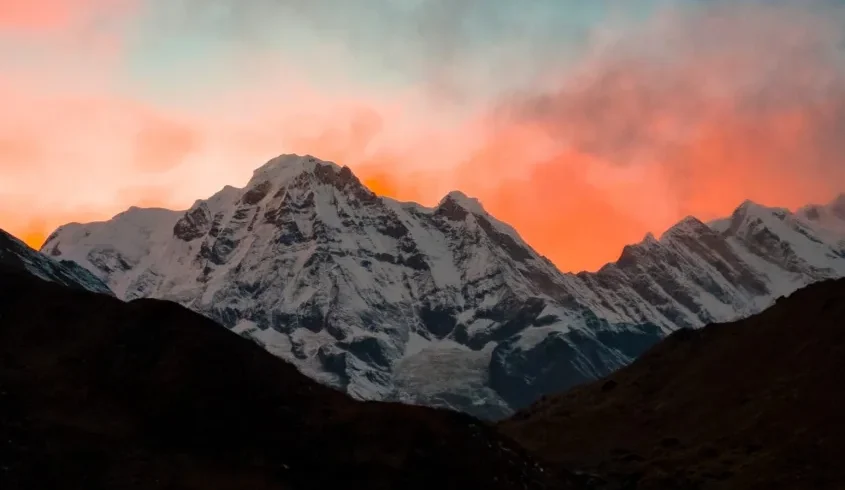
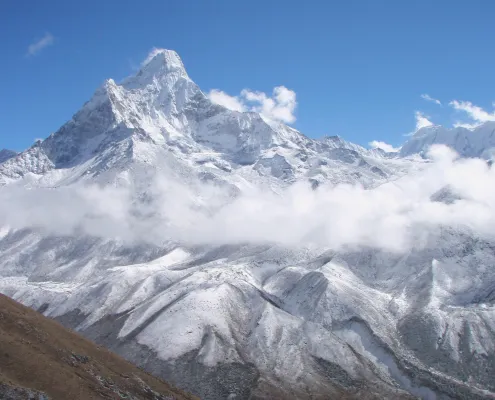
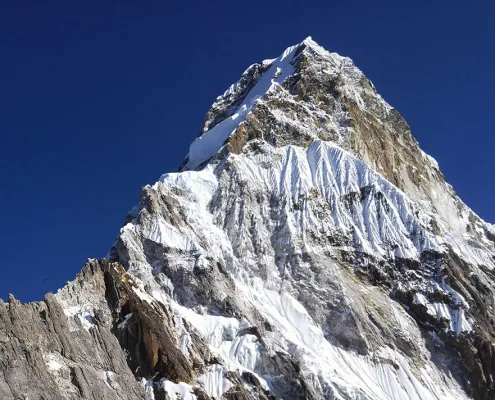
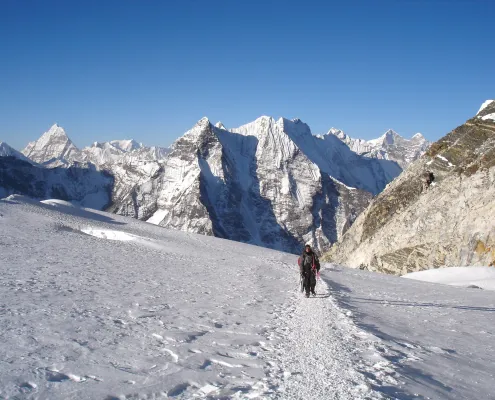
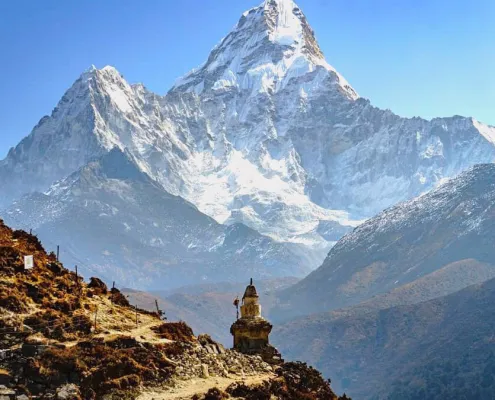
Often called the “Matterhorn of the Himalayas,” Ama Dablam (6,812 m) is one of the most iconic and technically beautiful mountains in the world. Rising sharply above the Khumbu Valley, this peak is a true test of technical mountaineering skill, endurance, and mental control.
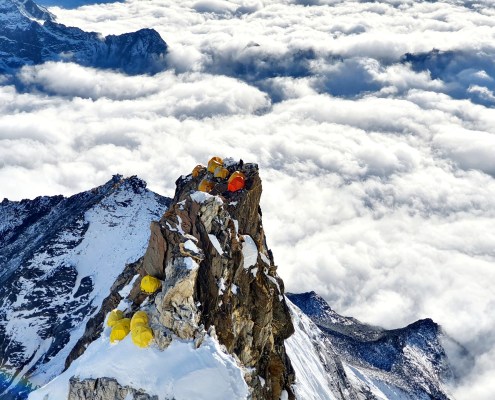
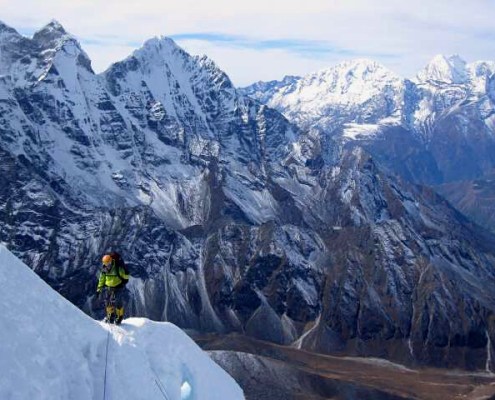
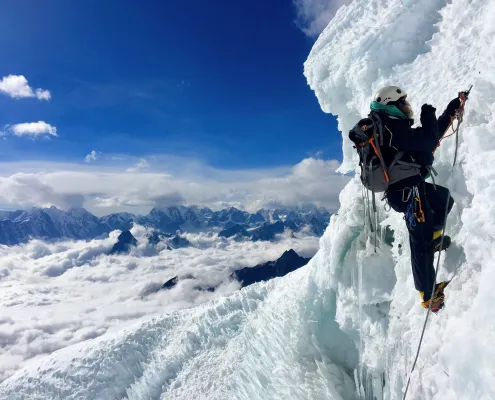
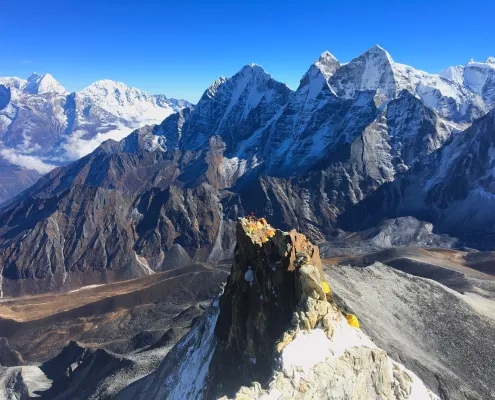
The expedition begins with the classic Everest approach before transitioning into a highly technical climb involving exposed ridges, steep ice walls, mixed rock sections, ladders, and fixed ropes. Camps are perched dramatically on narrow ridgelines, adding intensity and exposure at every stage. The famous Yellow Tower, Mushroom Ridge, and summit ridge provide some of the most adrenaline-filled climbing moments in the Himalayas.
Summit day is long, committing, and unforgiving — requiring absolute focus, strong rope management skills, and the ability to perform under extreme altitude and exposure. Views from the summit include Everest, Lhotse, Makalu, and the entire Khumbu region.
Ama Dablam is not a beginner’s peak. It is meant for experienced climbers with strong technical backgrounds who want to take on one of the world’s most prestigious alpine objectives.
Note: Prices mentioned are applicable for Indian passport holders. For foreign passport holders, the cost may vary. Please connect with the Boots & Crampons team for clarity.
Note: An indemnity document will be shared before the expedition. Signing it is mandatory.
Day 1: Arrival in Kathmandu. Transfer to hotel & introduction.
Upon arrival in Kathmandu, you will be welcomed and transferred to your hotel. After settling in, there will be a brief introduction to the trek, providing important information about the days ahead. You will also have some free time to explore the surroundings or relax.
Day 2: Briefing at Department of Tourism & Sightseeing.
Today, you will attend a formal briefing at the Department of Tourism regarding the trek’s guidelines and regulations. Afterward, you will embark on a sightseeing tour of Kathmandu, visiting some of its famous landmarks and cultural sites such as Swayambhunath Stupa (Monkey Temple), Boudhanath Stupa, and Pashupatinath Temple.
Day 3: Fly to Lukla (2,827 M). Trek to Phakding (2,652 M).
In the morning, you’ll take a scenic flight to Lukla, a small mountain airstrip. Upon arrival, the trek begins with a short and easy walk to Phakding. The route takes you through beautiful pine forests, passing by traditional Sherpa villages, and offering scenic views of the surrounding landscape.
Day 4: Phakding to Namche Bazaar (3,440 M).
Today’s trek is a bit more challenging as you make your way to Namche Bazaar, the bustling hub of the Khumbu region. You will cross several suspension bridges and hike through dense forests of rhododendron and pine. The ascent is steep in parts, but the views along the way make the effort worthwhile.
Day 5: Namche – Acclimatization Day.
An important acclimatization day to help your body adjust to the higher altitude. You will take a short hike around Namche to gain some altitude and then return to rest. The day can also be spent exploring Namche Bazaar, where you can visit the local market, interact with the Sherpa people, or take a trip to the Everest View Hotel for panoramic views of Mount Everest and the surrounding peaks.
Day 6: Trek to Tengboche (3,860 M).
Today’s trek takes you from Namche to Tengboche, where you will visit the famous Tengboche Monastery, one of the largest in the region. The trail offers breathtaking views of Everest, Lhotse, and Ama Dablam. The walk is relatively gradual and provides ample time for you to enjoy the stunning Himalayan scenery.
Day 7: Trek to Pangboche (3,985 M).
On the final day of the week’s trek, you’ll head to Pangboche, a small Sherpa village located just beneath the towering peaks of Ama Dablam and Everest. The trek takes you through beautiful alpine forests and past the ancient Pangboche Monastery, which is the oldest in the region, offering a serene atmosphere amidst the majestic mountains.
Day 8: Trek to Ama Dablam Base Camp (4,600 M).
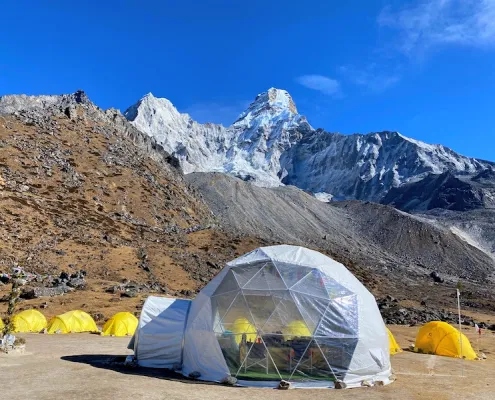
Today’s trek will take you to the iconic Ama Dablam Base Camp, situated at 4,600 meters. The journey offers stunning views of the surrounding peaks, including Ama Dablam itself. The trek is challenging but rewarding as you approach the base of one of the most beautiful mountains in the world. Upon reaching Base Camp, you’ll settle in and prepare for the upcoming climbing period.
Day 9-11: Acclimatization, Prayer Ceremony & Training.
These days are dedicated to acclimatization and preparation for the climb. You will spend the time adjusting to the altitude with light hikes and rest, allowing your body to adapt to the environment. Additionally, a traditional prayer ceremony will be held, offering blessings for a safe climb. Training sessions will be conducted, focusing on the technical skills needed for the ascent, such as ice axe handling, crampon techniques, and rope work.
Day 12-22: Climbing Period.
This period is dedicated to the actual climb of Ama Dablam. The team will follow a well-planned schedule of establishing higher camps at strategic points (Camp 1, Camp 2) and making gradual acclimatization ascents. Each day’s progress will depend on weather conditions and the group’s stamina. This phase will require intense physical effort, mental focus, and teamwork as you make your way to the summit.
Day 23: Descend to Base Camp.
After the summit push, you will descend back to Base Camp, where you can rest and recover from the climb. The descent is less physically demanding, but it’s still important to be cautious as you make your way down the steep and rocky terrain.
Day 24: Fly back to Kathmandu.
From Base Camp, you’ll trek back to Lukla and catch a flight back to Kathmandu. The flight offers a last chance to admire the Himalayan peaks from the sky before heading back to the bustling capital.
Day 25: Departure for Home.
On the final day of your journey, you will have some free time to explore Kathmandu or relax before your flight home. You’ll depart with unforgettable memories of your Ama Dablam expedition
Explore the comprehensive metrics of the climb, including altitude changes, climb duration, route specifics, distance, and more. Recorded on Garmin during our 2024 expedition to Island Peak and Ama Dablam (in that order), this data provides an in-depth analysis of what happens on ground zero, helping you prepare better. Click here to explore the data.
Accommodation & Meals
Permits, Documentation & Government Fees
Flights, Transfers & Transportation
Expedition Staff & Climbing Support
Base Camp Infrastructure & Expedition Equipment
Safety, Communication & Expedition Support
Additional Services
International Travel & Visa
Insurance & Emergency Expenses
Personal Equipment & Gear
(Gear rental assistance can be provided upon request.)
Personal Expenses
Bonuses, Tips & Additional Staff Costs
Special Permits & Optional Services
Unforeseen & Additional Costs
General Clause
Please read carefully before registering
At Boots & Crampons, preparation is not optional. The level of training required depends on the duration, altitude, and technical difficulty of the trek or expedition you are signing up for.
Proper preparation increases not just your chances of success, but also your safety and enjoyment in the mountains.








*Rental Gears Required*
Visit our Contracted Business Partner website – Summit Yak
for details on trek-specific rental gears and rates.
Ama Dablam involves steep rock sections, exposed ridgelines, snow and ice slopes, fixed ropes, ladders, and glacier travel. This is a highly technical Himalayan expedition requiring confident movement on mixed terrain.
Ama Dablam stands at 6,812 m (22,349 ft). The challenge lies not only in altitude but also in technical climbing, exposure, and sustained time spent above 5,500 m.
Yes. Ama Dablam is a technical mountaineering expedition. Climbers must be proficient with:
This expedition is not suitable for first-time climbers.
The best climbing seasons are:
Weather windows are short, and flexibility is critical.
The expedition typically lasts 25–30 days, including acclimatization and buffer days. Climbers spend multiple nights above 5,700 m, making altitude management a key factor.
Ama Dablam is suitable only for experienced mountaineers with:
Detailed fitness and preparation requirements are outlined in the Trek Preparation Guide.
Participants are expected to follow a long-term, structured training plan covering strength, endurance, and technical skills.
Please refer to the Trek Preparation Guide for complete preparation details.
Accommodation includes lodges during the approach trek and tents at Base Camp and higher camps. Conditions at altitude are cold, exposed, and minimal, typical of Himalayan expeditions.
Water is obtained from glacial streams and snow melt. The expedition team treats water, but climbers should carry personal purification tablets or filer water bottles as backup
Ama Dablam is a climb of precision, patience, and discipline.
Proper preparation and honest self-assessment are non-negotiable.
Participants are strongly advised to review the Preparation Guide carefully and ensure they meet the experience and fitness expectations before registering.
Boots & Crampons staff of highly trained professional guides is here to make your journey as safe and secure as possible. All of our trekking guides are medically certified and have abundant experience using their training in mountainous environments.
Our safety standards are based on the experiences of our founder, managing risk in some of the world’s most hostile environments.
While we advise our trekkers to carry light, our guides are always prepared with:
Be it queries about the trek, customization or anything else, our team is eager to assist you.
Need your questions answered right away?
Get in touch with us at
Discover similar treks from Boots & Crampons that quench your thirst for adventure.

Discover similar treks from Boots & Crampons that quench your thirst for adventure.