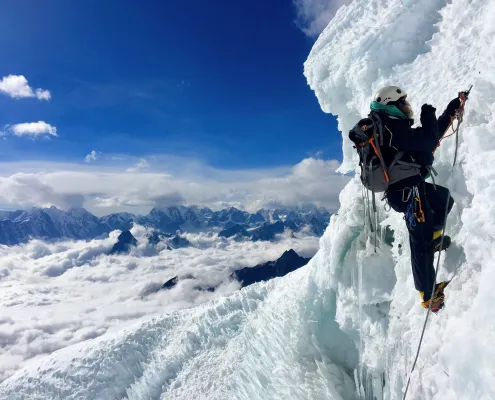
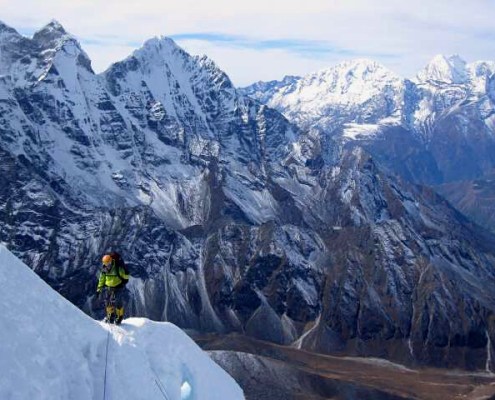
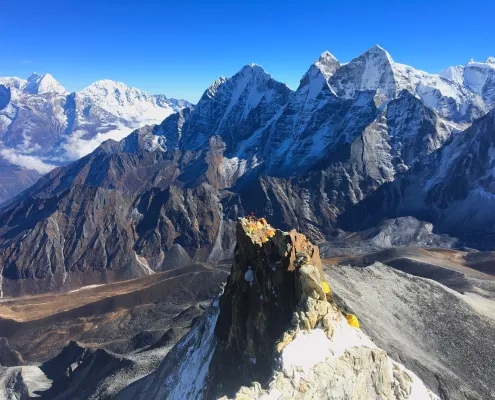
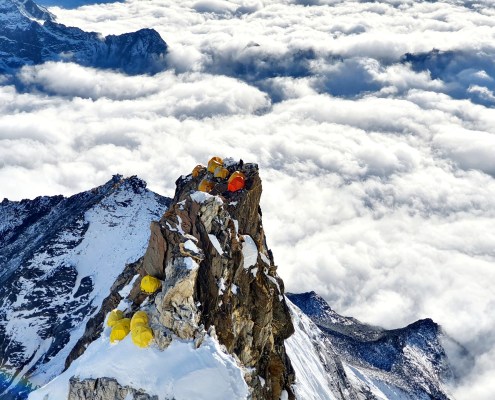
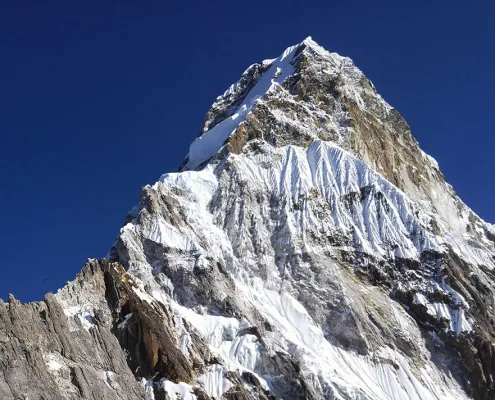
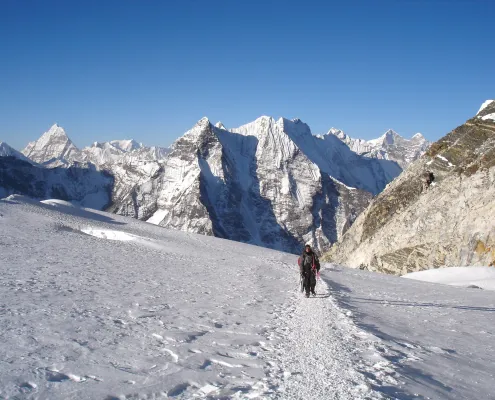
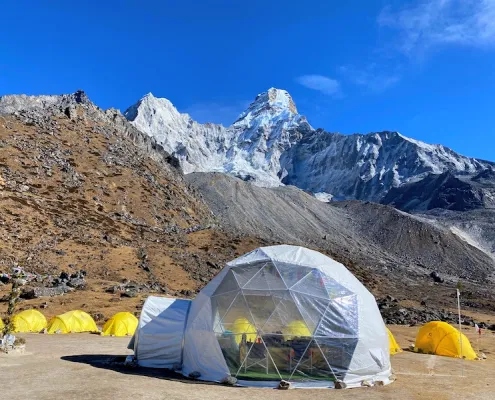
The Ama Dablam + Island Peak combination is designed for climbers who want progressive acclimatization and skill application before attempting one of the most technical peaks in the Himalayas.
The expedition begins with Island Peak (6,165 m) — a demanding but achievable climb involving glacier travel, crevasse crossings, and steep snow walls. This ascent builds altitude tolerance, confidence with crampons, and rope systems. The summit of Island Peak delivers a powerful psychological boost and crucial acclimatization.
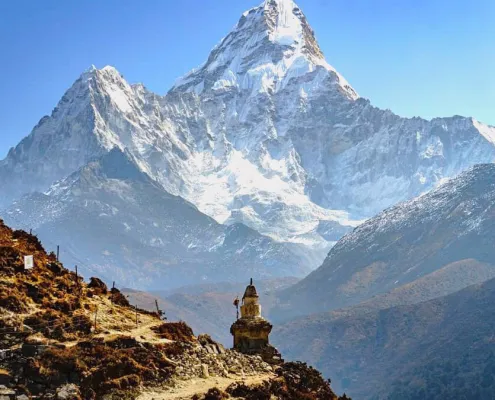
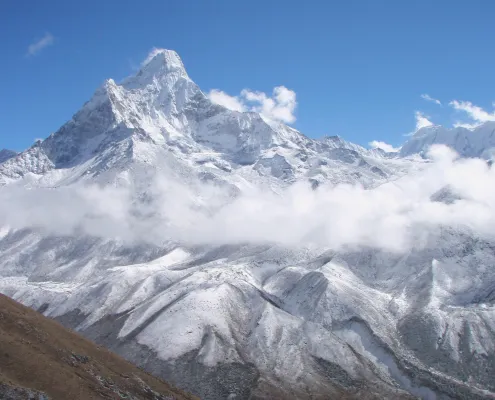
Following recovery, the focus shifts to Ama Dablam (6,812 m) — a sharp escalation in difficulty. Technical rock, ice, and exposed ridges dominate the route, with sustained climbing at extreme altitude. This transition from trekking peak to elite alpine climb makes the combination both logical and highly rewarding.
This itinerary is ideal for experienced climbers seeking serious technical progression and maximum summit readiness before attempting Ama Dablam.
Note: Prices mentioned are applicable for Indian passport holders. For foreign passport holders, the cost may vary. Please connect with the Boots & Crampons team for clarity.
Note: An indemnity document will be shared before the expedition. Signing it is mandatory.
Day 1: Arrival in Kathmandu. Transfer to Hotel
Upon arrival in Kathmandu, you will be warmly welcomed and transferred to your hotel. After check-in, the rest of the day is free for rest and relaxation, allowing you to recover from your journey and prepare for the adventure ahead.
Day 2: Briefing at Department of Tourism & Sightseeing
Today, you will attend an official briefing at the Department of Tourism, where important information regarding expedition regulations and safety guidelines will be provided. Later, enjoy a sightseeing tour of Kathmandu, exploring its historic and cultural landmarks.
Day 3: Fly to Lukla (2,827 M). Trek to Phakding (2,652 M)
In the morning, you will take a scenic flight to Lukla, the gateway to the Everest region. Upon arrival, the trek begins with a gentle walk to Phakding, passing through beautiful Sherpa villages, suspension bridges, and lush forests.
Day 4: Phakding to Namche Bazaar (3,440 M)
Today’s trek follows the Dudh Koshi River, crossing several suspension bridges before beginning the ascent to Namche Bazaar. The trail offers stunning mountain views, and the day ends at the vibrant trading hub of the Khumbu region.
Day 5: Namche Bazaar – Acclimatization Day
This day is dedicated to acclimatization. You will take a short hike to higher elevations and return to Namche to help your body adapt. The rest of the day can be spent exploring Namche Bazaar, visiting local markets, or enjoying panoramic Himalayan views.
Day 6: Trek to Tengboche (3,860 M)
The trek continues through rhododendron forests and along scenic ridgelines toward Tengboche. Upon arrival, you will visit the famous Tengboche Monastery and enjoy breathtaking views of Everest, Lhotse, and Ama Dablam.
Day 7: Trek to Dingboche (4,410 M)
Today’s route descends through forests before crossing alpine terrain toward Dingboche. The landscape becomes more rugged as you gain altitude, with impressive views of surrounding peaks throughout the trek.
Day 8: Dingboche – Acclimatization Day
An important acclimatization day in Dingboche. Short hikes to nearby ridges will help with altitude adjustment, while the remainder of the day is reserved for rest and recovery.
Day 9: Trek to Chhukung (4,730 M)
The trail gradually ascends toward Chhukung, offering spectacular views of Island Peak, Lhotse, and surrounding glaciers. The trek is relatively short, allowing time to relax and prepare for higher elevations.
Day 10: Chhukung – Rest and Preparation Day
A rest day in Chhukung to further acclimatize. You may take short walks, review climbing techniques, and prepare equipment for the upcoming ascent of Island Peak.
Day 11: Trek to Island Peak Base Camp (5,100 M)
Today, you will trek to Island Peak Base Camp. The trail passes through rocky terrain and glacial moraines, leading to the base camp beneath the towering south face of Island Peak.
Day 12: Trek to High Camp (5,345 M)
The trek continues to High Camp, following a steeper and more technical route. Upon arrival, final preparations are made for the summit attempt.
Day 13: Summit Island Peak (6,160 M) and Return to Chhukung
An early morning start for the summit push of Island Peak. After reaching the summit and enjoying panoramic Himalayan views, you will descend carefully and continue back to Chhukung for overnight rest.
Day 14: Trek to Ama Dablam Base Camp (4,600 M)
Leaving Chhukung, you will trek toward Ama Dablam Base Camp. The trail offers magnificent close-up views of Ama Dablam and surrounding peaks, ending at the expedition base camp.
Day 15–25: Ama Dablam Climbing Period (6,812 M)
These days are dedicated to the Ama Dablam climb. Activities include acclimatization rotations, technical training, establishment of higher camps, and the summit push. Progress will depend on weather conditions and team readiness.
Day 26: Ama Dablam Base Camp Clean-Up
A dedicated day for cleaning and packing the base camp, ensuring environmental responsibility and adherence to expedition regulations.
Day 27: Trek to Pangboche (3,985 M)
The descent begins as you trek from Base Camp to Pangboche, passing through alpine landscapes and traditional Sherpa settlements.
Day 28: Trek to Namche Bazaar
Continuing downhill, you will return to Namche Bazaar, where you can enjoy hot showers, meals, and a relaxed evening.
Day 29: Trek to Lukla
The final trekking day follows familiar trails back to Lukla. In the evening, there is time to celebrate the successful completion of the expedition.
Day 30: Fly Back to Kathmandu
You will take an early morning flight from Lukla back to Kathmandu. Upon arrival, transfer to your hotel for rest.
Day 31: De-Briefing at Department of Tourism
Today, you will attend a formal de-briefing at the Department of Tourism, completing the official expedition procedures.
Day 32: Departure for Home
On the final day, you will be transferred to the airport for your onward journey, carrying unforgettable memories of the Himalayas.
Explore the comprehensive metrics of the climb, including altitude changes, climb duration, route specifics, distance, and more. Recorded on Garmin during our 2024 expedition to Island Peak and Ama Dablam (in that order), this data provides an in-depth analysis of what happens on ground zero, helping you prepare better. Click here to explore the data.
Accommodation & Meals
Permits & Expedition Documentation
Domestic Flights & Transfers
Expedition Logistics & Base Camp Services
Climbing Support & High-Altitude Infrastructure
Load Carrying & Staff Support
Safety, Communication & Emergency Preparedness
Additional Services
International Travel & Visa
Personal Equipment & Gear
(Gear is available for rent upon request.)
Insurance & Emergency Costs
Personal Expenses
Expedition Bonuses, Tips & Personal Costs
Permits & Services Not Included
Unforeseen Expenses
General Clause
Please read carefully before registering
At Boots & Crampons, preparation is not optional. The level of training required depends on the duration, altitude, and technical difficulty of the trek or expedition you are signing up for.
Proper preparation increases not just your chances of success, but also your safety and enjoyment in the mountains.

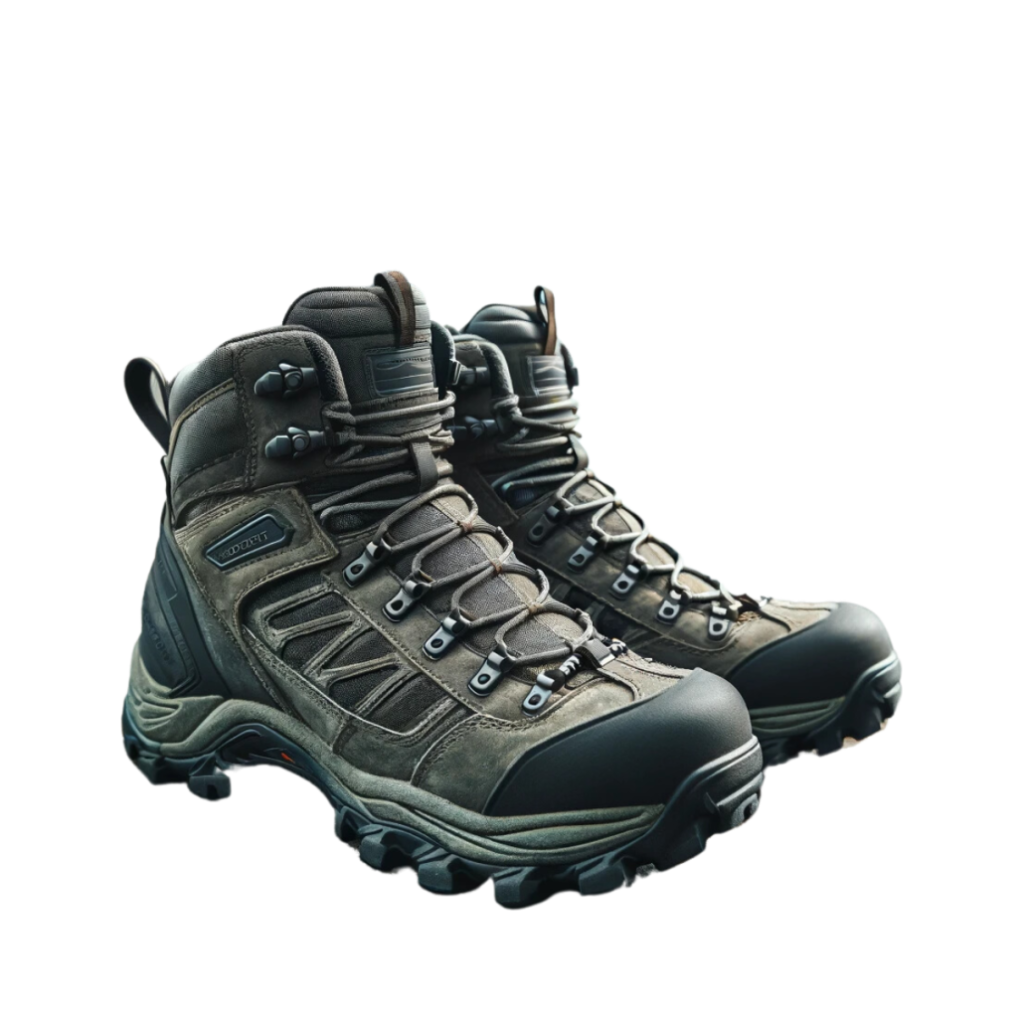
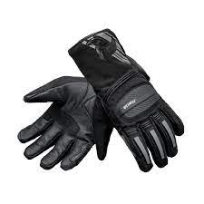


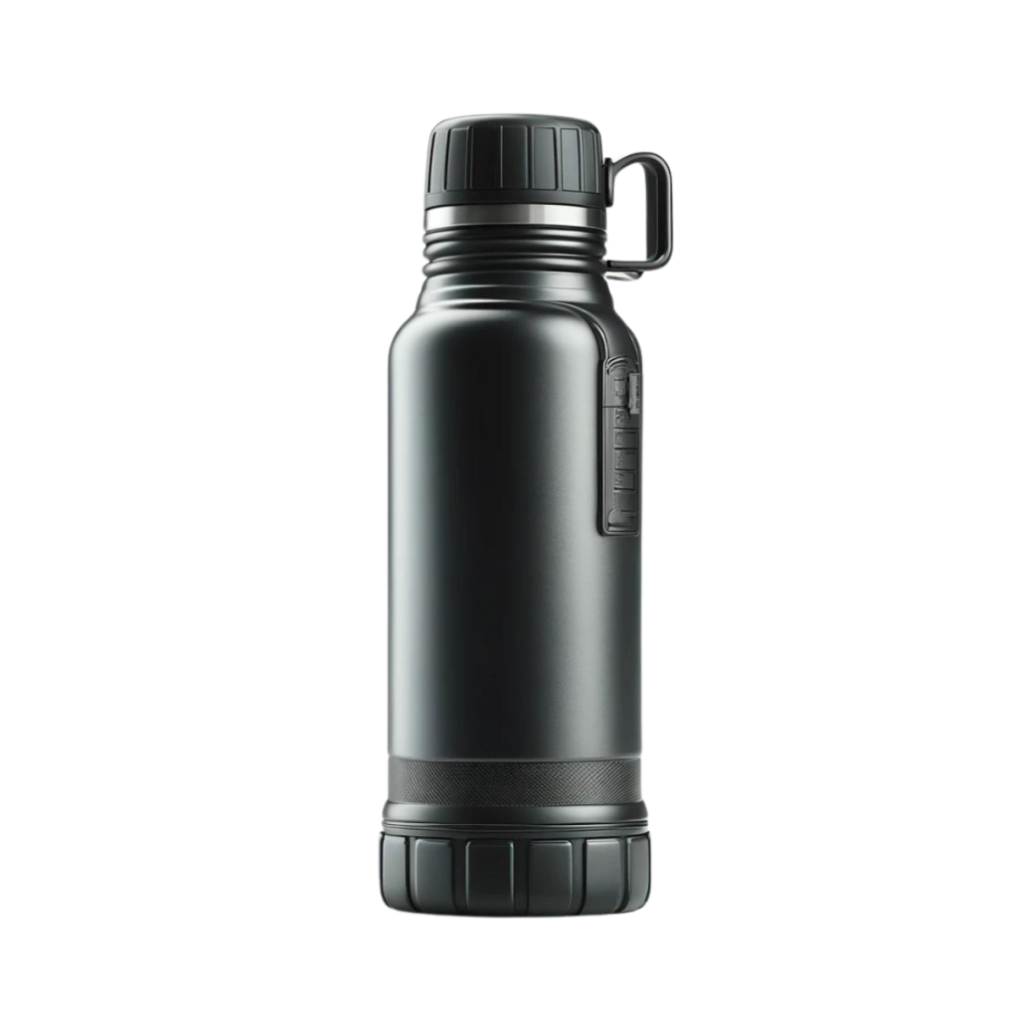


*Rental Gears Required*
Visit our Contracted Business Partner website – Summit Yak
for details on trek-specific rental gears and rates.
This expedition includes both technical mountaineering terrain (Ama Dablam) and a moderate technical peak climb (Island Peak). You’ll encounter rock and ice sections, fixed ropes, snowfields, glaciers, and exposed ridges. The approach trails between camps are also long and challenging due to altitude.
This is a high-level mountaineering combination:
The prime climbing seasons are:
The combined Ama Dablam + Island Peak expedition typically lasts 3–4 weeks, including:
This expedition is not suitable for beginners. You should have:
You’ll need a mix of high-altitude technical gear including:
Water is typically sourced from streams and snowmelt and must be treated. You should use water purification tablets or filters and carry sufficient personal supplies. Always follow the team’s guidance on safe water sources.
Preparation must be comprehensive and long-term:
Boots & Crampons staff of highly trained professional guides is here to make your journey as safe and secure as possible. All of our trekking guides are medically certified and have abundant experience using their training in mountainous environments.
Our safety standards are based on the experiences of our founder, managing risk in some of the world’s most hostile environments.
While we advise our trekkers to carry light, our guides are always prepared with:
Be it queries about the trek, customization or anything else, our team is eager to assist you.
Need your questions answered right away?
Get in touch with us at
Discover similar treks from Boots & Crampons that quench your thirst for adventure.

Discover similar treks from Boots & Crampons that quench your thirst for adventure.