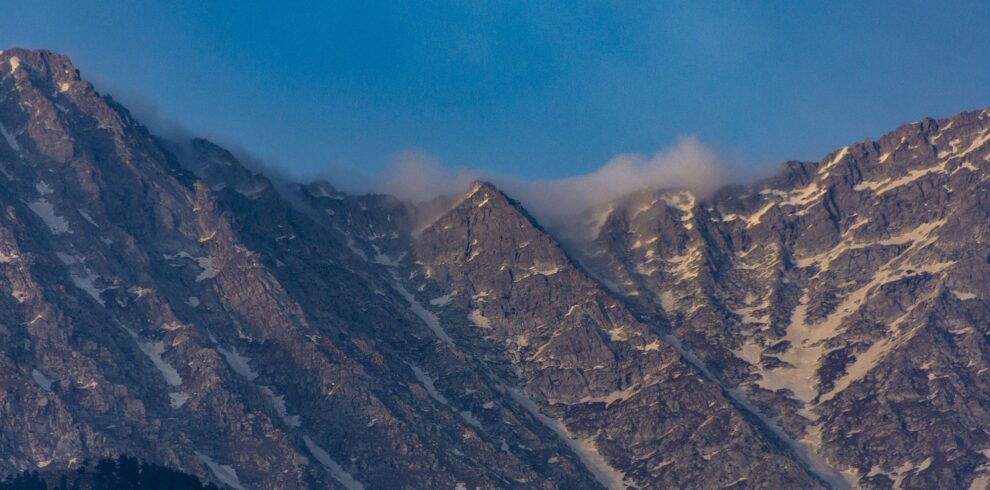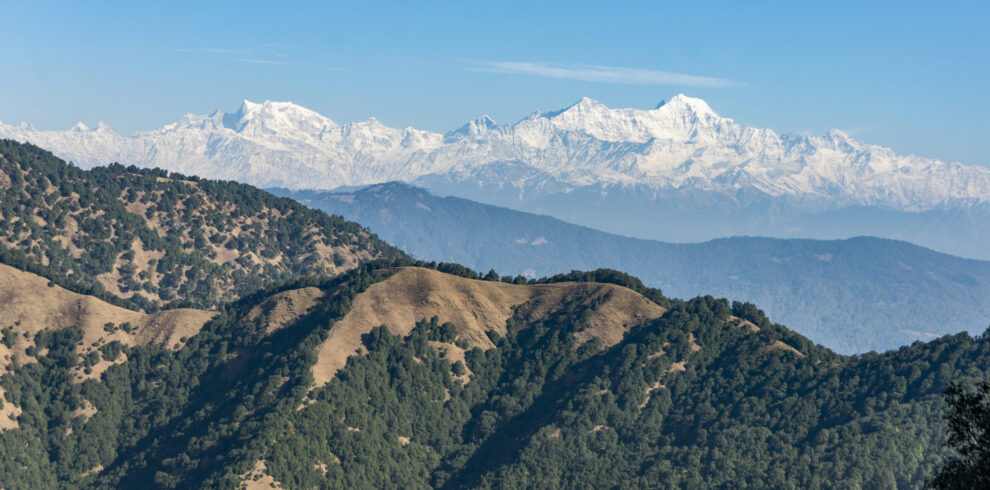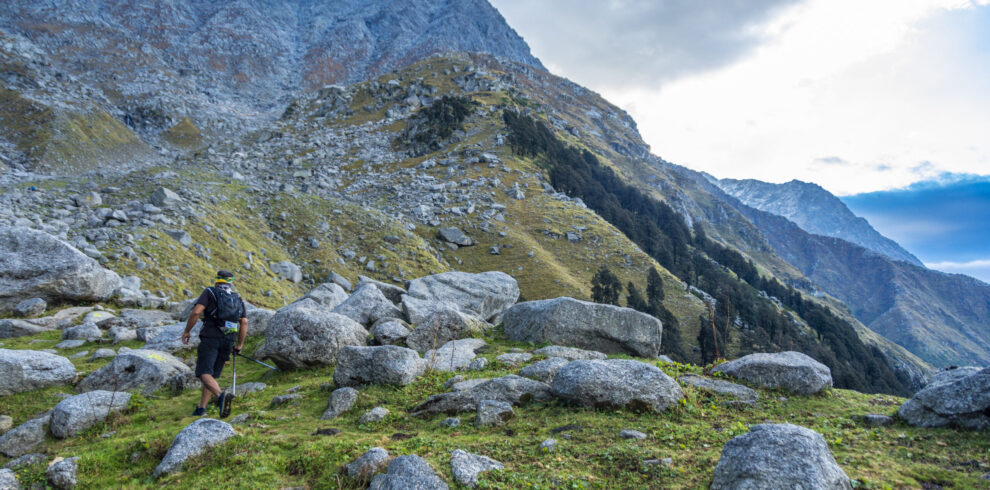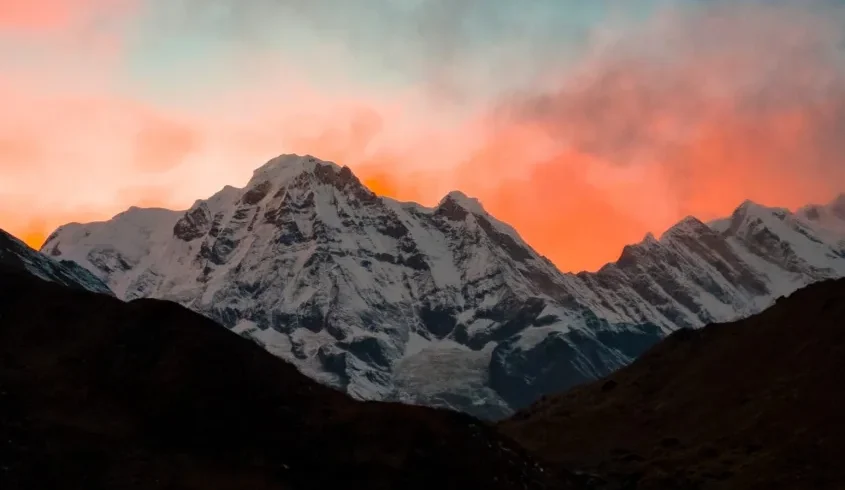
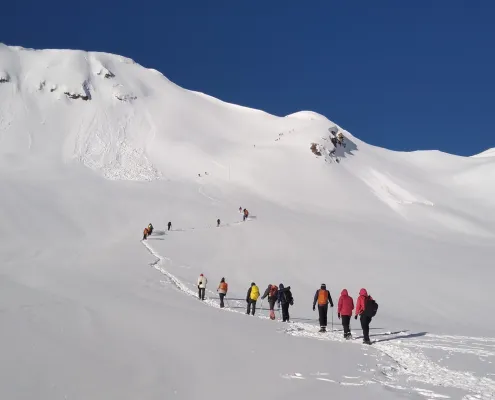
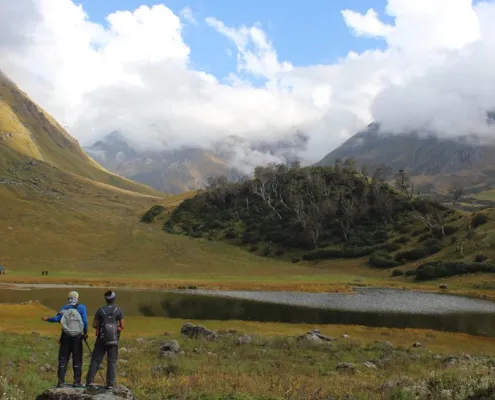
The Bali Pass Trek (4,950 m) is one of the most challenging crossover treks in the Indian Himalayas, linking the Har Ki Dun Valley with the remote Yamunotri region.
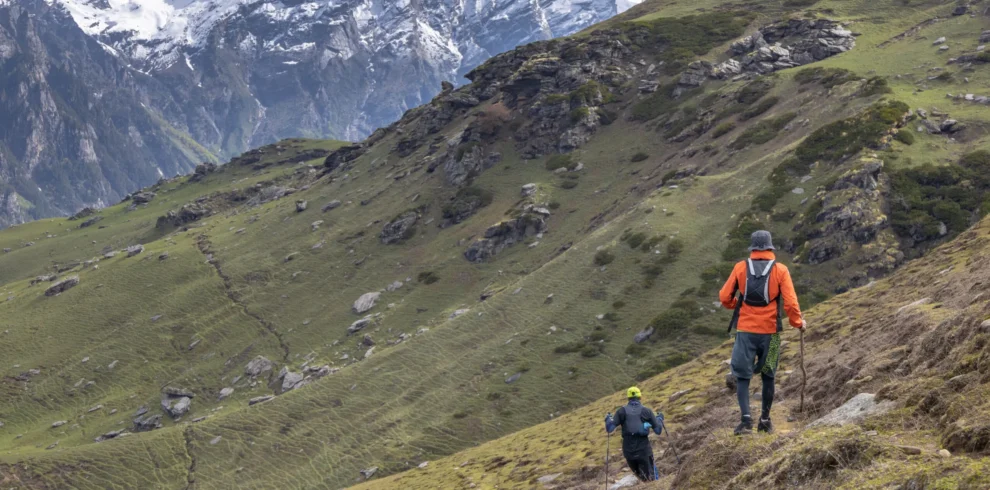
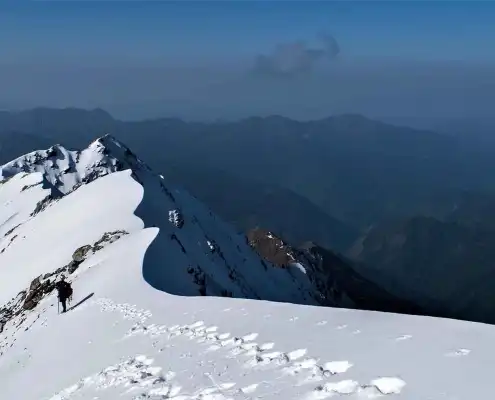
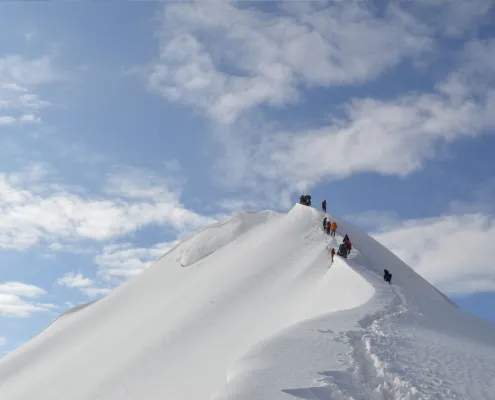
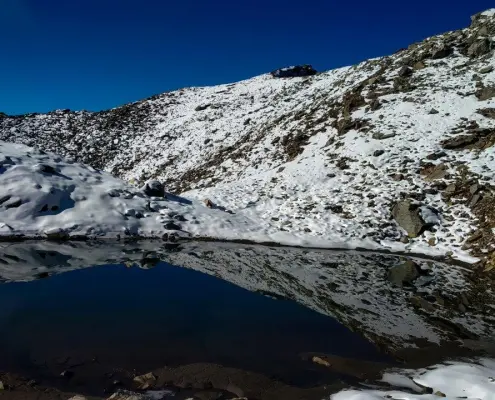
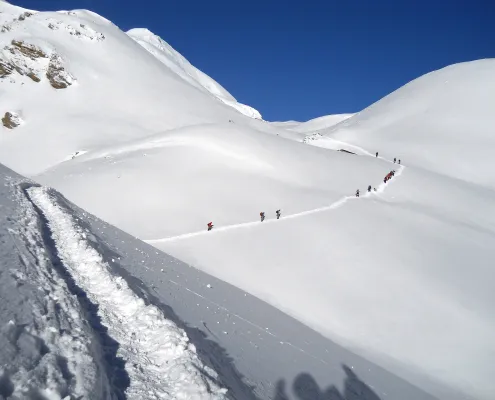
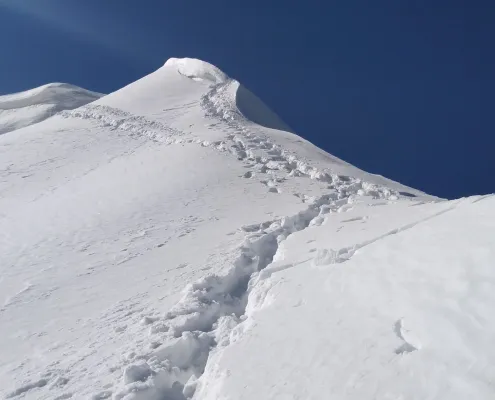
The trail moves from lush pine forests and traditional villages into rugged alpine terrain, glaciers, and steep snow-covered slopes. The Bali Pass crossing is the defining adrenaline moment — a steep ascent often involving snow, followed by a sharp, exposed descent that demands confidence and stamina.
Long trekking days, unpredictable weather, and high altitude make Bali Pass a serious undertaking. This trek is best suited for experienced trekkers who are comfortable with snow travel and prolonged physical effort.
Bali Pass delivers raw adventure, dramatic landscapes, and a deep sense of accomplishment.
Note: Prices mentioned are applicable for Indian passport holders. For foreign passport holders, the cost may vary. Please connect with the Boots & Crampons team for clarity.
Note: An indemnity document will be shared before the trek. Signing it is mandatory.
Day 1: Dehradun – Sankri
We drive from Dehradun to Sankri, a picturesque village and the base for several Himalayan treks. The scenic journey passes through river valleys, pine forests, and small mountain towns. Upon arrival, we check into our guesthouse. The rest of the day is free to relax and prepare for the trek. Overnight in a guesthouse.
Day 2: Sankri (1,920m) – Taluka (2,107m) – Chilud Gad / Seema (2,560m)
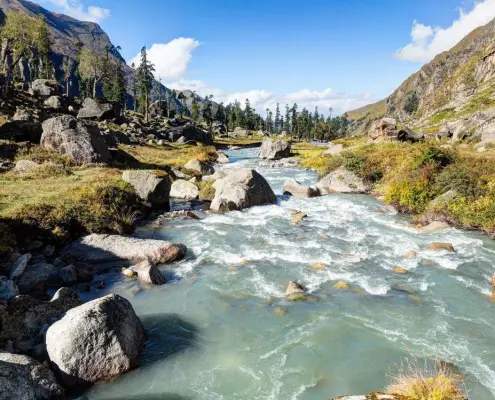
After breakfast, we drive to Taluka, the starting point of our trek. From here, we begin a scenic trek through dense forests, crossing wooden bridges and streams as we follow the Supin River. The trek is approximately 12 km and takes around 6 to 7 hours. Overnight at camp in Chilud Gad or Seema.
Day 3: Chilud Gad / Seema – Devsu Bugyal (2,985m)
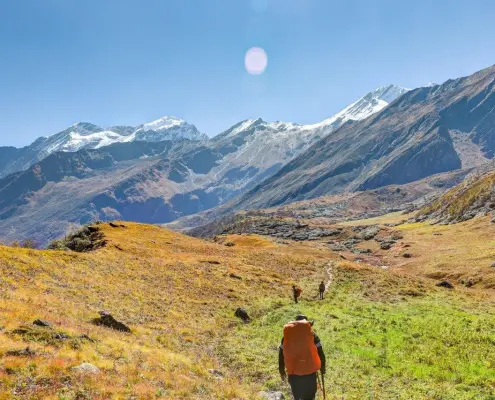
Today’s trek takes us through lush alpine meadows and pine forests, gradually gaining altitude. The trail opens up to beautiful bugyals offering expansive mountain views. The trek is around 6 km and takes approximately 4 to 5 hours. Overnight at camp in Devsu Bugyal.
Day 4: Devsu Bugyal – Ruinsara Tal (3,570m)
We continue trekking through scenic landscapes toward the stunning alpine lake of Ruinsara Tal. Surrounded by towering Himalayan peaks, the lake is a perfect place for acclimatization and rest. The trek covers approximately 10 km and takes around 4 to 5 hours. Overnight at camp near Ruinsara Tal.
Day 5: Ruinsara Tal – Odari (4,008m)
Leaving Ruinsara Tal, we begin a steady ascent toward Odari. Though shorter in distance, the trail gains altitude and requires a slow, consistent pace. The trek is approximately 4 km and takes around 3 hours. Overnight at camp in Odari.
Day 6: Odari – Advance Base Camp (4,678m)
Today, we continue ascending toward Advance Base Camp, following a gradual but steady climb. The trek is around 3.25 km and takes approximately 3 hours. The remainder of the day is spent resting, hydrating, and preparing for the next day’s challenging high pass crossing. Overnight at camp.
Day 7: Advance Base Camp – Bali Pass (4,950m) – Lower Dhamni (3,415m)
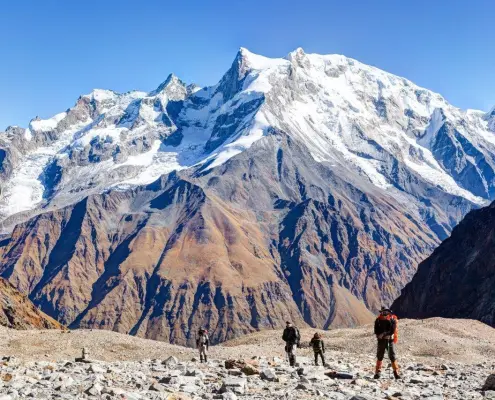
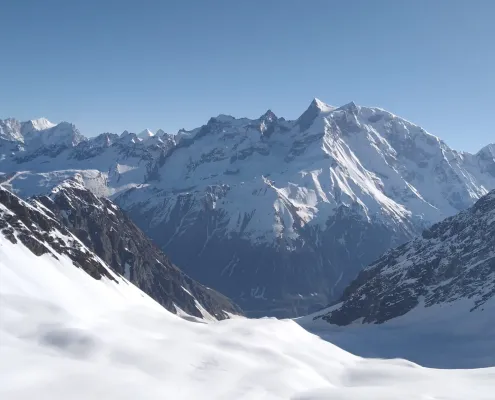
This is the most challenging and rewarding day of the trek. We start early for the ascent to Bali Pass, crossing snowfields and steep terrain. After reaching the pass and enjoying panoramic views of the surrounding peaks, we begin a long descent toward Lower Dhamni. The trek covers approximately 10 km and takes around 8 to 10 hours. Overnight at camp.
Day 8: Lower Dhamni – Jaan Ki Chatti (2,650m) – Dehradun
We trek down through forests and along mountain trails to reach Jaan Ki Chatti, passing through the sacred Yamunotri area. The trek is approximately 9.5 km and takes around 4 to 5 hours. From here, we drive back to Dehradun, marking the end of our adventure.
Transportation
Accommodation
Meals
Trek Leadership & Support Staff
Equipment & Safety
Permits & Fees
Additional Benefits
Travel & Transportation Outside Trek Itinerary
Personal Equipment & Gear
Personal Expenses
Insurance & Medical
Miscellaneous
Please read carefully before registering
At Boots & Crampons, preparation is not optional. The level of training required depends on the duration, altitude, and technical difficulty of the trek or expedition you are signing up for.
Proper preparation increases not just your chances of success, but also your safety and enjoyment in the mountains.

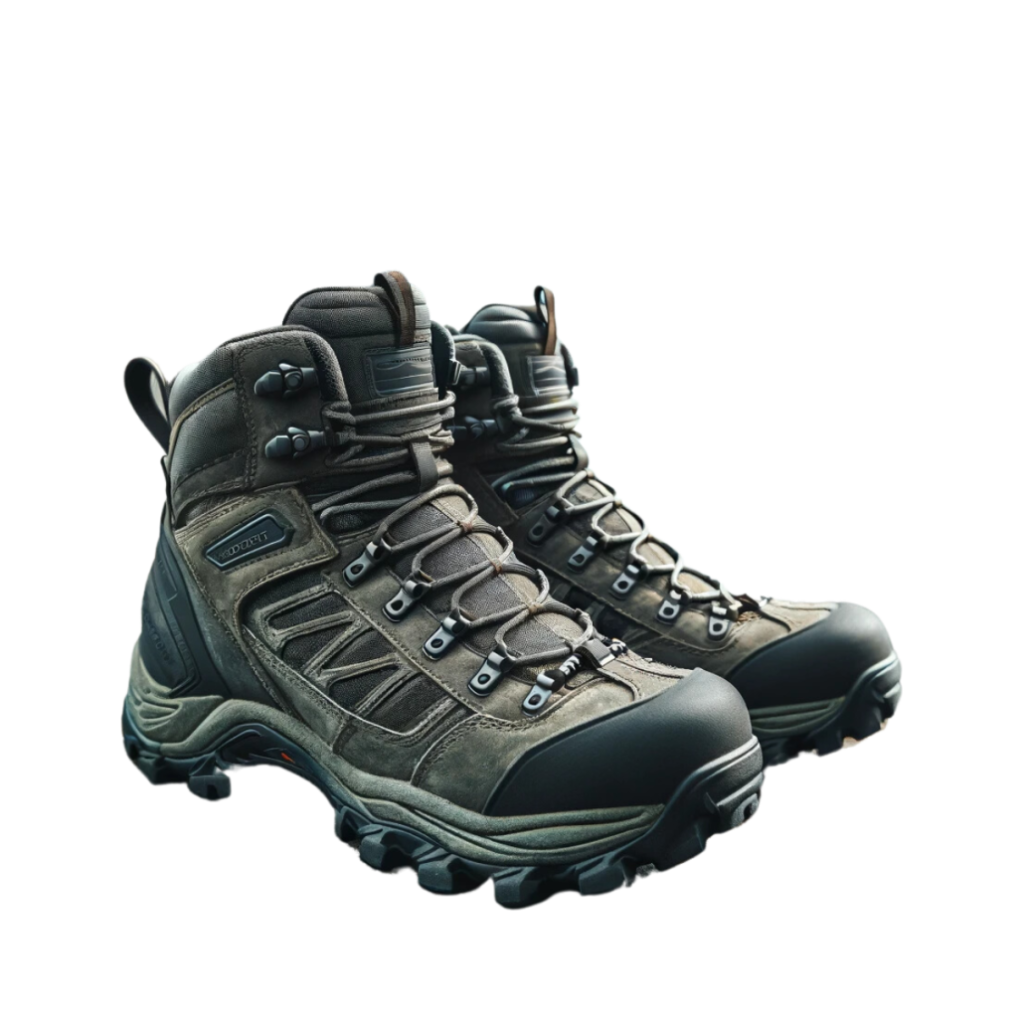
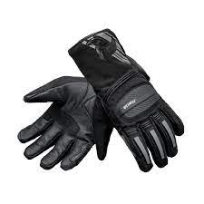

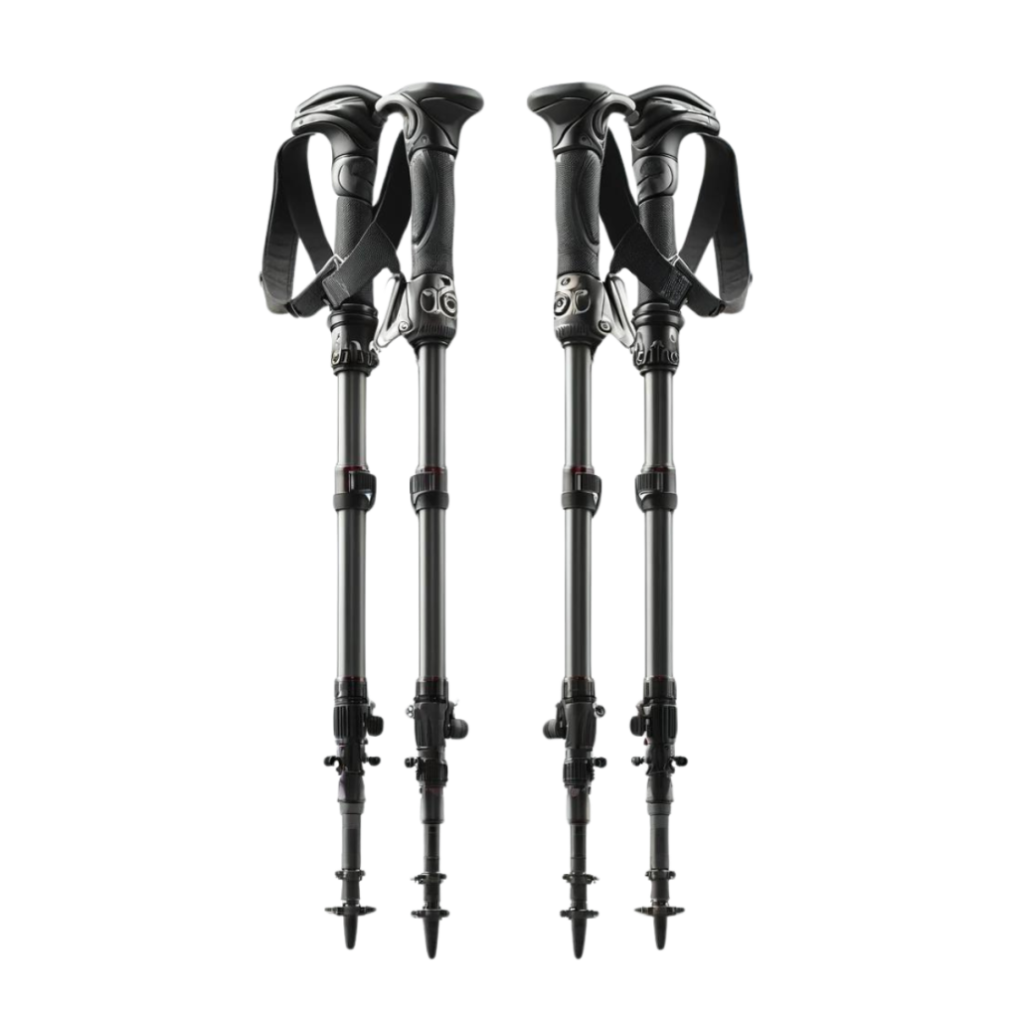
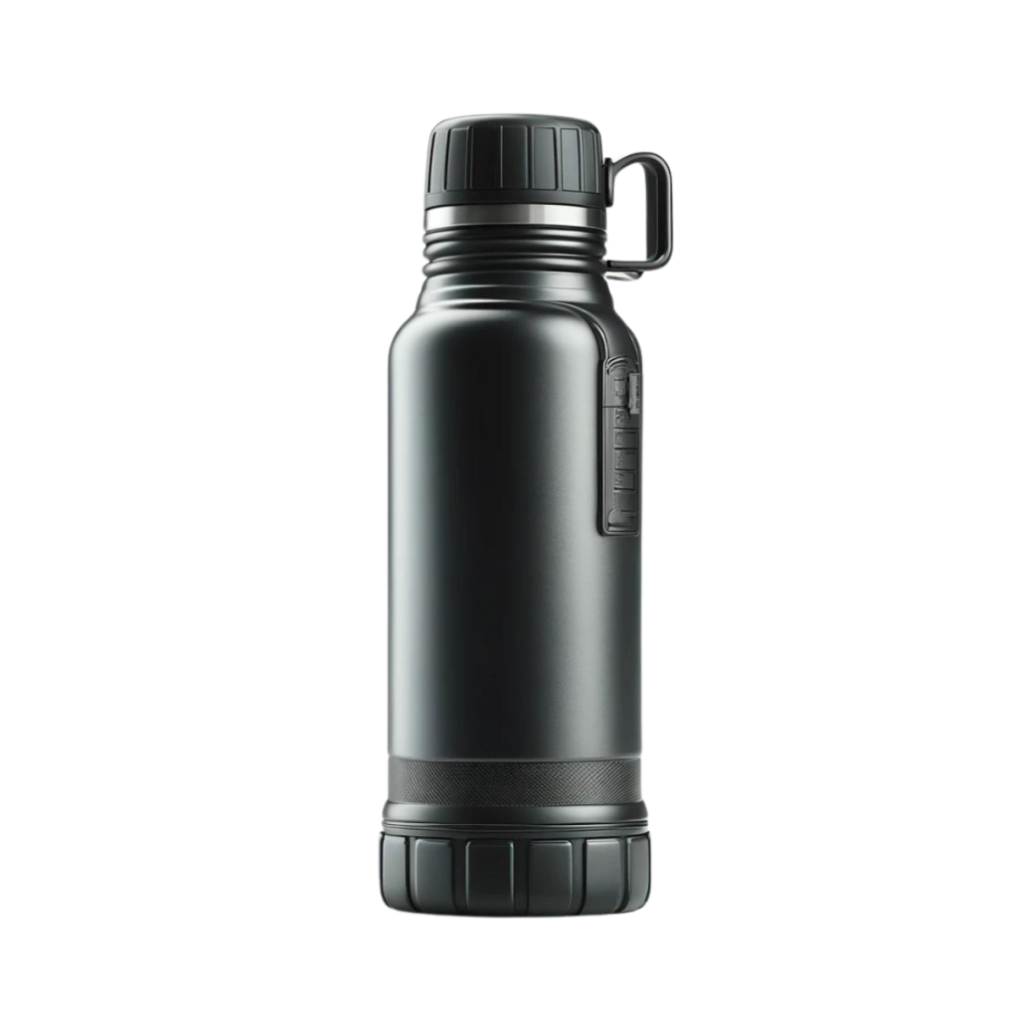


*Rental Gears Required*
Visit our Contracted Business Partner website – Summit Yak
for details on trek-specific rental gears and rates.
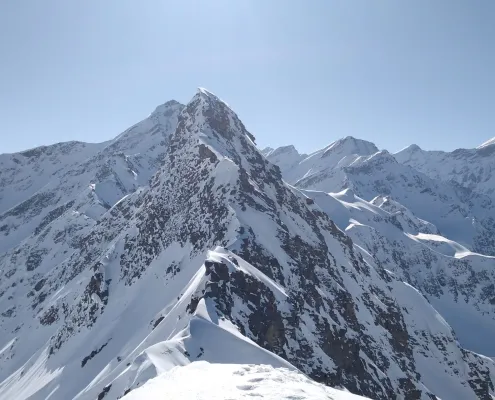
The trek includes varied Himalayan terrain—lush forests, alpine meadows, rocky trails, steep ascents and descents, and high ridgelines before reaching the pass. The terrain challenges both endurance and footwork.
The highest point is Bali Pass at approximately 4,950 m (16,200 ft), where the air is thin and acclimatisation becomes important.
This trek is challenging and demanding. It involves long walking days with steep climbs, narrow ridges, and high-altitude exposure. It is not recommended for first-time trekkers or those without prior trekking experience.
Typical itineraries are around 7–8 days, covering approximately 66–70 km from the start village to the finish point.
The ideal windows are:
You need to be physically fit and trekking-ready. Prior trekking experience at altitude and good cardiovascular endurance are important. Long uphill walks with a backpack and stair training are recommended in advance.
➡️ Please review the Trek Preparation Guide section for detailed fitness and training requirements.
You should be prepared with:
➡️ A complete packing list is given in the Preparation Guide.
Water is available from natural sources and lodges, but it should be treated or purified before drinking to avoid illness. Carrying a personal purification method is recommended.
Accommodation is typically in guesthouses at the start and tents during the trek, particularly near high camps and pass approaches.
The Bali Pass Trek offers a rewarding Himalayan adventure that combines natural beauty with a significant physical challenge. Proper fitness, preparation, and readiness for high-altitude trekking make the experience enjoyable and safe.
Boots & Crampons staff of highly trained professional guides is here to make your journey as safe and secure as possible. All of our trekking guides are medically certified and have abundant experience using their training in mountainous environments.
Our safety standards are based on the experiences of our founder, managing risk in some of the world’s most hostile environments.
While we advise our trekkers to carry light, our guides are always prepared with:
Be it queries about the trek, customization or anything else, our team is eager to assist you.
Need your questions answered right away?
Get in touch with us at
Discover similar treks from Boots & Crampons that quench your thirst for adventure.

Discover similar treks from Boots & Crampons that quench your thirst for adventure.