EBC THREE PASSES

5600 Meters | Nepal

23rd Mar 2026 | 10th Apr 2026 | 15th Apr 2026 (Full) | 22nd Apr 2026 (Full) | 7th May 2026 | 22 May 2026 | 13th Sep 2026 | 29th Sep 2026 | 22nd Oct 2026 | 12th Nov 2026 | 20th Dec 2026

DIFFICULTY

Moderate - Difficult

DURATION

20 Days

BEST TIME

April – May
Sept – Oct

COST

INR 1,77,500 + 5% GST

overview

The Everest Base Camp + Three Passes Trek is widely regarded as the ultimate non-technical trekking challenge in Nepal. This epic journey links three high Himalayan passes — Renjo La (5,360 m), Cho La (5,420 m), and Kongma La (5,535 m) — along with Everest Base Camp and Gokyo.

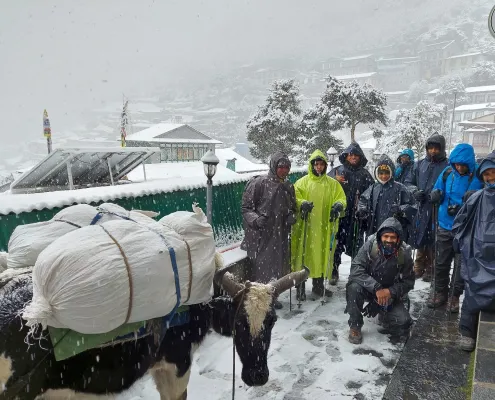
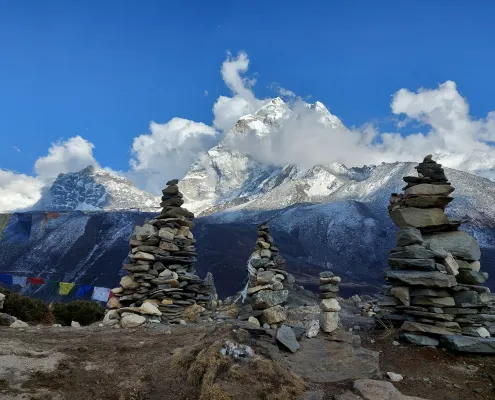
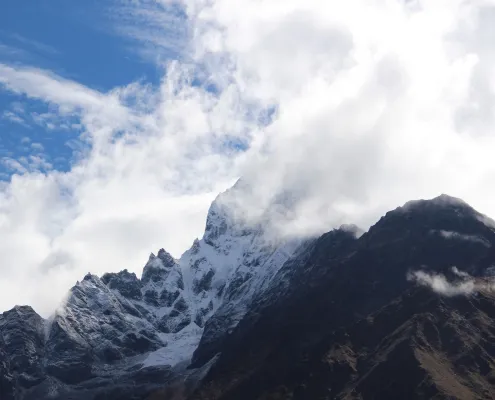
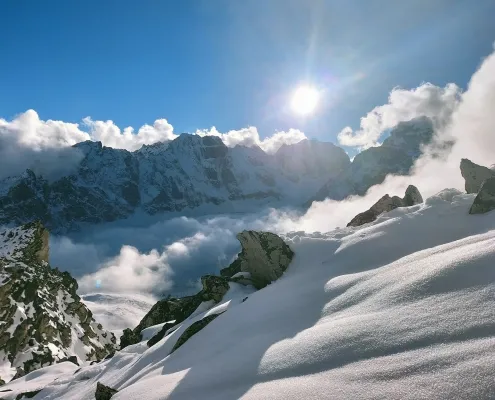
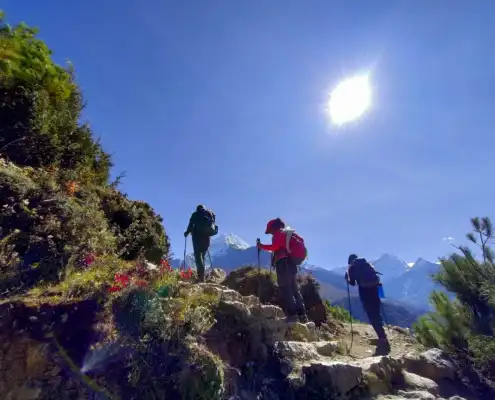
Each pass crossing is demanding, involving long climbs, exposed ridgelines, snowfields, and thin air. Days are long, conditions can be harsh, and recovery becomes just as important as movement. The reward is unmatched — remote valleys, endless glaciers, and panoramic Himalayan views few trekkers ever witness.

This trek requires excellent fitness, prior high-altitude experience, and strong mental resilience. The sense of achievement after completing all three passes is immense — this is not just a trek, but a true Himalayan endurance test.

Ideal for experienced trekkers seeking a no-compromise adventure, the Three Passes route defines what it means to earn every step in the mountains.

Note: Prices mentioned are applicable for Indian passport holders. For foreign passport holders, the cost may vary. Please connect with the Boots & Crampons team for clarity.
Note: An indemnity document will be shared before the trek. Signing it is mandatory.

ITINERARY

Day 1 – Arrival in Kathmandu (1,345 m)
Arrive in Kathmandu and spend the day exploring the city’s heritage sites, shopping for essentials, and making final preparations for the trek.


Day 2 – Fly to Lukla (2,840 m) & Trek to Phakding (2,610 m) / Ghat (2,695 m)
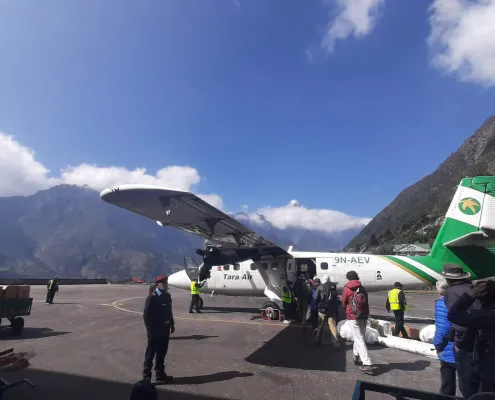
Late night drive from Kathmandu to Ramechap, and then an early flight to Lukla, enjoying mountain views during the scenic landing. Begin your trek with a gentle walk along the Dudh Koshi River, passing villages like Chaurikharka. Cross suspension bridges and reach Phakding or Ghat for the night.


Day 3 – Trek from Phakding/Ghat to Namche Bazaar (3,440 m)
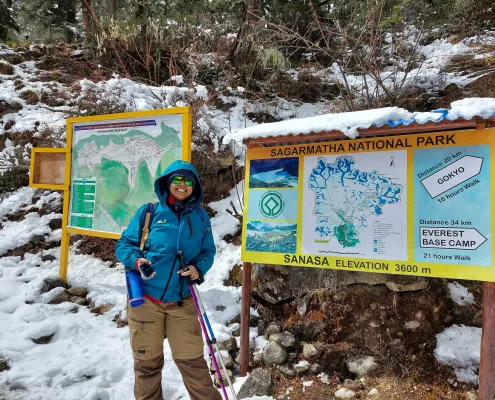
Ascend through forests and across suspension bridges, entering Sagarmatha National Park before reaching the vibrant Sherpa town of Namche Bazaar.


Day 4 – Acclimatization Hike to Everest View Hotel & Visit Everest Museum
Short hike to Everest View Hotel for panoramic views of Everest and surrounding peaks, followed by a visit to the Sherpa Culture Museum.


Day 5 – Trek from Namche to Deboche (3,860 m)
Pass through Tengboche, home to a famous monastery, and descend to the quiet village of Deboche for the night.


Day 6 – Trek from Deboche to Dingboche (4,430 m)
Gradually ascend past rivers and rhododendron forests toward the alpine landscapes of Dingboche.


Day 7 – Acclimatization Hike to Nangkarshang (5,066 m)
A crucial acclimatization day with a challenging hike to Nangkarshang Peak, offering incredible views. Return to Dingboche.


Day 8 – Trek from Dingboche to Chukhung (4,730 m)
A short trek through a high-altitude valley surrounded by towering peaks leads to Chukhung.


Day 9 – Trek from Chukhung to Lobuche (4,910 m)
Head back on the main route through the Khumbu Valley, ascending towards the glacier moraine of Lobuche.


Day 10 – Trek to Everest Base Camp (5,364 m) & Return to Gorakshep (5,140 m)
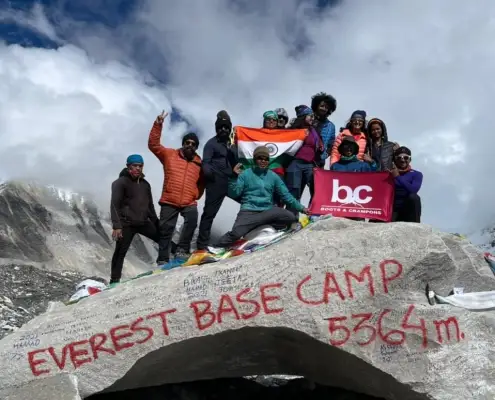
Reach the iconic Everest Base Camp and stand at the foot of the world’s highest mountain. Return to Gorakshep for the night.

Day 11 – Trek from Gorakshep to Kala Patthar (5,550 m) & to Dzongla (4,830 m)
Start early to summit Kala Patthar for stunning sunrise views of Mount Everest, then descend and trek to Dzongla via a scenic trail.


Day 12 – Trek from Dzongla to Dragnak (Draknak)
Cross the challenging Cho La Pass (5,420 m)—an icy and steep section—and descend to Dragnak on the other side of the glacier.


Day 13 – Trek from Dragnak to Gokyo (5,000 m)
Navigate the Ngozumpa Glacier, the largest in Nepal, to reach the beautiful lakeside village of Gokyo.


Day 14 – Rest Day at Gokyo
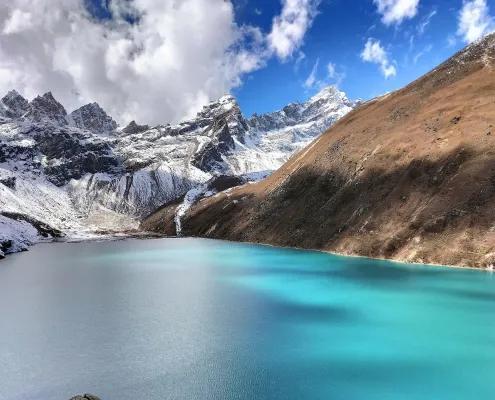
Take a day to relax and explore the Gokyo Lakes, or opt for an optional hike to Gokyo Ri (5,360 m) for panoramic views of Cho Oyu, Everest, Lhotse, and Makalu.


Day 15 – Trek from Gokyo to Renjo La Pass (5,360 m) & to Lumden (4,370 m)
Cross the third high pass, Renjo La, offering dramatic views of Everest and Gokyo Valley, then descend into the quiet valley of Lumden.


Day 16 – Trek from Lumden to Namche Bazaar (3,440 m)
Continue through alpine terrain and descend to Namche, back into the bustling heart of the Khumbu region.


Day 17 – Trek from Namche to Lukla (2,840 m)
Final descent through forests and villages. Celebrate the trek with the team in Lukla.


Day 18 – Fly to Kathmandu

Take a morning flight from Lukla to Ramechap & then drive to Kathmandu. Spend the afternoon at leisure—relax, go café-hopping, or explore more of the capital city.


Day 19 – Buffer Day / Sightseeing around Kathmandu
Explore Kathmandu’s cultural gems: Boudhanath, Swayambhunath, Pashupatinath, and Durbar Square.


Day 20 – Fly Back Home
Departure day. Say goodbye to Nepal and fly back home with unforgettable memories.

INCLUSIONS

  • Accommodation

    • 3 nights’ accommodation in Kathmandu at a 4-Star category hotel on twin-sharing basis, including breakfast.
    • Best available tea house accommodation during the trek on twin-sharing basis wherever possible.
    • Tea House with attached washrooms will be provided where available. (Attached washrooms are not available at Lobuche and Gorakshep due to remote high-altitude limitations.)
    • If the buffer day in Kathmandu is not utilized for flight delays, accommodation remains included as per itinerary.

    Meals During Trek

    • All meals during the trekking period (breakfast, lunch, and dinner).
    • Participants may choose one standard menu item per meal (breakfast, lunch, and dinner). Additional items or personal orders will be charged separately.
    • Tea, coffee, or hot beverages such as ginger-lemon-honey are included with meals during the trek.

    Transportation & Flights

    • Airport pick-up and drop-off services in Kathmandu.
    • Ground transfers between Kathmandu and Ramechhap via private vehicle.
    • Domestic flights between Ramechhap – Lukla – Ramechhap, including applicable domestic airport taxes.
    • All transportation required as per the trekking itinerary.

    Trekking Permits & Documentation

    • Sagarmatha National Park Entry Permit.
    • Khumbu Region local permits.
    • All applicable trekking permits, entry fees, and government taxes.

    Guide, Porter & Trek Support

    • Experienced English and Hindi-speaking trekking guides.
    • Porter and/or Yak support for carrying personal luggage, limited to 10 kg per participant.
    • Insurance coverage, wages, meals, accommodation, and equipment for all Nepali support staff.

    Buffer Day Support

    • One buffer day built into the itinerary to accommodate potential flight delays.
    • If not required for flight adjustments, this day may be used for rest or exploration in Kathmandu (personal expenses not included).

    Expedition Management & Safety

    • Complete trek coordination and logistics management by Boots & Crampons expedition team.
    • Comprehensive first aid medical kit carried by trek leaders and support staff.

    Boots & Crampons Merchandise & Support

    • Official Boots & Crampons expedition merchandise, including:
      • Duffel Bag
      • Buff
      • T-shirt
      • Finisher Certificate
      • Finisher Medal
    • Exclusive participant discount on Fast&Up nutrition products.

EXCLUSIONS

  • International Travel & Visa

    • International airfare to and from Nepal.
    • Nepal Entry Visa fee.

    Meals in Kathmandu

    • Lunch and dinner in Kathmandu (except farewell dinner if included separately).

    Insurance & Emergency Expenses

    • Mandatory personal travel insurance covering:
      • High-altitude trekking
      • Emergency evacuation and helicopter rescue
      • Medical treatment and hospitalization
    • Emergency evacuation costs, including helicopter rescue if required.

    Personal Expenses

    • Personal expenses including:
      • Bottled water, beverages, and alcoholic drinks
      • Specialty coffee, snacks, and personal food purchases
      • Phone calls, internet usage, battery charging, and laundry
      • Hot showers and other personal comfort services at tea houses

    Personal Equipment & Gear

    • Personal trekking gear, including:
      • Sleeping bag
      • Down jacket
      • Trekking shoes and clothing
      • Personal trekking equipment

    (Gear can be hired upon request.)

    Tips & Staff Gratuities

    • Tips and gratuities for trekking guides, porters, and support staff (customary but optional).

    Additional & Unforeseen Expenses

    The following situations may incur additional costs and are not included:

    • Additional hotel stays in Kathmandu or Lukla due to flight delays, weather conditions, or unforeseen circumstances.
    • Additional transportation costs due to itinerary changes or personal requests.
    • Room upgrades, early check-in, or late check-out at hotels.
    • Costs arising from early departure from the trek due to personal reasons or medical evacuation.
    • Helicopter return requests during the trek.
    • Any deviation from the planned itinerary initiated by the participant.

    No refunds will be provided for unused services once the trek has commenced.

    General Clause

    Any service, activity, or expense not explicitly mentioned in the “Inclusions” section will be considered excluded.

PREPARATION GUIDE

Please read carefully before registering

At Boots & Crampons, preparation is not optional. The level of training required depends on the duration, altitude, and technical difficulty of the trek or expedition you are signing up for.

  • Have some previous trekking / mountaineering Experience.
  • Weight train the body. Walk uphill or stairs steps with a weighted back pack.
  • Strength training for the lower body and core. Do planks, crunches and cycling.
  • Trekking to EBC requires a fit body and a conscious mind. One needs to be exercising regularly for the past 3-4 months.
  • Any high altitude trek requires you to build a good amount of cardiovascular endurance. Jogging is the best exercise to increase your stamina.
  • You need strong legs to success fully finish a high altitude trek. Squats are the best way to build leg strength quickly. Especially your thighs, glutes and knees.
  • For detailed advice and coordination, we’ll have a WhatsApp group.

Proper preparation increases not just your chances of success, but also your safety and enjoyment in the mountains.
THINGS TO PACK

For Your Head:

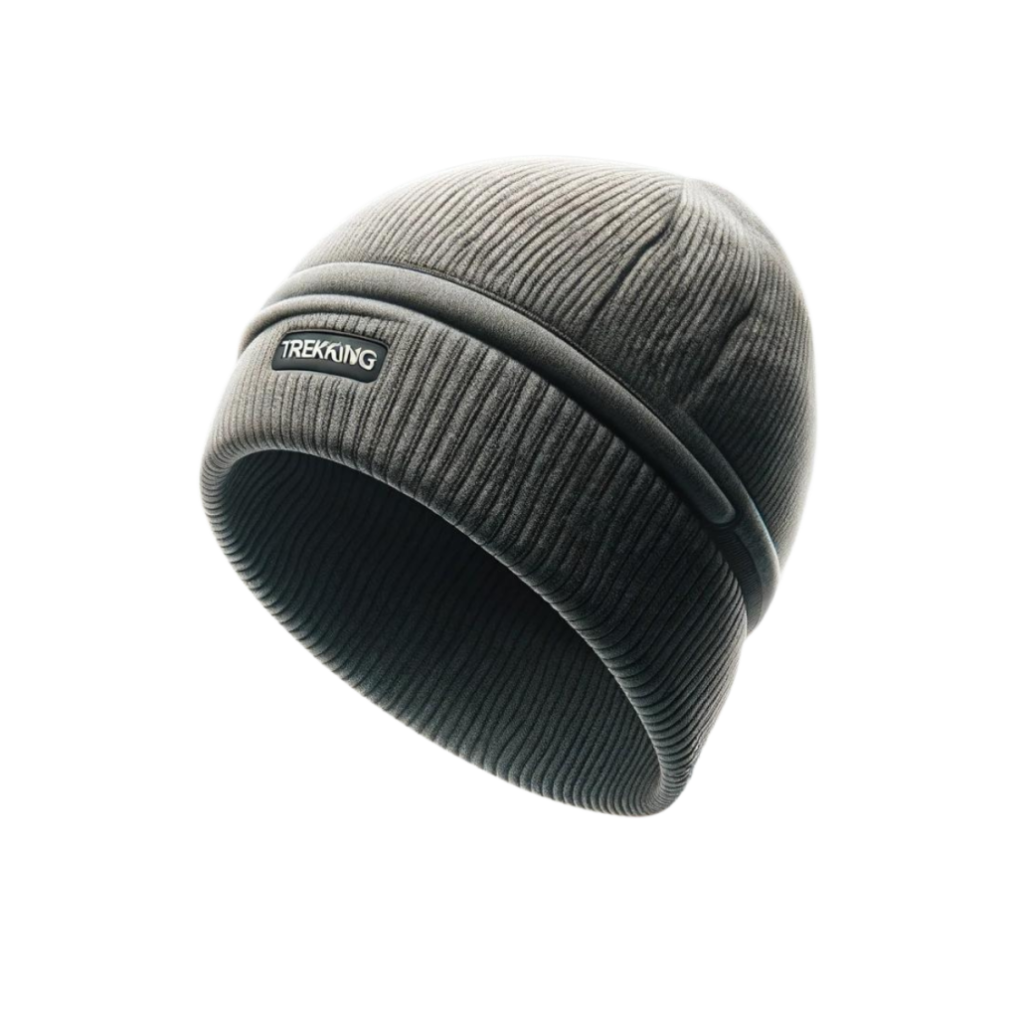
  • Woolen warm cap to protect against cold winds
  • Balaclava for extra warmth
  • Bandana (can be used as a sweatband or to cover your face from dust)

For Your Feet:

  • 4-5 pairs of regular socks
  • 1-2 pair of thick woolen socks for warmth
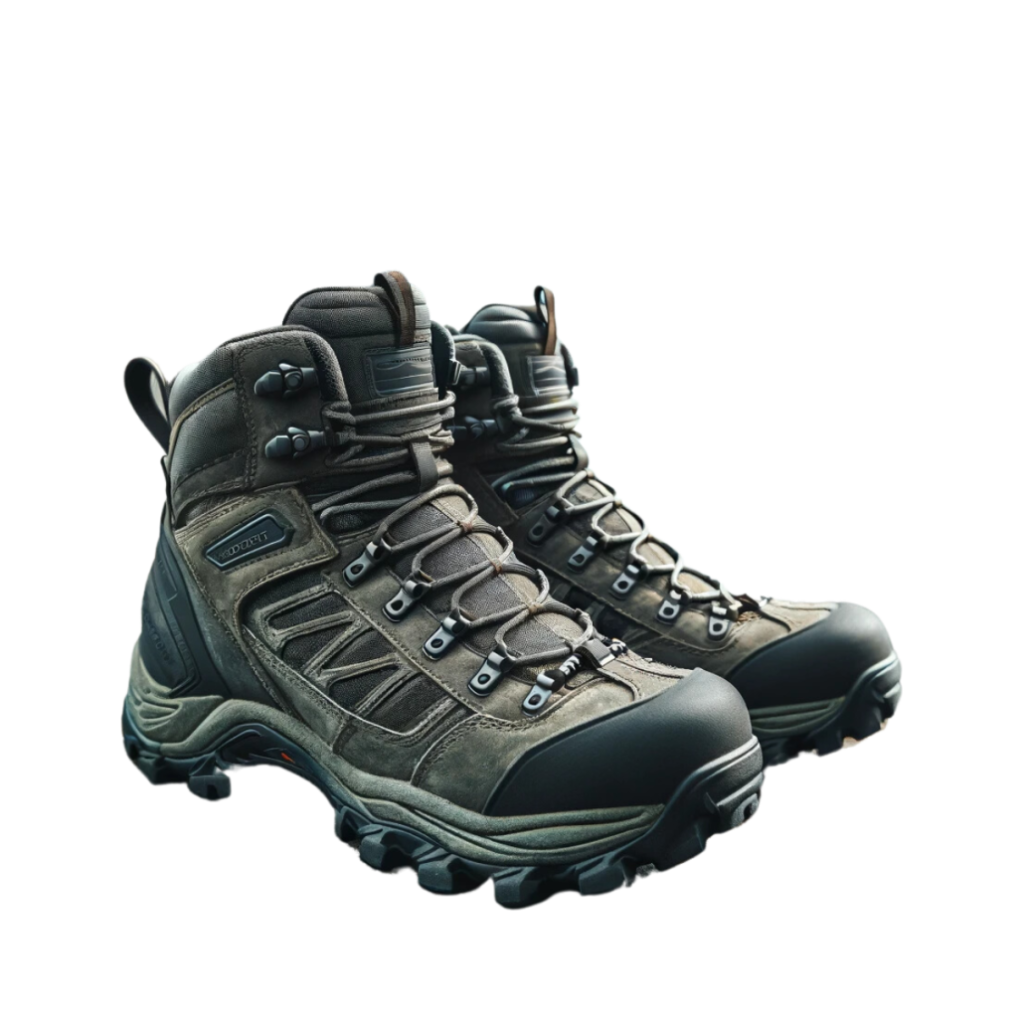
  • Trekking boots with ankle support and good grip
  • Extra pair of comfortable sneakers or shoes to wear at the Tea House

For Your Hands:

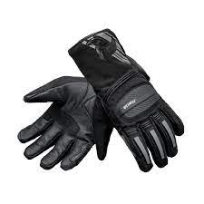
  • 1-2 pairs of warm inner gloves
  • 1 pair of waterproof gloves to keep your hands dry
  • Hand warmers (optional, but useful in very cold weather)
  • A pair of fleece gloves for extra insulation

Clothing: The Armor of the Adventurer:

  • 1 pair of thermal innerwear (top and bottom) for base warmth
  • 2 pairs of lightweight, quick-dry trekking pants
  • 1 pair of windproof and waterproof Gore-Tex trousers
  • 1 Gore-Tex or waterproof jacket for wind and rain protection
  • 1 poncho (optional) for sudden rain
  • 1-2 fleece jacket for light warmth
  • 3–4 full-sleeve dry-fit T-shirts for layering
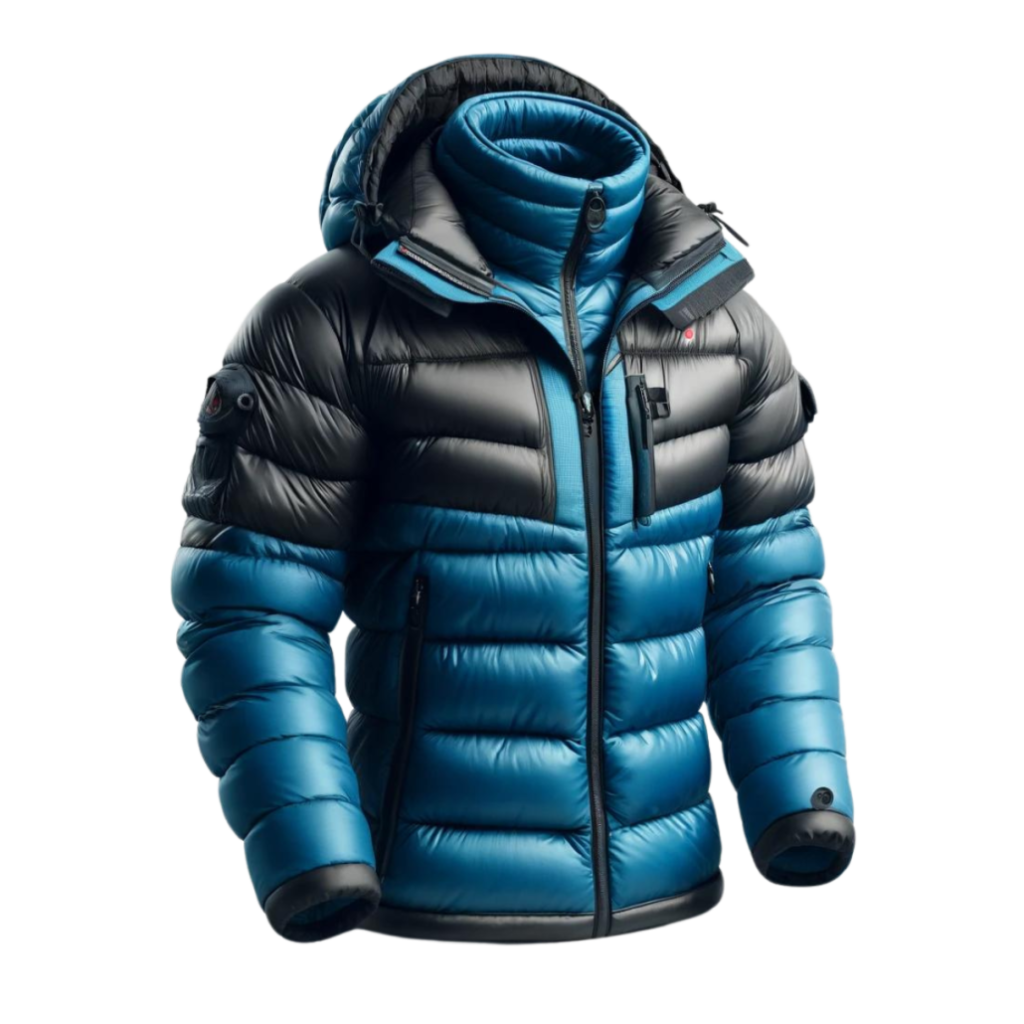
  • 1 heavy down or padded jacket (800-900 Fills) for extreme cold

Navigational & Survival Gear:

  • 20-30L Backpack (for water, snacks, fleece, etc.)
  • 50-60L Backpack / Duffle Bag
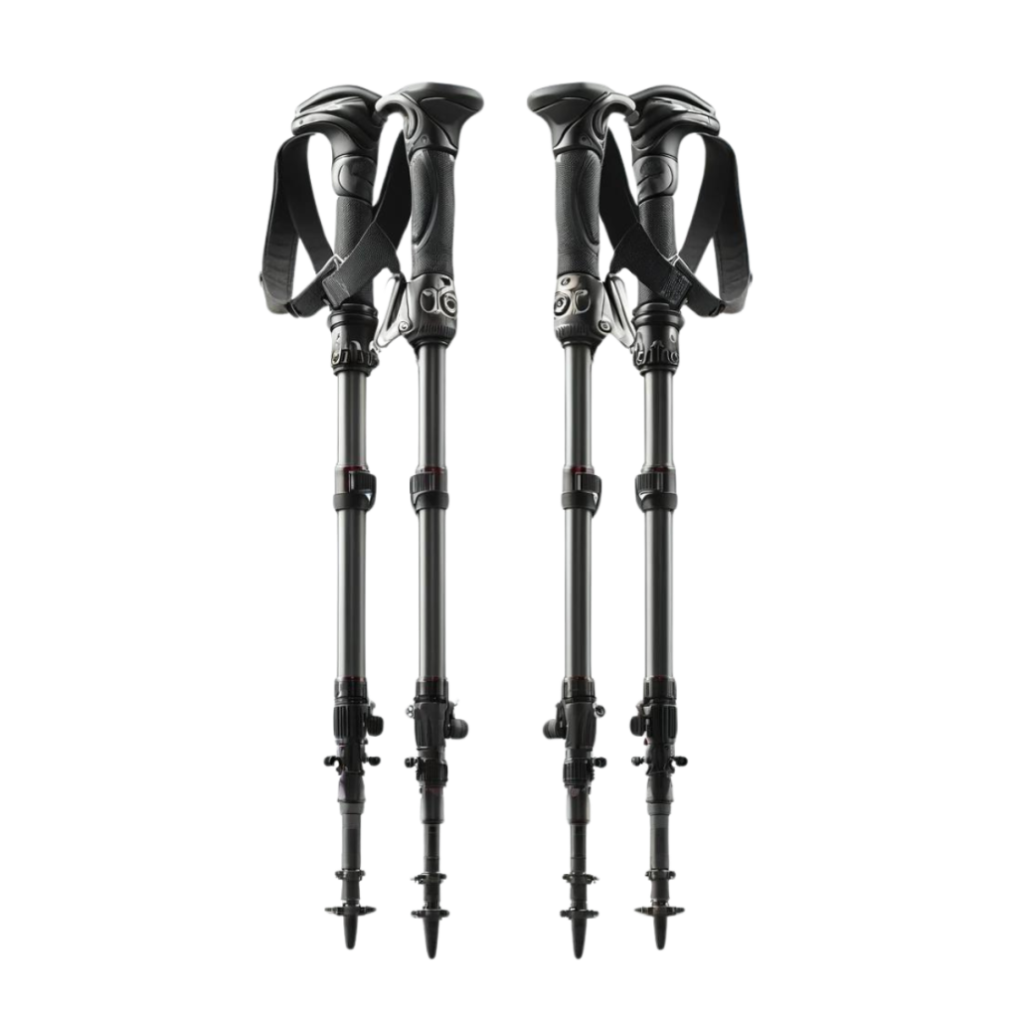
  • 1 trekking pole (or 2 for better balance)
  • Filter water bottle (2 bottles of 1 Ltrs)
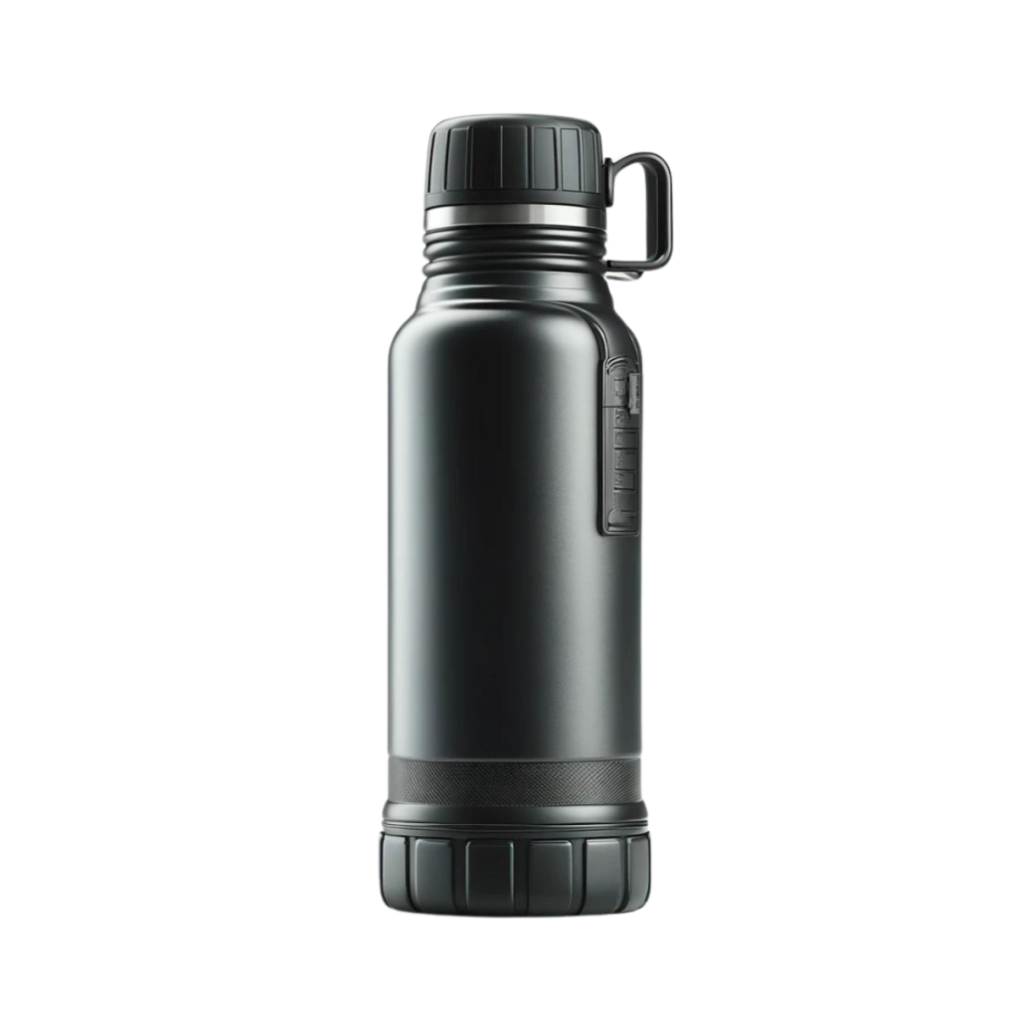
  • Thermos flask (for warm water or tea)

Personal Care Compact:

  • Toothbrush & toothpaste
  • Face towel, tissues & wet wipes
  • Hand sanitizer & lip balm
  • Moisturizer (optional but helpful in dry climate)
  • Personal medication kit
  • Sunscreen (SPF 50+)

Illumination & Eye Protection:

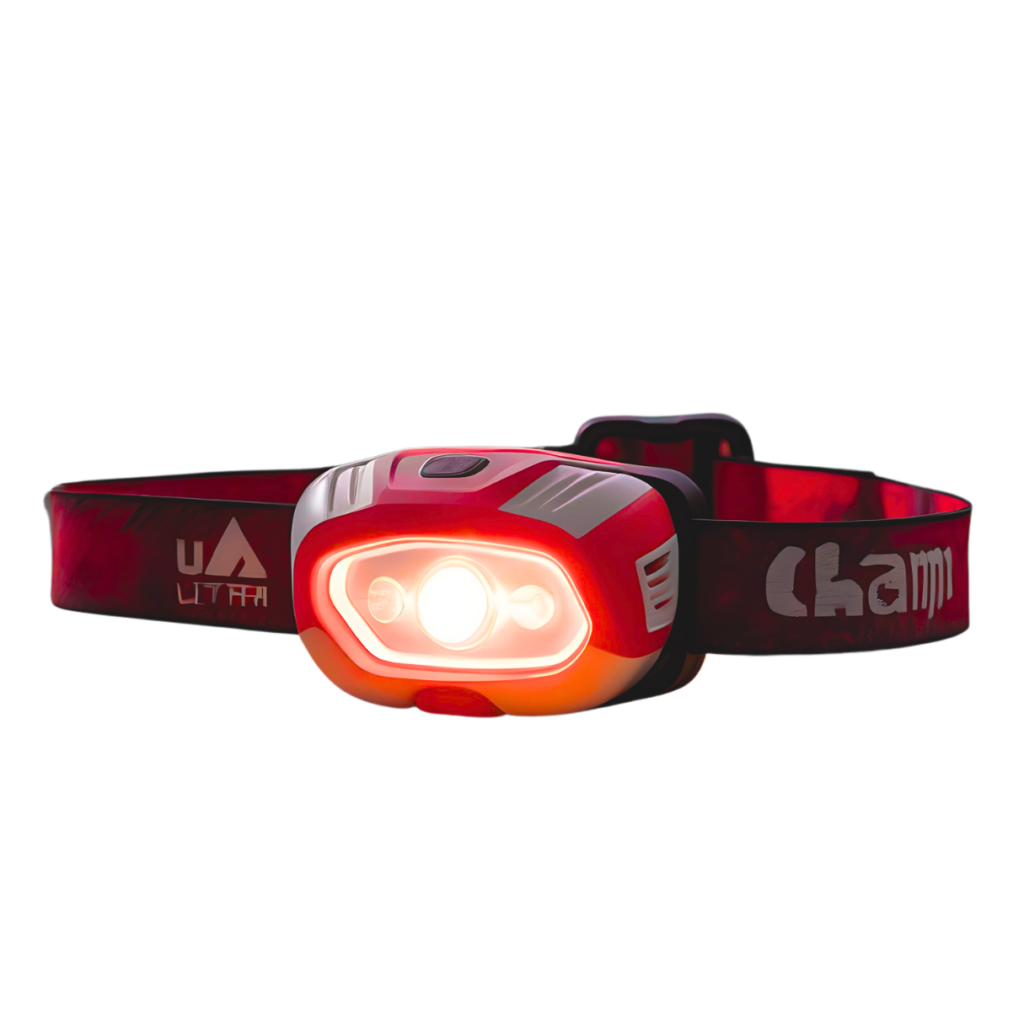
  • Headlamp with extra batteries – a must-have for night treks and early morning starts
  • Sunglasses – Polarized, Category 4 with 100% UV protection and a wrap-around fit to guard your eyes from harsh sun glare and snowy reflections. Carry a backup pair just in case.

Soul Nourishment:

  • Camera – capture the beauty and magic of the mountains
  • Music player or earphones – enjoy peaceful moments with your favorite tunes
  • Books or playing cards – perfect for downtime and relaxing at camp
 

*Rental Gears Required*
Visit our Contracted Business Partner website – Summit Yak
for details on trek-specific rental gears and rates.

Frequently asked questions

This route traverses varied high-altitude terrain, including:

  • well-defined Everest region trails
  • rocky sections and steep ascents
  • glacier moraines
  • high mountain passes (Chola Pass, Kongma La, Renjo La)
    These passes involve steep trails, scree, snowfields, and technical trail sections.

The three main passes include:

  • Renjo La: ~5,360 m
  • Chola Pass: ~5,420 m
  • Kongma La: ~5,535 m
    With Everest Base Camp (~5,364 m) and Gokyo Ri (~5,357 m), the trek spends extended time above 5,000 m.

This is one of the most challenging non-technical treks in Nepal. It combines:

  • long trekking days
  • multiple high passes
  • steep and slippery sections
  • significant altitude gain
    This trek is not recommended for beginners.

Optimal trekking windows are:

  • Spring: March to May
  • Autumn: September to November
    These seasons offer the most stable weather and the best visibility for mountain views.

Typical itineraries span about 18–22 days. Daily trekking durations can range from 6 to 10+ hours, especially on high-pass days.

You should have:

  • strong cardiovascular endurance
  • experience with high-altitude trekking
  • ability to handle long days with steep ascents/descents

➡️ Refer to the Trek Preparation Guide for detailed fitness and conditioning guidelines.

Essentials include:

  • good trekking boots
  • warm layers and rain gear
  • water purification tablets/filters
  • trekking poles and sun protection
    A full packing list is available in the Preparation Guide.

Water is available at teahouses and natural sources but should be treated or purified before drinking to avoid illness.

You should train for:

  • cardiovascular endurance (running/hiking)
  • strength (legs & core)
  • hiking uphill with a backpack

➡️ Detailed preparation guidance is in the Preparation Guide.

  • A dedicated WhatsApp group will be created post-registration for preparation and coordination queries.
  • Zoom briefing sessions will be conducted to:
    • Walk through the expedition flow
    • Explain technical expectations
    • Clarify individual doubts
  • Each session will include a Q&A segment.

The Everest Base Camp + Three Passes trek offers a magnificent, epic Himalayan journey with multiple elevation challenges. It requires excellent fitness, strong acclimatization planning, and mountain discipline. Participants who prepare thoughtfully will enjoy one of the most rewarding treks in Nepal.

WHY CHOOSE US

01

Trustworthy​

Proven expedition company with transparent processes, certified leaders, and strong participant safety standards.

02

Success Rate

Consistently high summit and completion rates through careful planning, acclimatization, and expert leadership.

03

Customized

Flexible itineraries tailored to participant fitness, goals, timelines, and expedition objectives.

04

Experience

Led by seasoned mountaineers with extensive Himalayan and international expedition experience.

05

Eco-Friendly

Committed to responsible trekking, Leave No Trace principles, and environmentally conscious expedition practices.

06

Variety of Destination

Wide range of treks and expeditions across Himalayas and iconic global mountain destinations.

SAFETY MEASURES

Boots & Crampons staff of highly trained professional guides is here to make your journey as safe and secure as possible. All of our trekking guides are medically certified and have abundant experience using their training in mountainous environments.

Our safety standards are based on the experiences of our founder, managing risk in some of the world’s most hostile environments.

While we advise our trekkers to carry light, our guides are always prepared with:

  • Medical Kit containing High Altitude Emergency Medicines and Life Saving Drugs
  • Oximeter to measure pulse rate and oxygen saturation in blood while on the trek
  • Oxygen Cylinders ONLY for climbs above 6000 Mtrs.

Still have questions?

Be it queries about the trek, customization or anything else, our team is eager to assist you.

Need your questions answered right away?

Get in touch with us at

YOU MAY ALSO LIKE

Discover similar treks from Boots & Crampons that quench your thirst for adventure.