ISLAND PEAK EXPEDITION

6160 Meters | Nepal

10th Apr 2026 | 2nd Oct 2026

DIFFICULTY

Moderate - Difficult

DURATION

17 Days

BEST TIME

April – May
Sept – Oct

COST

INR 3,05,000 + 5%
GST

overview

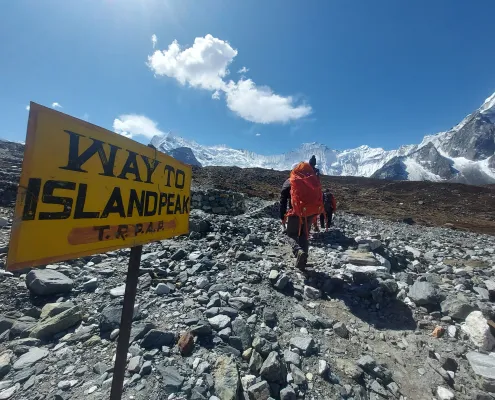
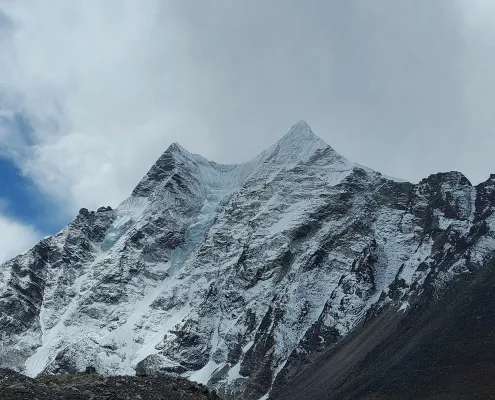
The Island Peak Expedition (6,165 m) is one of the most popular and rewarding introductions to 6000-metre Himalayan climbing. Located deep in the Everest region, this climb blends a classic high-altitude trek with a true alpine summit experience.

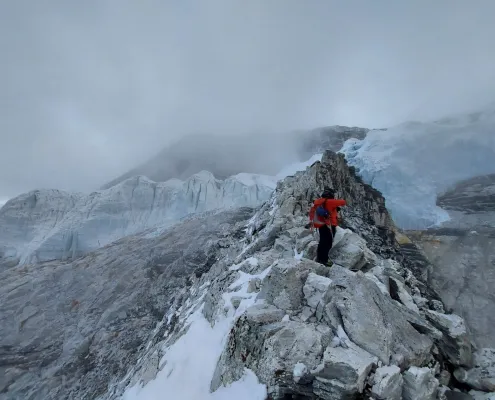
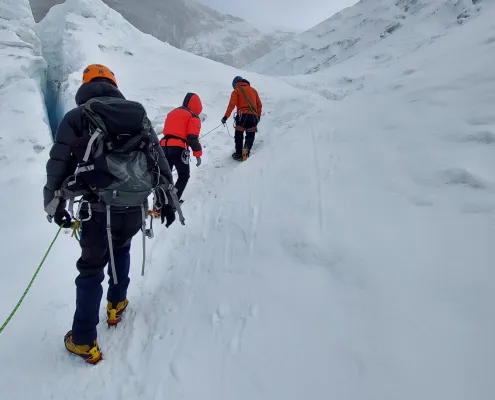
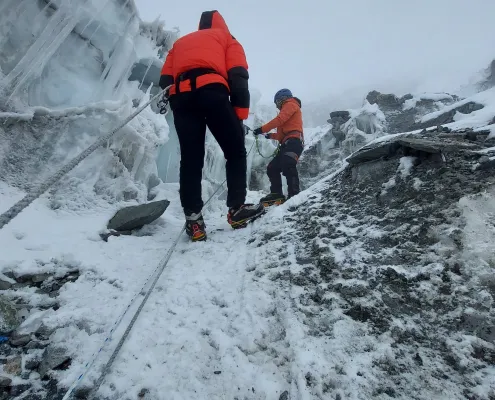
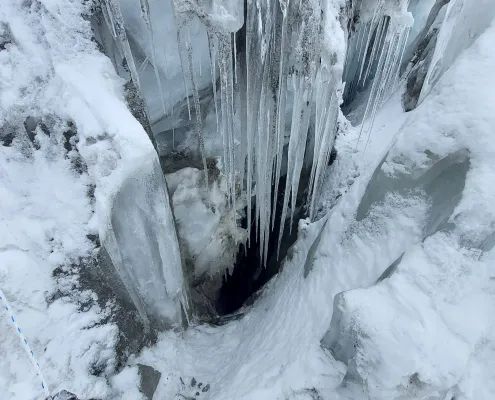
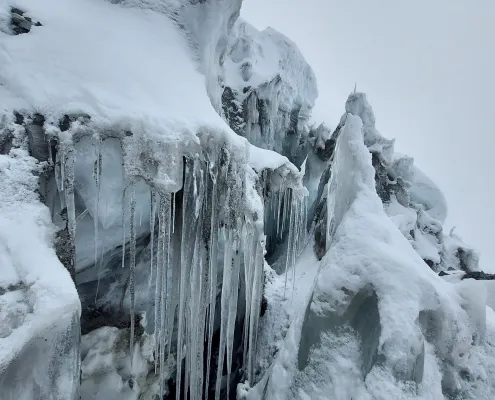
The journey follows the iconic Everest trails through Sherpa villages, glaciers, and moraines before branching toward Island Peak Base Camp. As altitude builds, the environment becomes increasingly harsh — thinner air, colder nights, and longer recovery times. Summit day begins well before sunrise, with climbers moving across glaciers, negotiating crevasses, and ascending steep snow and ice slopes using crampons, ice axe, and fixed ropes.

The final ridge to the summit delivers a powerful adrenaline rush, with massive views of Lhotse, Ama Dablam, Makalu, and Baruntse. Though not technically complex, Island Peak demands strong endurance, mental control, and disciplined movement at altitude.

This expedition is ideal for trekkers transitioning into mountaineering and climbers preparing for higher Himalayan objectives.


Note: Prices mentioned are applicable for Indian passport holders. For foreign passport holders, the cost may vary. Please connect with the Boots & Crampons team for clarity.
Note: An indemnity document will be shared before the expedition. Signing it is mandatory.

ITINERARY

Day 1: Kathmandu Arrival (1,400m) – Gateway to the Himalayas

Welcome to Kathmandu! After arriving, you’ll be transferred to your hotel. Spend the day resting, exploring the cultural streets, and attending a team briefing. This marks the beginning of your Himalayan adventure.

Day 2: Fly to Lukla (2,860m), Trek to Phakding (2,610m) – First Steps into the Khumbu

Start the day with a scenic 30-minute flight to Lukla. From here, begin your trek towards Phakding, passing through vibrant villages and across suspension bridges along the Dudh Koshi River. Trek duration: 3–4 hours

Day 3: Phakding to Namche Bazaar (3,440m) – Into the Sherpa Heartland

Cross several thrilling bridges including the iconic Hillary Bridge. The trail climbs steeply toward Namche, the gateway to Everest and the bustling heart of Sherpa culture. Trek duration: 6–7 hours

Day 4: Acclimatization Day at Namche Bazaar (3,440m) – Everest Views & Local Culture

A rest day to adapt to the altitude. Hike up to Everest View Hotel for panoramic views of Everest, Lhotse, and Ama Dablam. Explore Namche’s cafés, shops, and museums in the evening.

Day 5: Namche to Deboche (3,860m) – Monasteries & Rhododendrons

Trek through pine and rhododendron forests, stopping at the majestic Tengboche Monastery en route. End the day in Deboche, a peaceful village nestled beneath towering peaks. Trek duration: 5–6 hours

Day 6: Deboche to Dingboche (4,350m) – Into the Alpine Zone

Continue through Pangboche village and climb steadily into alpine terrain. The landscape opens up to views of Ama Dablam and other Himalayan giants. Trek duration: 5–6 hours.

Day 7: Acclimatization Hike to Nangkartshang Peak (5,000m) – Breathe High, Climb Higher

A half-day acclimatization hike to Nangkartshang Peak offers incredible views of Makalu and Lhotse. Return to Dingboche for rest and preparation. Hike duration: 4–5 hours

Day 8: Dingboche to Chhukung (4,730m) – Valley of Climbers

A short trek through a stunning glacial valley takes you to Chhukung, the final village before Island Peak. Begin mental and physical prep for the climb ahead. Trek duration: 3–4 hours

Day 9: Chhukung to Island Peak Base Camp (5,100m) – To the Base of Glory

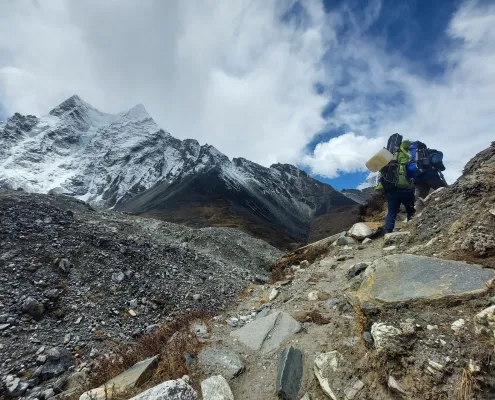
Trek over glacial moraines and rugged terrain toward Island Peak Base Camp. The high alpine environment sets the tone for what lies ahead. Trek duration: 3–4 hours

Day 10: Base Camp to High Camp (5,600m) – One Step Closer

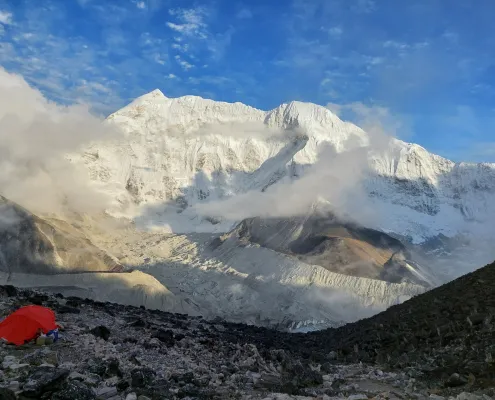
A steep and strenuous ascent through loose rocks and snow patches brings you to High Camp. Final gear checks and rest before the summit push. Trek duration: 4–5 hours.

Day 11: Summit Day – Island Peak (6,160m) & Return to Base Camp

Start early around midnight. Cross glaciers, ladders over crevasses, and ascend fixed ropes to the summit ridge. Reach the top of Island Peak to witness panoramic views of Everest, Lhotse, and beyond. Return to Base Camp. Total duration: 10–12 hours

Day 12: Buffer Day – Flexibility for Weather & Recovery

A spare day in case of bad weather or altitude-related issues, increasing your chances for a successful summit.

Day 13: Base Camp to Dingboche (4,350m) – Back from the Summit

 Retrace your route to Dingboche, enjoying the descent through the Khumbu landscape. Reflect on your summit success. Trek duration: 5–6 hours.

Day 14: Dingboche to Namche Bazaar (3,440m) – Down the Valley

Descend back through Pangboche and Tengboche, revisiting the trails that brought you up. Namche offers hot showers, WiFi, and a well-earned rest. Trek duration: 6–7 hours.

Day 15: Namche to Lukla (2,860m) – The Final Stretch

Complete the final leg of your trek through forests and across suspension bridges. Reach Lukla to relax and celebrate your incredible journey. Trek duration: 6–7 hours.

Day 16: Fly from Lukla to Kathmandu – Back to Civilization

Board your morning flight to Kathmandu. Enjoy the aerial views one last time before landing in the bustling capital. Rest, explore, or celebrate with your team.

Day 17: Departure from Kathmandu – Until Next Time

Your expedition concludes. With unforgettable memories, breathtaking experiences, and new friendships, it’s time to say farewell to the mountains.

Explore the comprehensive metrics of the climb, including altitude changes, climb duration, route specifics, distance, and more. Recorded on Garmin during our 2024 expedition to Island Peak and Ama Dablam (in that order), this data provides an in-depth analysis of what happens on ground zero, helping you prepare better. Click here to explore the data.

INCLUSIONS

Accommodation

  • 2 nights’ accommodation in Kathmandu at a 3-Star category hotel on twin or single sharing basis, including breakfast.
  • Best available tea house accommodation during the trek on twin-sharing basis wherever possible.
  • Full Base Camp accommodation in expedition tents, including sleeping tent, mattress, and pillow for each participant.

Meals

  • Breakfast included during hotel stay in Kathmandu.
  • All meals during the trekking and expedition period (breakfast, lunch, and dinner).
  • Freshly prepared meals at Base Camp and High Camps, including hot beverages such as tea and coffee.

Transportation & Flights

  • International and domestic airport pick-up and drop-off in Kathmandu.
  • Round-trip domestic travels between Kathmandu – Lukla – Kathmandu, including airport taxes.
  • All necessary ground transportation required for the expedition.

Permits & Expedition Documentation

  • Island Peak Climbing Permit.
  • Sagarmatha National Park Entry Permit.
  • Khumbu Region local permits and entry fees.
  • Garbage management and disposal fees.
  • All applicable government taxes and expedition documentation.

Expedition Staff & Climbing Support

  • Experienced and certified Island Peak Climbing Sherpa Guide, including:
    • Salary, insurance, and equipment allowance
    • Climbing support and safety supervision
  • Professional Base Camp support team, including:
    • Base Camp cook and kitchen helpers
    • Expedition support staff
  • Porters and/or yaks for transporting expedition equipment and personal luggage between Lukla and Base Camp.
  • Insurance coverage for all Nepali expedition staff.

Base Camp Infrastructure & Expedition Equipment

  • Fully equipped Base Camp setup including:
    • Dining tent
    • Kitchen tent
    • Toilet tent
    • Communication tent
    • Tables, chairs, and camp infrastructure
  • High-altitude climbing equipment support including:
    • Fixed ropes and route preparation
    • High altitude tents
    • Cooking equipment and gas
  • Electric generator and/or solar charging system at Base Camp.

Safety, Communication & Expedition Support

  • Walkie-talkie communication systems during climbing.
  • Satellite phone access at Base Camp for emergency communication.
  • Weather forecast support during the expedition.
  • Comprehensive expedition first aid medical kits.
  • Coordination support for emergency rescue arrangements if required.

Additional Services

    • Welcome and farewell dinner in Kathmandu.
    • Boots & Crampons expedition duffel bag.
    • Expedition coordination and logistics management by Boots & Crampons team.
    • Exclusive participant discount on Fast&Up nutrition products.

EXCLUSIONS

International Travel & Visa

  • International airfare to and from Nepal.
  • Nepal entry visa fee.

Insurance & Emergency Costs

  • Mandatory personal travel insurance covering:
    • High-altitude trekking and climbing
    • Emergency evacuation and rescue
    • Medical treatment and hospitalization
  • Emergency evacuation costs, including helicopter rescue if required.

Personal Equipment & Gear

  • Personal trekking and climbing equipment, including:
    • Mountaineering boots
    • Sleeping bag
    • Down clothing and personal gear
    • Technical climbing equipment unless specifically stated as included

(Gear rental assistance is available upon request.)


Personal Expenses

  • Lunch and dinner during hotel stay in Kathmandu (except welcome and farewell dinner).
  • Personal expenses including:
    • Phone calls and internet usage
    • Battery charging and laundry
    • Alcoholic beverages and specialty drinks
    • Snacks and personal purchases

Staff Tips & Bonuses

  • Summit bonus and tips for climbing Sherpa and expedition staff.
  • Gratuities for Base Camp staff, porters, and support crew.

Additional & Unforeseen Expenses

  • Additional accommodation or transportation costs due to:
    • Flight delays or cancellations
    • Weather conditions
    • Political unrest or natural disasters
  • Additional transfers or services requested beyond the planned itinerary.
  • Room upgrades, early check-in, or late check-out at hotels.
  • Helicopter return or early departure from expedition for personal or medical reasons.

No refunds will be provided for unused expedition services once the expedition has commenced.


General Clause

Any service, facility, or expense not explicitly mentioned in the “Inclusions” section will be considered excluded.

PREPARATION GUIDE

Please read carefully before registering

At Boots & Crampons, preparation is not optional. The level of training required depends on the duration, altitude, and technical difficulty of the trek or expedition you are signing up for.

  • Previous high-altitude trekking experience is mandatory.
  • Participants must be following a structured fitness routine for at least 2–3 months.
  • Weight training is essential—focus on legs, core, and overall endurance.
  • Regular uphill walking or stair climbing with a loaded backpack is required.
  • Build strong cardiovascular capacity through consistent jogging and cycling.
  • Squats are critical for building strength in thighs, glutes, knees, and stabilizing muscles.
  • Long duration at altitude requires mental strength and the ability to handle fatigue.
  • Participants must be comfortable with basic mountain living and minimal comforts.
  • Decision-making in the mountains is final and must be respected.

Proper preparation increases not just your chances of success, but also your safety and enjoyment in the mountains.

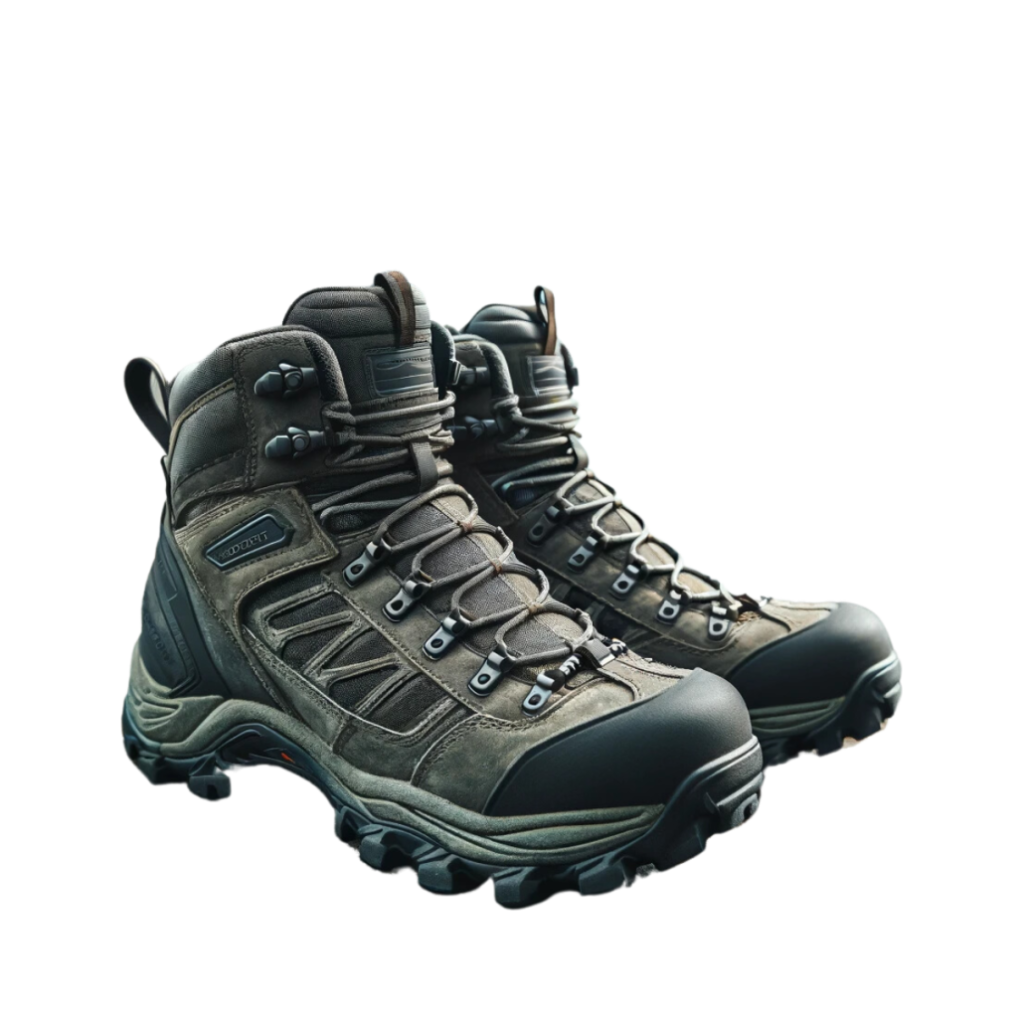
THINGS TO PACK

For Your Head:

  • Woolen warm cap to protect against cold winds
  • Balaclava for extra warmth
  • Bandana (can be used as a sweatband or to cover your face from dust)

For Your Feet:

  • 4-5 pairs of regular socks
  • 1-2 pair of thick woolen socks for warmth
  • Trekking boots with ankle support and good grip
  • Extra pair of comfortable sneakers or shoes to wear at the Tea House

For Your Hands:

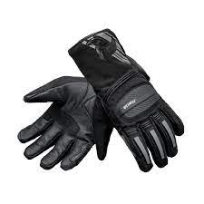
  • 1-2 pairs of warm inner gloves
  • 1 pair of waterproof gloves to keep your hands dry
  • Hand warmers (optional, but useful in very cold weather)
  • A pair of fleece gloves for extra insulation

Clothing: The Armor of the Adventurer:

  • 1 pair of thermal innerwear (top and bottom) for base warmth
  • 2 pairs of lightweight, quick-dry trekking pants
  • 1 pair of windproof and waterproof Gore-Tex trousers
  • 1 Gore-Tex or waterproof jacket for wind and rain protection
  • 1 poncho (optional) for sudden rain
  • 1-2 fleece jacket for light warmth
  • 3–4 full-sleeve dry-fit T-shirts for layering
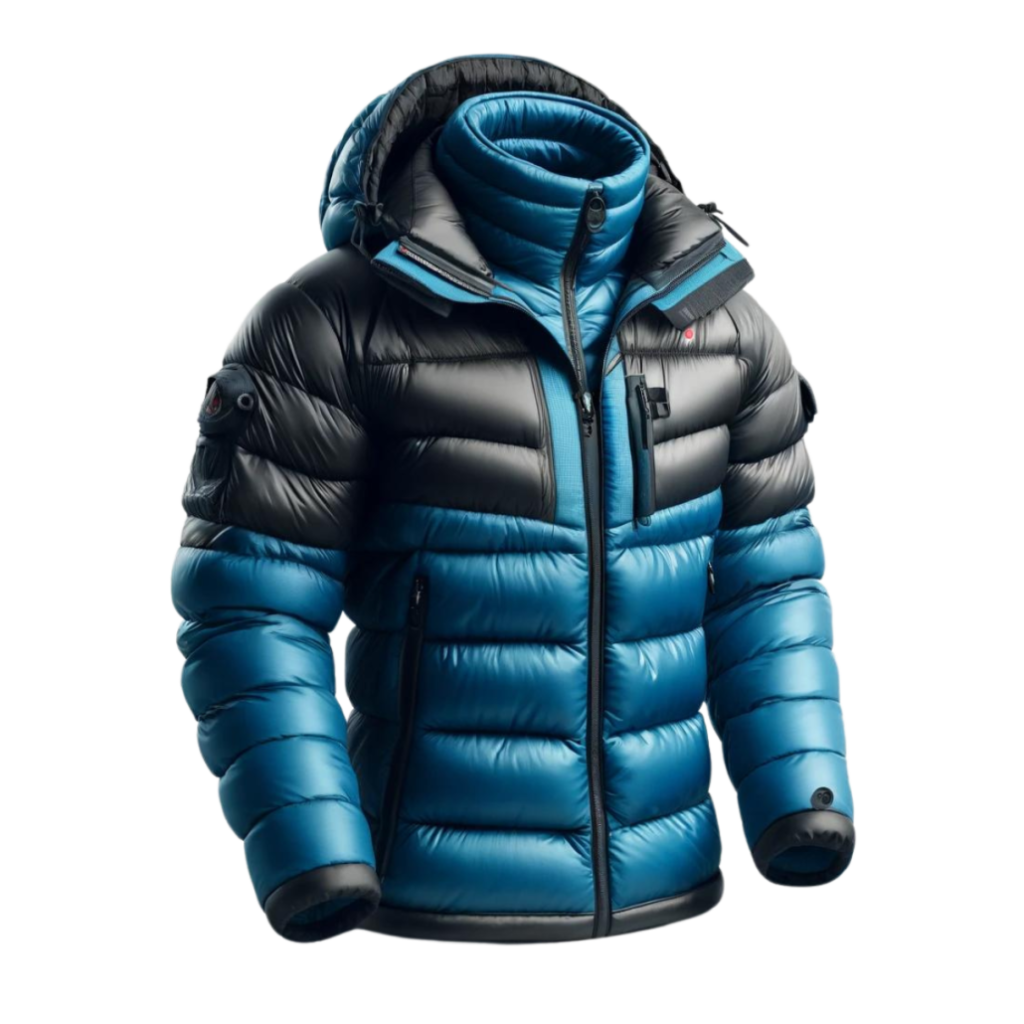
  • 1 heavy down or padded jacket (800-900 Fills) for extreme cold

Navigational & Survival Gear:

  • 20-30L Backpack (for water, snacks, fleece, etc.)
  • 50-60L Backpack / Duffle Bag
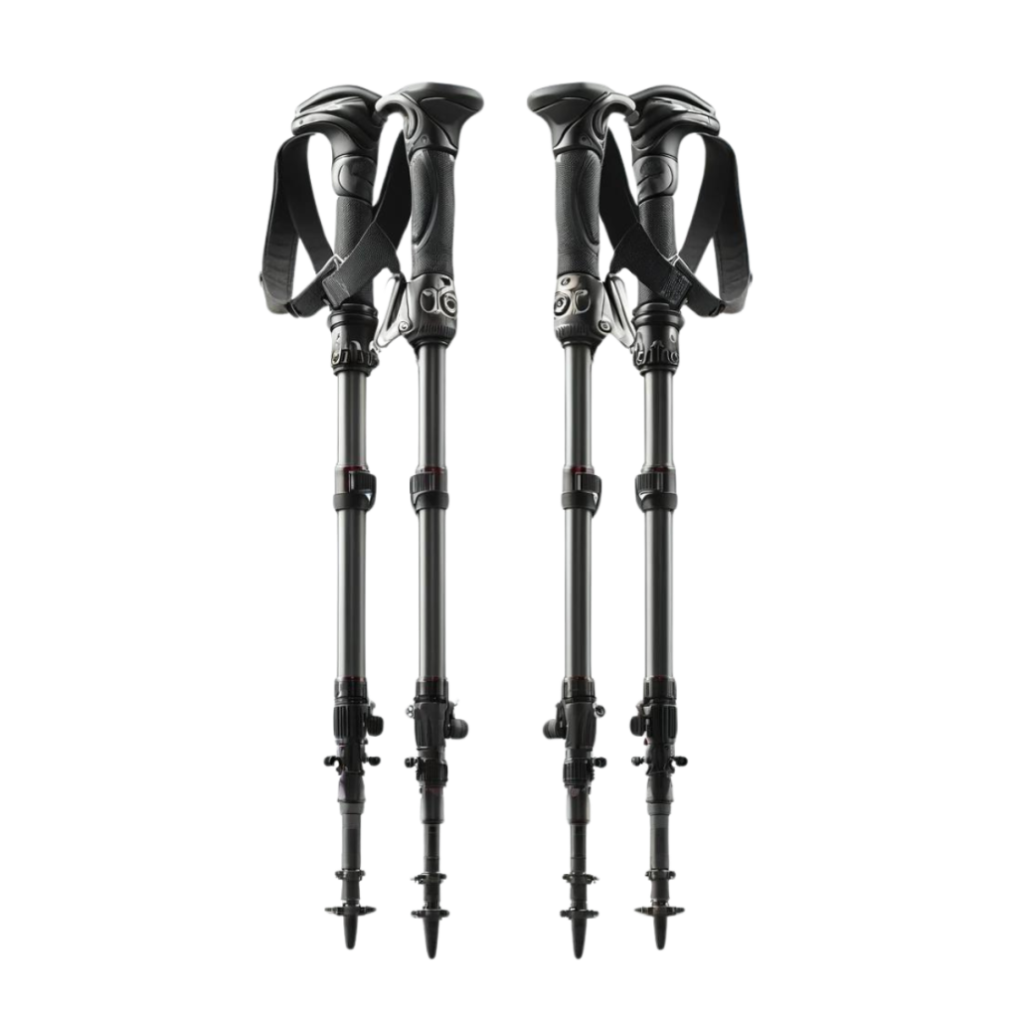
  • 1 trekking pole (or 2 for better balance)
  • Filter water bottle (2 bottles of 1 Ltrs)
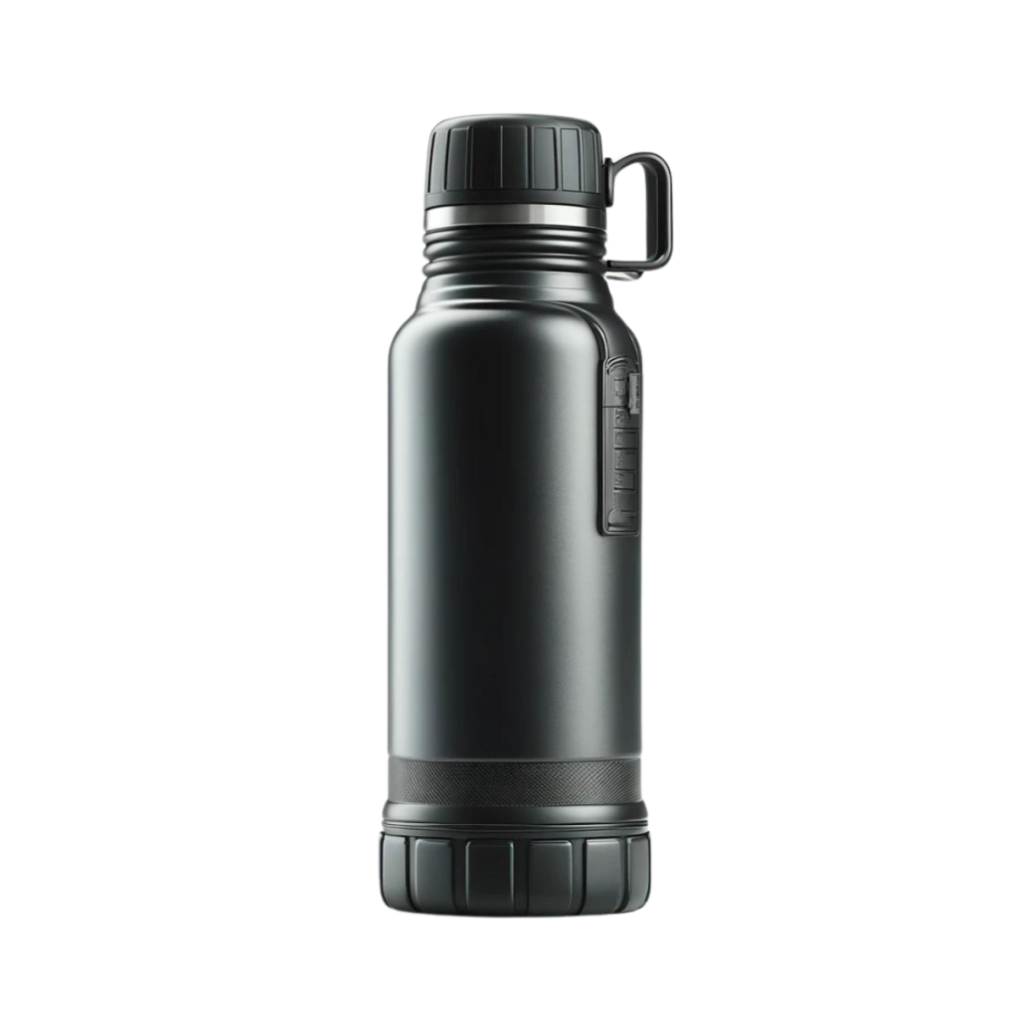
  • Thermos flask (for warm water or tea)

Personal Care Compact:

  • Toothbrush & toothpaste
  • Face towel, tissues & wet wipes
  • Hand sanitizer & lip balm
  • Moisturizer (optional but helpful in dry climate)
  • Personal medication kit
  • Sunscreen (SPF 50+)

Illumination & Eye Protection:

  • Headlamp with extra batteries – a must-have for night treks and early morning starts
  • Sunglasses – Polarized, Category 4 with 100% UV protection and a wrap-around fit to guard your eyes from harsh sun glare and snowy reflections. Carry a backup pair just in case.

Soul Nourishment:

  • Camera – capture the beauty and magic of the mountains
  • Music player or earphones – enjoy peaceful moments with your favorite tunes
  • Books or playing cards – perfect for downtime and relaxing at camp
 

*Rental Gears Required*
Visit our Contracted Business Partner website – Summit Yak
for details on trek-specific rental gears and rates.

Frequently asked questions

The route includes well-defined high-altitude trails, rocky ridges, glacier travel, and snow/ice slopes near the summit. The final summit push involves steep snow/ice slopes where crampons and an ice axe are used.

The summit of Island Peak reaches 6,165 m (20,246 ft). This means significant time spent above 4,000 m, requiring proper acclimatization.

Island Peak is a moderate technical expedition. While it is one of the more accessible 6,000 m peaks, it involves:

  • glacier travel
  • steep snow/ice sections
  • use of crampons and ice axe
    Participants must be comfortable with basic mountaineering techniques.

You do not need advanced rock or ice climbing skills, but you must be comfortable with:

  • use of crampons
  • basic snow and ice movement
  • rope procedures and following fixed rope lines during the summit push

Experience with snow and exposure at altitude is strongly recommended.

The best climbing seasons are:

  • Spring (March–May)
  • Autumn (September–November)
    These periods offer better weather stability and clearer mountain views.

Typical itineraries are 13–18 days, including:

  • approach trek
  • acclimatization days
  • summit attempt

Daily trekking and climbing hours may range from 5 to 9+ hours depending on altitude and conditions.

Participants should have:

  • strong cardiovascular endurance
  • good hiking stamina
  • some experience at high altitude

➡️ Detailed fitness and training requirements can be found in the Preparation Guide.

Essential gear includes:

  • mountaineering boots compatible with crampons
  • crampons and ice axe
  • harness, helmet, and basic climbing hardware

warm high-altitude layers
A comprehensive gear list is included in the Preparation Guide.

Water is sourced locally along the trek and near camps. It should be treated or purified before drinking to prevent illness.

Preparation should include:

  • cardiovascular training (jogging, hiking)
  • leg, core, and strength training

practice hiking with a loaded backpack
➡️ Full preparation guidance is available in the Preparation Guide

  • A WhatsApp group will be created for all participants to post preparation, gear, and logistical queries.
  • Zoom briefing sessions will be conducted to:
    • explain the itinerary
    • outline expectations
    • answer participant questions in a live Q&A

Island Peak is a classic high-altitude expedition that offers both trekking and mountaineering experiences. Proper preparation, acclimatization, and respect for altitude make this a deeply rewarding climb.

WHY CHOOSE US

01

Trustworthy​

Proven expedition company with transparent processes, certified leaders, and strong participant safety standards.

02

Success Rate

Consistently high summit and completion rates through careful planning, acclimatization, and expert leadership.

03

Customized

Flexible itineraries tailored to participant fitness, goals, timelines, and expedition objectives.

04

Experience

Led by seasoned mountaineers with extensive Himalayan and international expedition experience.

05

Eco-Friendly

Committed to responsible trekking, Leave No Trace principles, and environmentally conscious expedition practices.

06

Variety of Destination

Wide range of treks and expeditions across Himalayas and iconic global mountain destinations.

SAFETY MEASURES

Boots & Crampons staff of highly trained professional guides is here to make your journey as safe and secure as possible. All of our trekking guides are medically certified and have abundant experience using their training in mountainous environments.

Our safety standards are based on the experiences of our founder, managing risk in some of the world’s most hostile environments.

While we advise our trekkers to carry light, our guides are always prepared with:

  • Medical Kit containing High Altitude Emergency Medicines and Life Saving Drugs
  • Oximeter to measure pulse rate and oxygen saturation in blood while on the trek
  • Oxygen Cylinders ONLY for climbs above 6000 Mtrs.

Still have questions?

Be it queries about the trek, customization or anything else, our team is eager to assist you.

Need your questions answered right away?

Get in touch with us at

YOU MAY ALSO LIKE

Discover similar treks from Boots & Crampons that quench your thirst for adventure.