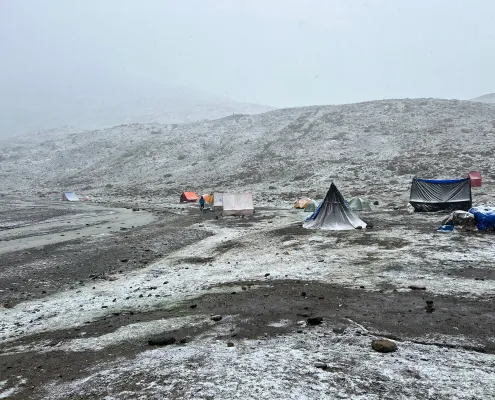
KY2 + DZO JONGO

6250 Meters | Ladakh

18th Jul 2026

DIFFICULTY

Moderate

DURATION

12 Days

BEST TIME

July – Sept

COST

INR 93,000 + 5% GST

overview

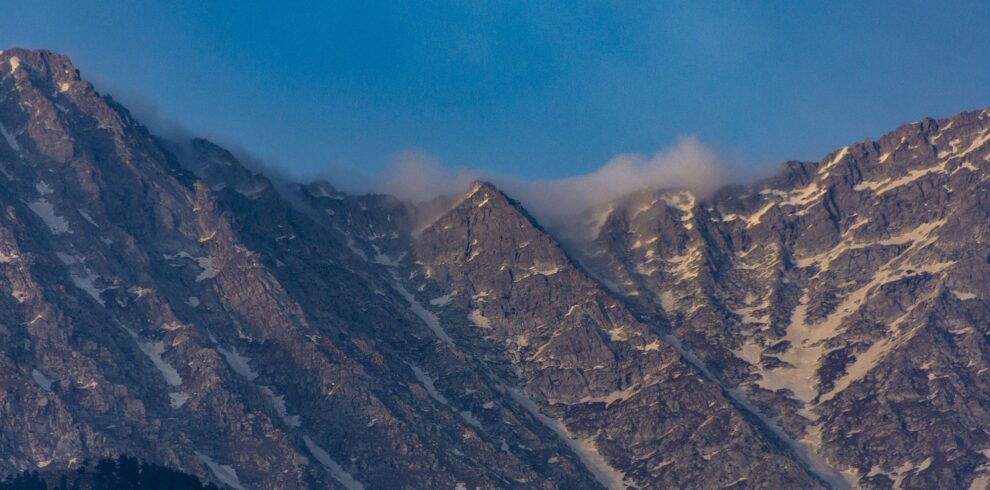
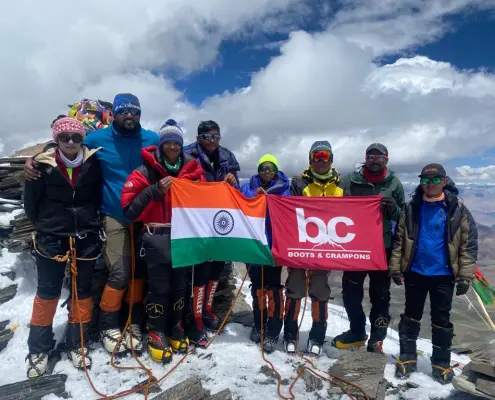
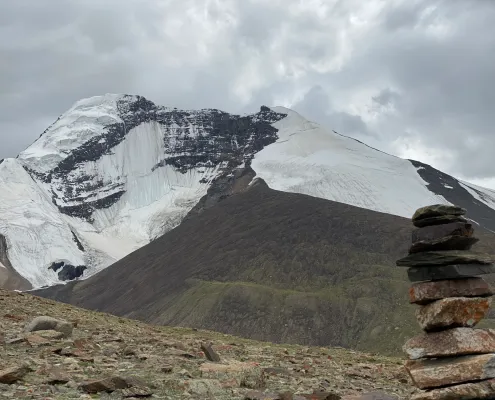
The Kang Yatse II + Dzo Jongo Expedition offers a unique opportunity to summit two 6000-metre peaks in one extended high-altitude campaign in Ladakh.

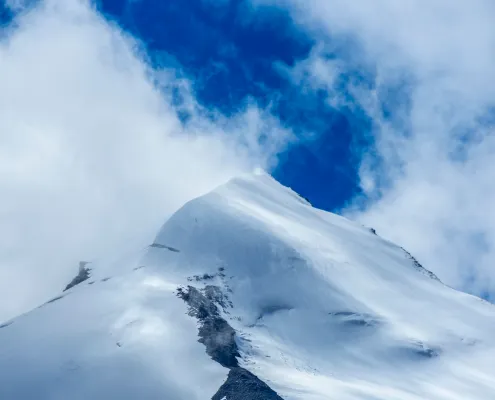
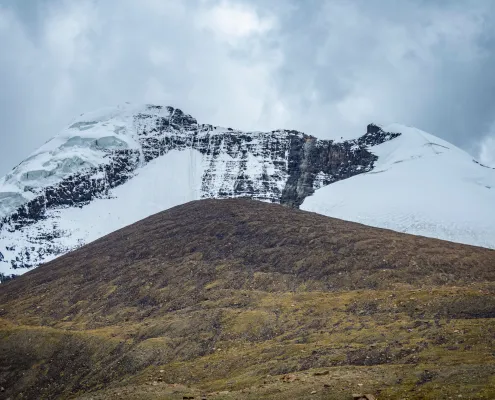
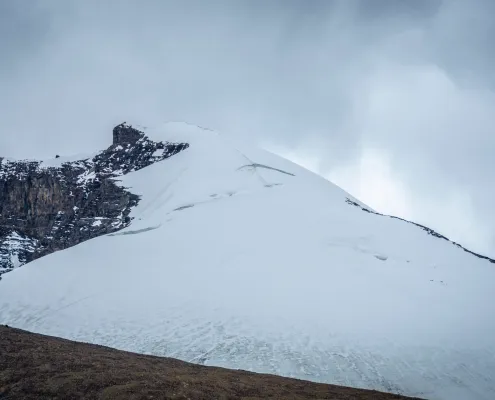
After summiting Kang Yatse II (6,250 m), climbers move toward Dzo Jongo (~6,300 m), a less-frequented and wild peak that demands strong navigation, endurance, and resilience. The cumulative altitude stress, cold, and remoteness add significant challenge.

This expedition is ideal for climbers who want multiple summit exposure and real expedition experience in a less commercial Himalayan setting.

Note: Prices mentioned are applicable for Indian passport holders. For foreign passport holders, the cost may vary. Please connect with the Boots & Crampons team for clarity.
Note: An indemnity document will be shared before the expedition. Signing it is mandatory.

ITINERARY

Day 1: Arrival in Leh | 3,500m

Activity: Transfer & Evening Exploration
Arrive at Leh Airport and transfer to your hotel. Spend the day resting to begin acclimatizing to the high-altitude environment. In the evening, take a gentle walk around Leh Market to soak in local culture, shops, and cuisine. Overnight stay at a hotel in Leh.


Day 2: Acclimatization Hike in Leh | 3,500m

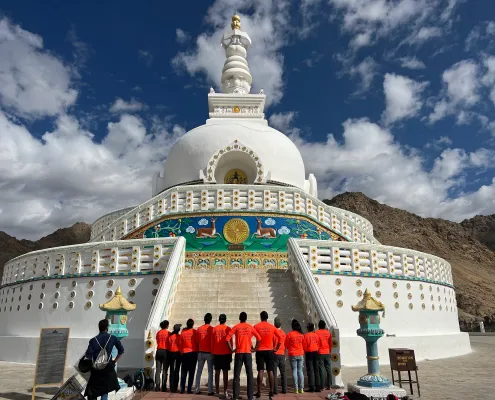
Activity: Hike to Shanti Stupa & Nearby Hills
After breakfast, go on a light acclimatization hike to Shanti Stupa and surrounding hills. This gentle trek helps your body adjust to altitude while offering panoramic views of Leh, the Indus Valley, and surrounding Himalayan peaks. Return to Leh for lunch and spend the evening at leisure. Overnight stay at a hotel in Leh.


Day 3: Drive to Skiu & Trek to Sara | 3,400m – 3,600m

Distance: ~10 km | Trek Time: ~4–5 hours
Drive from Leh to Skiu, passing through the scenic Indus Valley and Gurudwara Pathar Sahib. Begin trekking from Skiu along the Markha River, passing through villages and open meadows, before reaching Sara, a serene campsite. Overnight stay in tents at Sara.


Day 4: Trek from Sara to Markha | 3,600m – 3,750m

Distance: ~10–11 km | Trek Time: ~5–6 hours
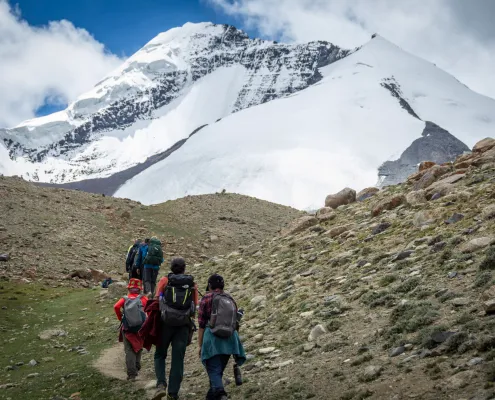
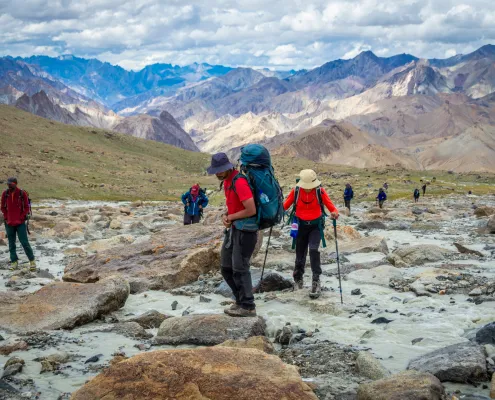
Trek through narrow valleys, crossing wooden bridges and small streams. Pass by grazing fields and local shepherd settlements before arriving at Markha, the largest village on the trail. Overnight stay in tents or homestay in Markha.


Day 5: Trek from Markha to Thochungtsey | 3,750m – 4,300m

Distance: ~19 km | Trek Time: ~7–8 hours
Begin a long but rewarding trek through high-altitude terrain. Pass through alpine meadows, prayer walls, and scattered wildlife habitats. Arrive at Thochungtsey, a beautiful meadow and campsite nestled beneath snow-capped peaks. Overnight stay in tents.


Day 6: Trek from Thochungtsey to Base Camp | 4,300m – 5,100m

Distance: ~10 km | Trek Time: ~5–6 hours
Trek through rugged trails with breathtaking views of glaciers and towering peaks to reach the Kang Yatse Base Camp. Set up camp and spend the evening resting and hydrating to prepare for summit attempts. Overnight stay at Base Camp.


Day 7: Rest & Training at Base Camp | 5,100m

Spend the day resting and performing technical training. Check all climbing equipment, practice using ropes, crampons, and ice axes, and receive final briefings from guides. Acclimatization and preparation are key for the summit push. Overnight stay at Base Camp.


Day 8: Summit Kang Yatse 2 (6,250m) & Descend to Base Camp

Trek Time: ~10–12 hours (round trip)
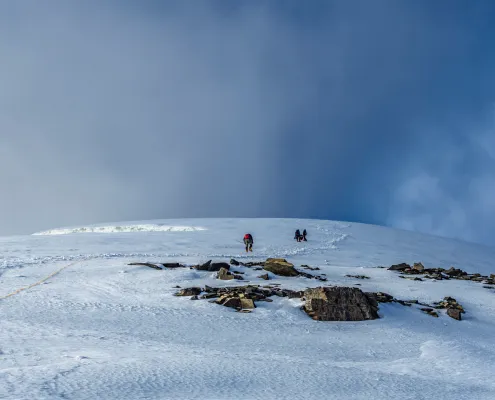
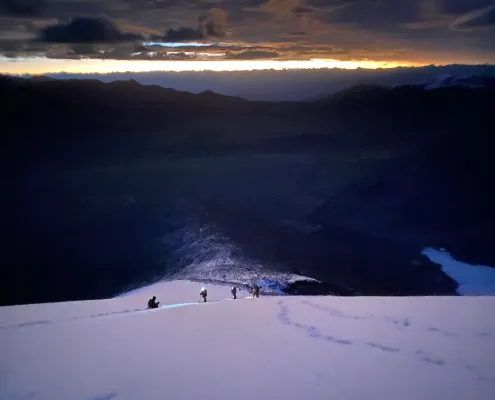
Start early for the challenging summit push to Kang Yatse 2. Trek across glaciers, snow, and rocky ridges while enjoying panoramic Himalayan views. After reaching the summit, descend safely back to Base Camp. Overnight stay at Base Camp.


Day 9: Rest & Move to Dzo Jongo Base Camp

After a well-deserved rest and lunch at Base Camp, move to Dzo Jongo Base Camp for acclimatization and preparation for the next summit attempt. Evening rest and light trekking for stretching. Overnight stay in tents at Dzo Jongo.


Day 10: Summit Push at Midnight

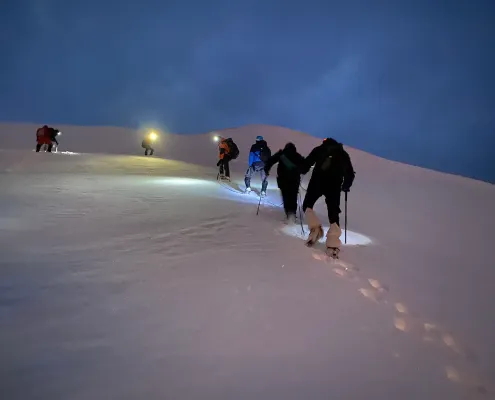
Begin the summit attempt around midnight to take advantage of stable snow conditions. Climb through technical sections under guidance of expert instructors. Celebrate reaching the summit and enjoy breathtaking Himalayan views before descending carefully to Dzo Jongo Base Camp. Overnight stay at Base Camp.


Day 11: Descent Back to Base Camp

Descend from Dzo Jongo or Kang Yatse approach to Base Camp. Rest, hydrate, and reflect on the successful summit experience. Overnight stay at Base Camp.


Day 12: Trek from Base Camp to Chokdo via Kongmaru La | 3,900m – 5,200m

Distance: ~15–16 km | Trek Time: ~6–7 hours
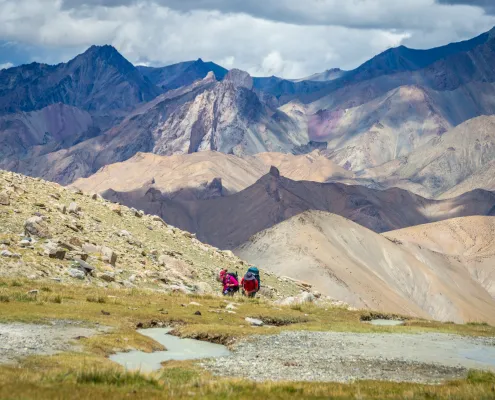
Cross Kongmaru La Pass, the highest point on this descent, and trek through a spectacular multicolored rock gorge. Continue to Chokdo and drive back to Leh. Evening at leisure to relax after the high-altitude trek. Overnight stay at a hotel in Leh.


Day 13: Departure from Leh

After breakfast, transfer to Leh Airport for your onward flight. Depart with memories of a successful Kang Yatse 2 expedition and Himalayan adventure.

INCLUSIONS

  • Accommodation

    • Accommodation in Leh in a 3-Star category hotel on twin-sharing basis, as per itinerary.
    • Accommodation in guesthouses, fixed camps, or expedition tents during the trekking and expedition phase, depending on the route and location.
    • Twin-sharing expedition tents during camping phases, including Base Camp and higher camps.
    • For High Camps – Depending on terrain, logistics, and campsite conditions, triple sharing may be provided where applicable.

    Meals

    • All meals during the trekking and expedition period, starting from dinner on Day 1 until breakfast on the final trekking day, as per itinerary.
    • Nutritious vegetarian meals prepared by the expedition kitchen team, including:
      • Breakfast
      • Lunch
      • Evening tea with snacks
      • Soup
      • Dinner
    • Specialized high-altitude meals during Base Camp and High Camp phases for climbing expeditions.

    Transportation

    • All ground transportation in Ladakh as per itinerary, including:
      • Airport pick-up and drop-off in Leh
      • Transfers between Leh and trek start/end points
      • All expedition-related vehicle transfers as per itinerary

    Trek Leadership & Expedition Staff

    • Experienced and certified Boots & Crampons trek leader and mountain guides.
    • Professional expedition support staff, including:
      • High-altitude climbing guides (for peak expeditions)
      • Expedition cook and kitchen staff
      • Camp setup team and logistics support crew
    • Porters, mules, or horses for carrying group equipment, camping gear, and expedition logistics.

    Camping & Expedition Equipment

    • High-quality expedition tents (twin-sharing basis)
    • Sleeping Bag & Foam mattresses
    • Dining tent and kitchen tent
    • Toilet tent (where applicable)
    • Kitchen equipment, cooking gear, and utensils

    Technical Equipment (For Climbing Expeditions Only)

    Where applicable, the following technical climbing equipment will be provided:

    • Climbing ropes and anchors
    • Ice axe
    • Crampons
    • Helmet
    • Harness
    • Mountaineering boots (if included in specific expedition package)
    • Fixed rope installation and climbing safety equipment

    Note: Technical gear inclusion varies depending on season, trek, and expedition. Detailed gear information will be shared during pre-expedition Zoom briefings and via the WhatsApp group after registration.

    Permits & Documentation

    • All required permits and fees, including:
      • Inner Line Permits
      • Forest and wildlife permits
      • Expedition and climbing permits (where applicable)
      • Environmental and administrative charges

    Safety & Medical Support

    • Comprehensive first aid medical kit carried by trek leader and support team
    • Emergency oxygen cylinder available for high-altitude treks and expeditions where required
    • Expedition safety coordination and emergency response support

    Additional Benefits

    • Complete trek and expedition coordination and logistics management by Boots & Crampons team
    • Exclusive participant discount on Fast&Up nutrition products
    • Trek or expedition completion certificate (for applicable programs)

EXCLUSIONS

  • Travel to Leh

    • Airfare or travel expenses to and from Leh.

    Personal Equipment & Gear

    • Personal trekking and climbing gear, including:
      • Trekking shoes
      • Personal clothing layers
      • Personal accessories
    • Personal porter or mule services for carrying individual luggage:
      • Available at additional cost from Road Head to Base Camp and return
      • Separate porter arrangements and charges apply for load ferry between Base Camp and High Camps during climbing expeditions

    Personal Expenses

    • Meals during road journeys unless specifically included in the itinerary
    • Bottled water, beverages, snacks, and personal food purchases
    • Phone calls, internet usage, laundry, and personal expenses

    Insurance & Emergency Costs

    • Mandatory personal travel insurance covering:
      • High-altitude trekking and climbing
      • Emergency evacuation and rescue
      • Medical treatment and hospitalization
    • Emergency evacuation and rescue costs, including helicopter evacuation if required

    Accommodation Upgrades

    • Single occupancy hotel accommodation in Leh (available at additional cost)
    • Individual tent accommodation during trek or expedition (available at additional cost)

    Unforeseen Expenses

    Additional expenses arising due to:

    • Weather conditions
    • Landslides or road blockages
    • Political or environmental conditions
    • Acclimatization delays
    • Early exit from trek or expedition due to personal or medical reasons

    Buffer Day / Reserve Day Policy

    • If a Buffer Day / Reserve Day is mentioned in the itinerary and is not utilized, the trek itinerary will be completed as originally planned without inclusion of the Buffer Day.
    • If the Buffer Day is utilized due to weather, operational, or safety reasons, additional costs for accommodation, meals, staff, and logistics will apply. The trek leader will inform participants of the applicable charges.
    • If the Buffer Day is not used and participants request additional stay in Leh, additional accommodation and logistics costs will apply.

    Staff Tips & Gratuities

    • Tips and gratuities for trek leaders, guides, porters, and expedition staff are optional but customary and not included in the expedition cost.

    General Clause

    Any service, facility, or expense not explicitly mentioned in the “Inclusions” section will be considered excluded.

    Note: Detailed expedition preparation guidance, gear requirements, and technical equipment allocation will be shared via the official Boots & Crampons WhatsApp group and Zoom briefing sessions after registration.

PREPARATION GUIDE

  • Please read carefully before registering

    At Boots & Crampons, preparation is not optional. The level of training required depends on the duration, altitude, and technical difficulty of the trek or expedition you are signing up for.

    • Previous high-altitude trekking experience is mandatory.
    • Participants must be following a structured fitness routine for at least 2–3 months.
    • Weight training is essential—focus on legs, core, and overall endurance.
    • Regular uphill walking or stair climbing with a loaded backpack is required.
    • Build strong cardiovascular capacity through consistent jogging and cycling.
    • Squats are critical for building strength in thighs, glutes, knees, and stabilizing muscles.
    • Long duration at altitude requires mental strength and the ability to handle fatigue.
    • Participants must be comfortable with basic mountain living and minimal comforts.
    • Decision-making in the mountains is final and must be respected.

 Proper preparation increases not just your chances of success, but also your safety and enjoyment in the mountains.

THINGS TO PACK

For Your Head:

  • Woolen warm cap to protect against cold winds
  • Balaclava for extra warmth
  • Bandana (can be used as a sweatband or to cover your face from dust)

For Your Feet:

  • 4-5 pairs of regular socks
  • 1-2 pair of thick woolen socks for warmth
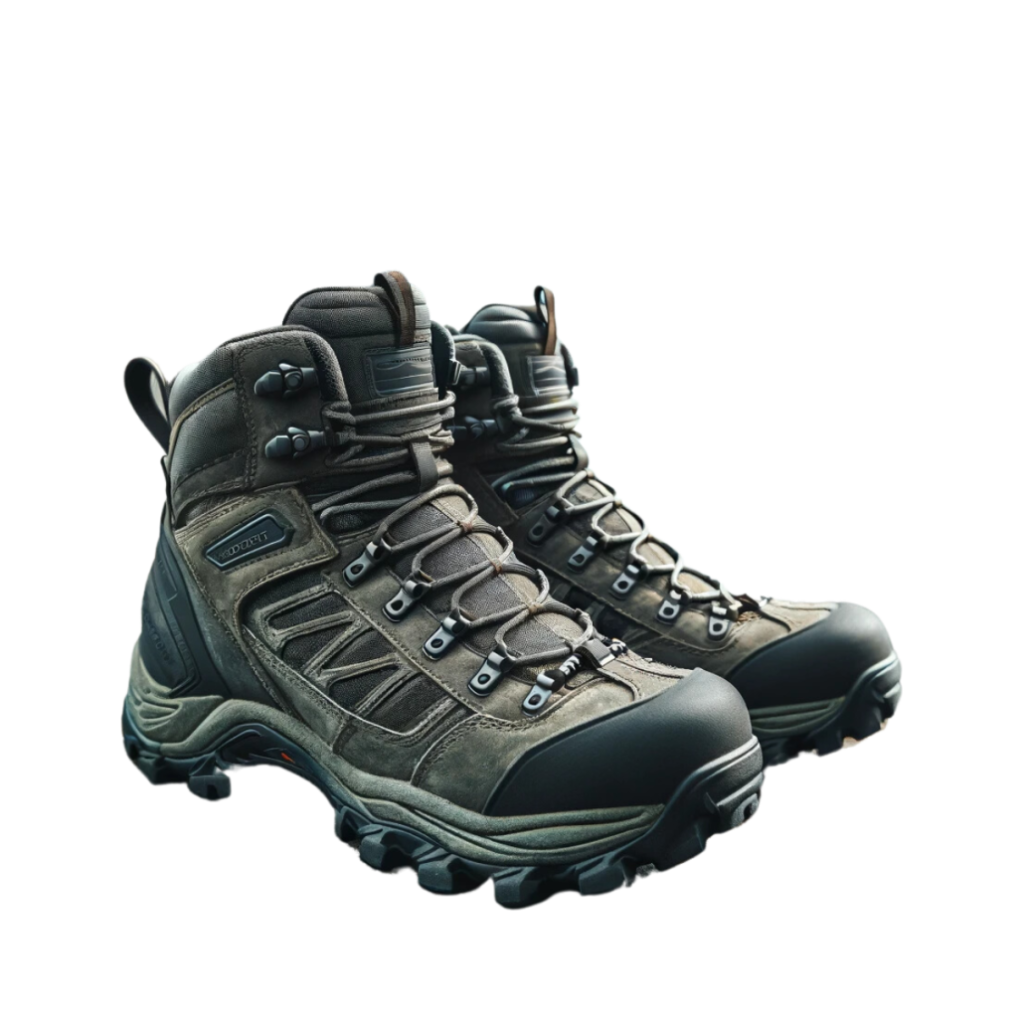
  • Trekking boots with ankle support and good grip
  • Extra pair of comfortable sneakers or shoes to wear at the Tea House

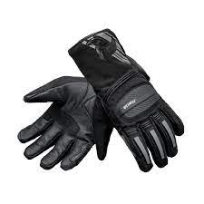
For Your Hands:

  • 1-2 pairs of warm inner gloves
  • 1 pair of waterproof gloves to keep your hands dry
  • Hand warmers (optional, but useful in very cold weather)
  • A pair of fleece gloves for extra insulation

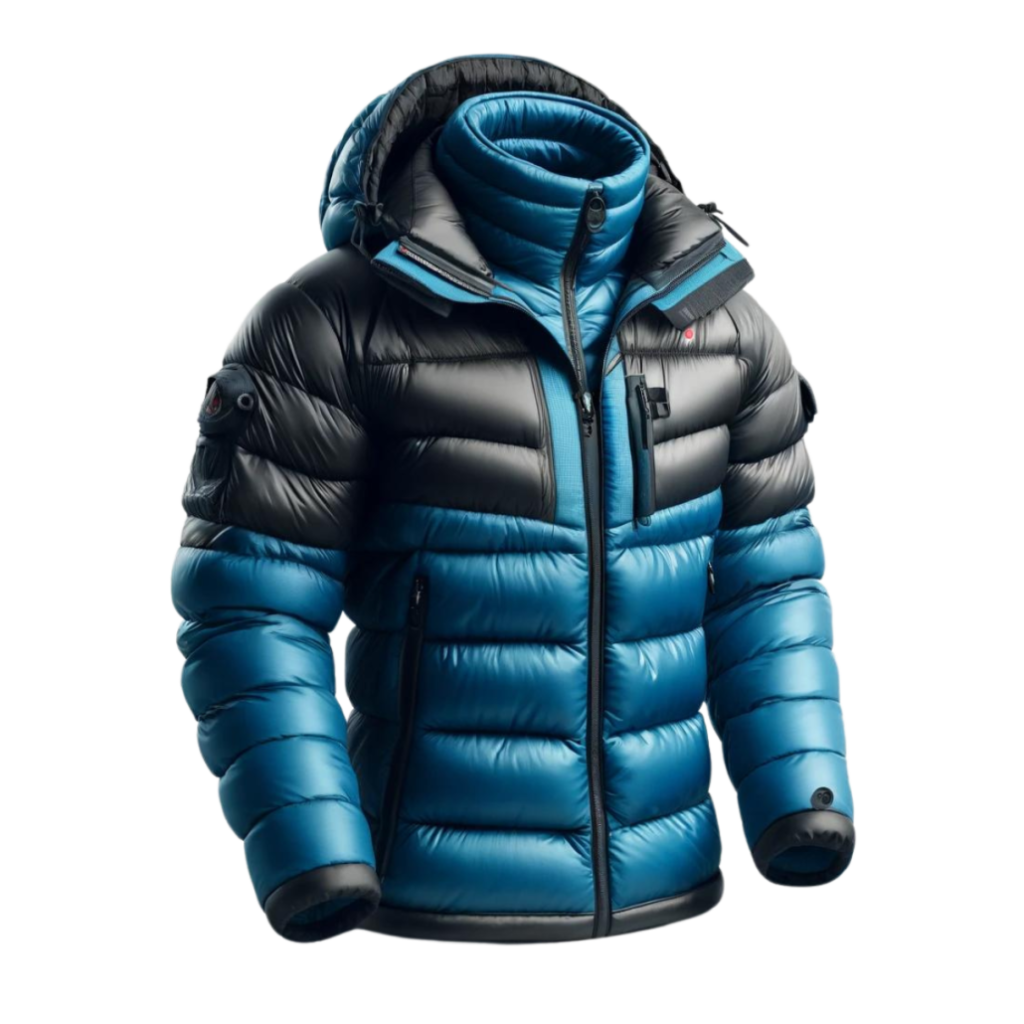
Clothing: The Armor of the Adventurer:

  • 1 pair of thermal innerwear (top and bottom) for base warmth
  • 2 pairs of lightweight, quick-dry trekking pants
  • 1 pair of windproof and waterproof Gore-Tex trousers
  • 1 Gore-Tex or waterproof jacket for wind and rain protection
  • 1 poncho (optional) for sudden rain
  • 1-2 fleece jacket for light warmth
  • 3–4 full-sleeve dry-fit T-shirts for layering
  • 1 heavy down or padded jacket (800-900 Fills) for extreme cold

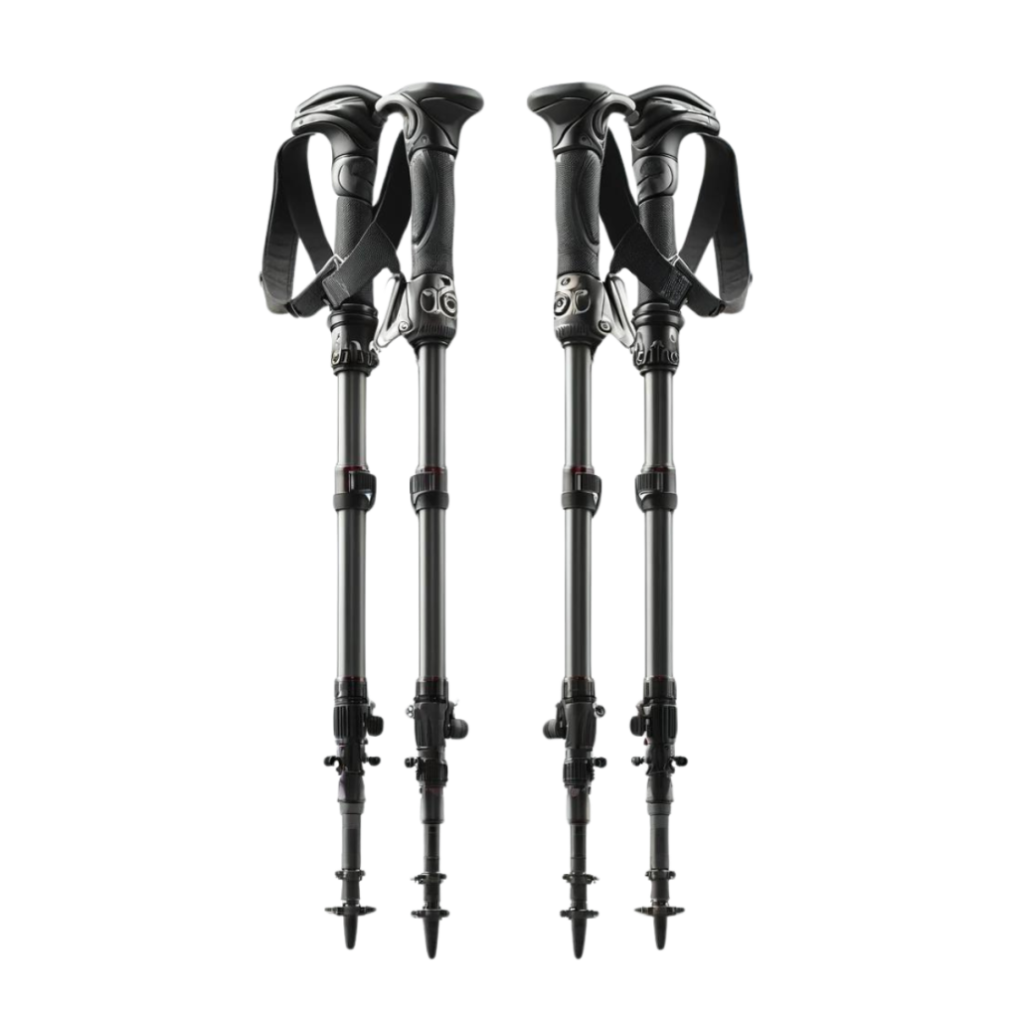
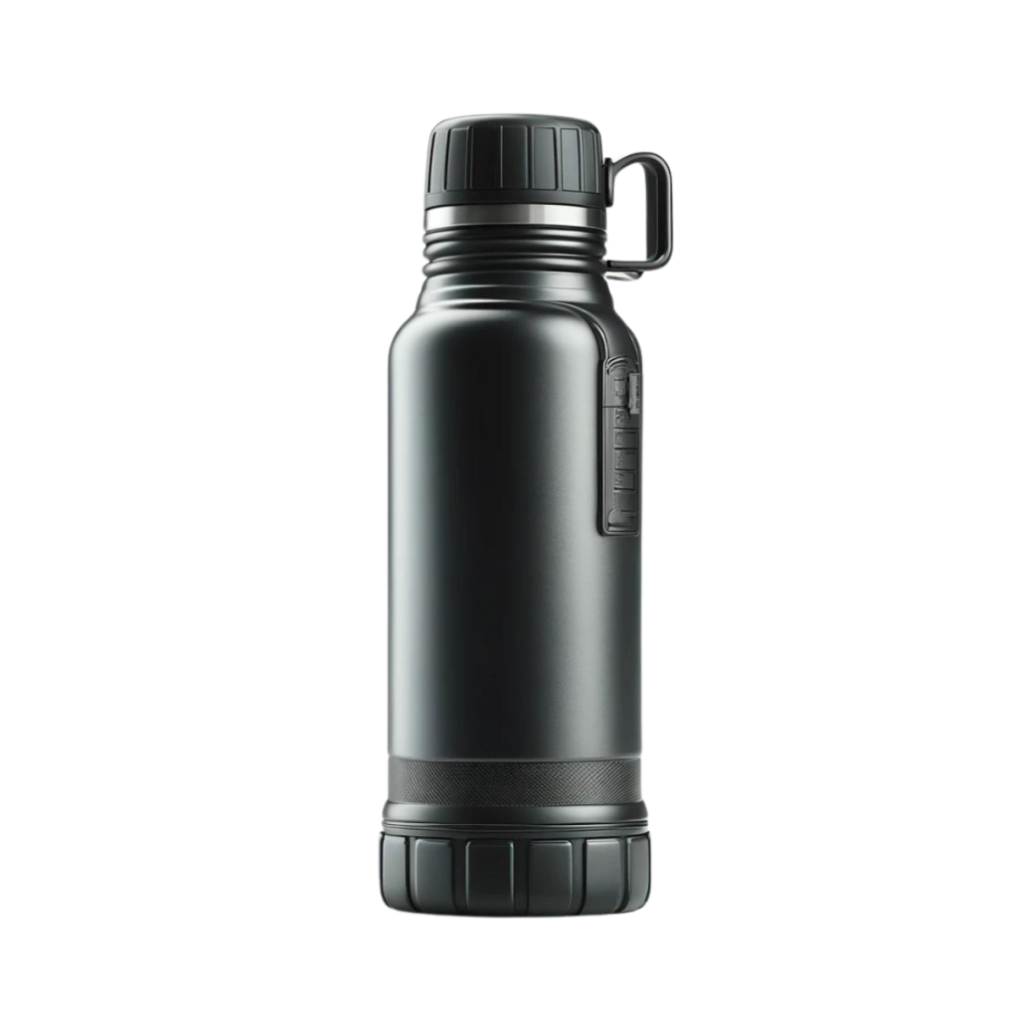
Navigational & Survival Gear:

  • 20-30L Backpack (for water, snacks, fleece, etc.)
  • 50-60L Backpack / Duffle Bag
  • 1 trekking pole (or 2 for better balance)
  • Filter water bottle (2 bottles of 1 Ltrs)
  • Thermos flask (for warm water or tea)

Personal Care Compact:

  • Toothbrush & toothpaste
  • Face towel, tissues & wet wipes
  • Hand sanitizer & lip balm
  • Moisturizer (optional but helpful in dry climate)
  • Personal medication kit
  • Sunscreen (SPF 50+)

Illumination & Eye Protection:

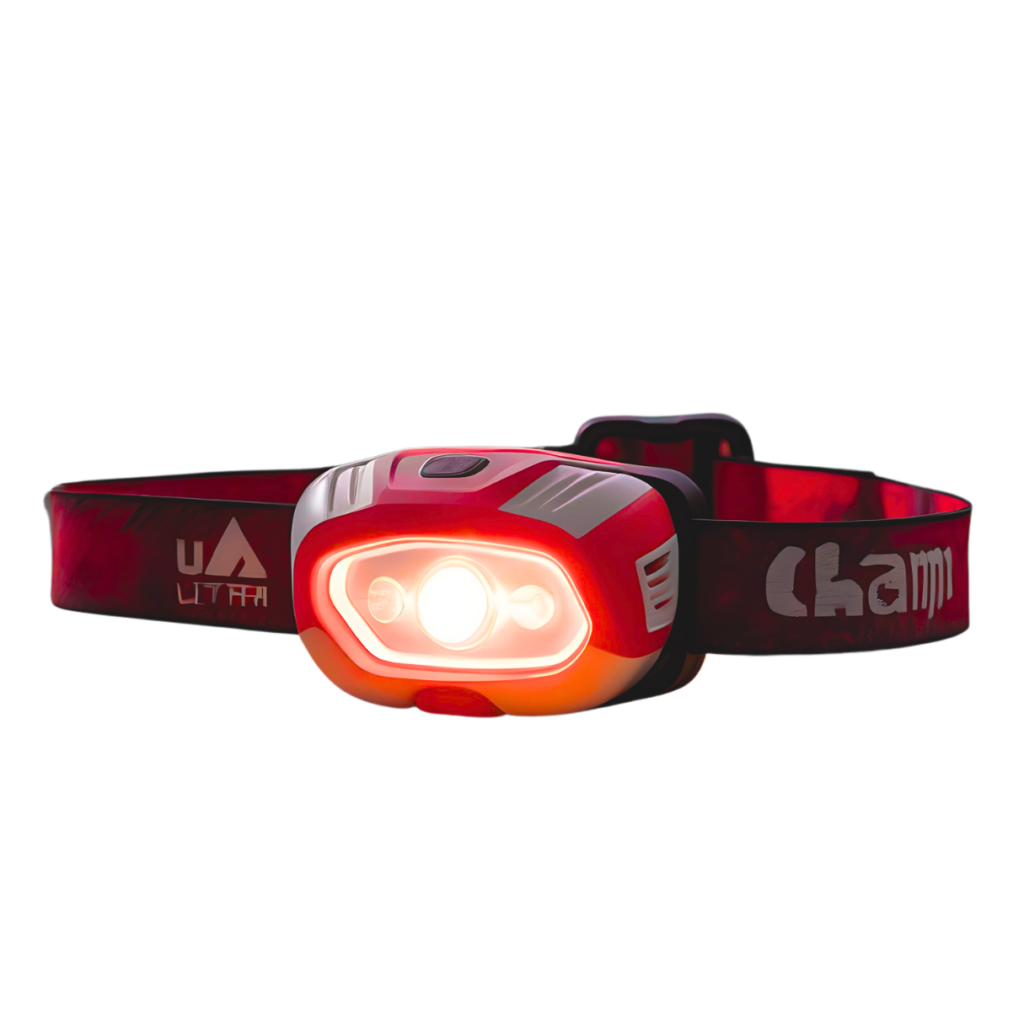
  • Headlamp with extra batteries – a must-have for night treks and early morning starts
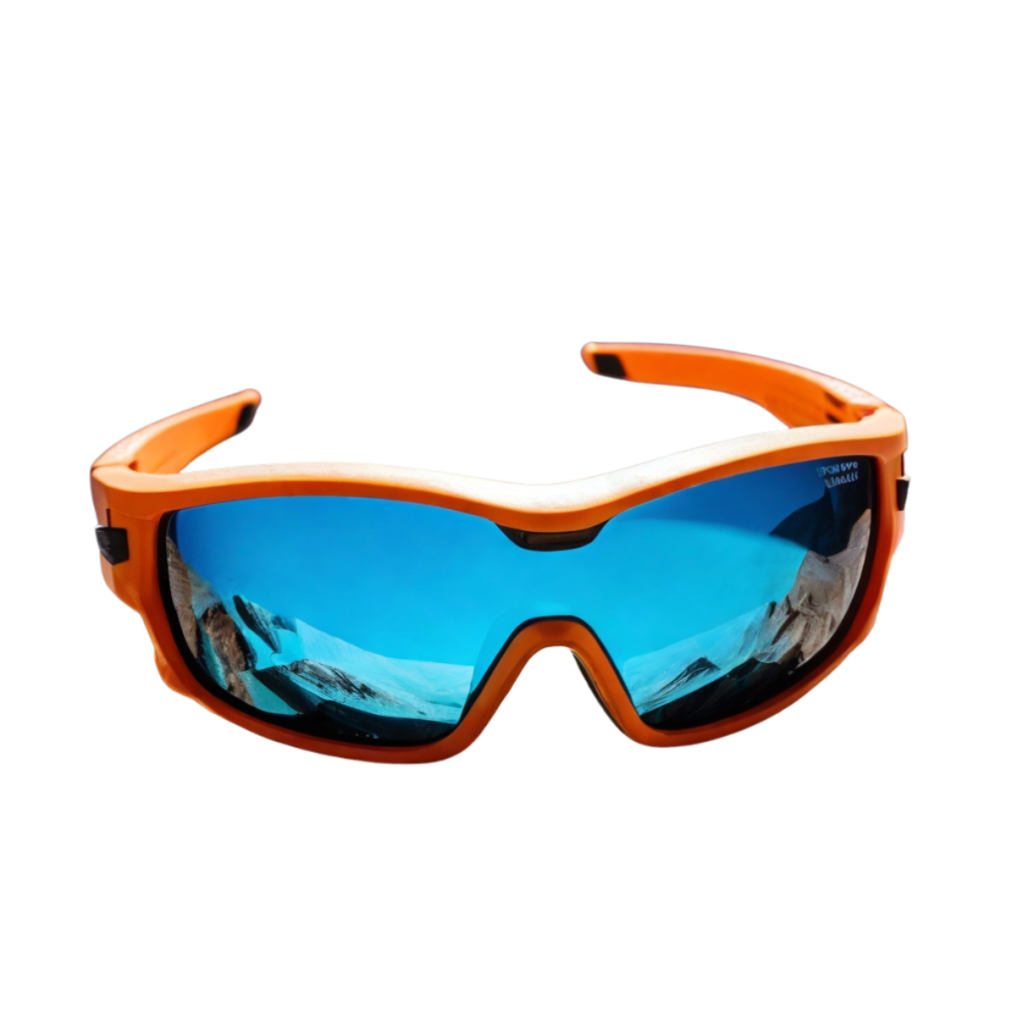
  • Sunglasses – Polarized, Category 4 with 100% UV protection and a wrap-around fit to guard your eyes from harsh sun glare and snowy reflections. Carry a backup pair just in case.

Soul Nourishment:

  • Camera – capture the beauty and magic of the mountains
  • Music player or earphones – enjoy peaceful moments with your favorite tunes
  • Books or playing cards – perfect for downtime and relaxing at camp
 

*Rental Gears Required*
Visit our Contracted Business Partner website – Summit Yak
for details on trek-specific rental gears and rates.

Frequently asked questions

This expedition combines the high-altitude climb of Kang Yatse II and the summit attempt on Dzo Jongo. You’ll encounter:

  • high-altitude trekking trails
  • glacier travel and snow/ice slopes
  • steep summit slopes
  • rocky and exposed sections requiring secure footing
    Both peaks involve snow and ice movement, but neither is highly technical.
  • Kang Yatse II: approx 6,250 m (20,505 ft)
  • Dzo Jongo: approx 6,294 m (20,646 ft)
    This means significant time above 5,000 m with demanding summit sections.

This is a moderate to technical high-altitude expedition. The summit approaches involve:

  • steep snow/ice slopes
  • glacier travel
  • use of crampons and ice axe
    It is not suitable for beginners and requires good high-altitude experience.

You should be comfortable with:

  • crampon and ice-axe usage
  • glacier travel
  • steep terrain and high-altitude exposure
    Prior experience on 5,000 m+ peaks and snow/ice travel is strongly recommended.

➡️ Detailed training and skill requirements are included in the Preparation Guide.

  1. What is the best season to attempt this expedition?

The most suitable climbing windows are:

  • July–Aug–September

These seasons offer the best weather stability and clearer views in the region.

Typical itineraries span 15–20 days, including:

  • approach trek
  • acclimatization days
  • summit attempts on both peaks
    Daily trekking and climbing days can range from 6 to 10+ hours, depending on terrain and conditions.

You must have:

  • strong cardiovascular endurance
  • high-altitude trekking stamina
  • mental resilience for multi-day altitude exposure

➡️ Refer to the Preparation Guide for detailed training and conditioning advice.

Essential gear includes:

  • mountaineering boots compatible with crampons
  • crampons and ice axe
  • harness, helmet, carabiners
  • high-altitude layers
    A full gear checklist is provided in the Preparation Guide.

Water is obtained from glacial streams and snow melt. The expedition team treats water, but climbers should carry personal purification tablets or filer water bottles as backup

  • A dedicated WhatsApp group will be created post-registration for preparation and coordination queries.
  • Zoom briefing sessions will be conducted to:
    • Walk through the expedition flow
    • Explain technical expectations
    • Clarify individual doubts
  • Each session will include a Q&A segment.

The Kang Yatse II & Dzo Jongo Expedition offers a blend of high-altitude climbing challenges with stunning Himalayan views. With proper training, acclimatization, and respect for mountain conditions, it can be a rewarding and memorable experience.

WHY CHOOSE US

01

Trustworthy​

We always prioritize customer confort and satisfaction. thats why we only accept the best.

02

Success Rate

We always prioritize customer confort and satisfaction. thats why we only accept the best.

03

Customized

We always prioritize customer confort and satisfaction. thats why we only accept the best.

04

Experience

We always prioritize customer confort and satisfaction. thats why we only accept the best.

05

Eco-Friendly

We always prioritize customer confort and satisfaction. thats why we only accept the best.

06

Variety of Destination

We always prioritize customer confort and satisfaction. thats why we only accept the best.

SAFETY MEASURES

Boots & Crampons staff of highly trained professional guides is here to make your journey as safe and secure as possible. All of our trekking guides are medically certified and have abundant experience using their training in mountainous environments.

Our safety standards are based on the experiences of our founder, managing risk in some of the world’s most hostile environments.

While we advise our trekkers to carry light, our guides are always prepared with:

  • Medical Kit containing High Altitude Emergency Medicines and Life Saving Drugs
  • Oximeter to measure pulse rate and oxygen saturation in blood while on the trek
  • Back-Up Oxygen Cylinders (or they are stationed in High Camps
  • Oxygen Cylinders ONLY for climbs above 6000 Mtrs.

Still have questions?

Be it queries about the trek, customization or anything else, our team is eager to assist you.

Need your questions answered right away?

Get in touch with us at

YOU MAY ALSO LIKE

Discover similar treks from Boots & Crampons that quench your thirst for adventure.