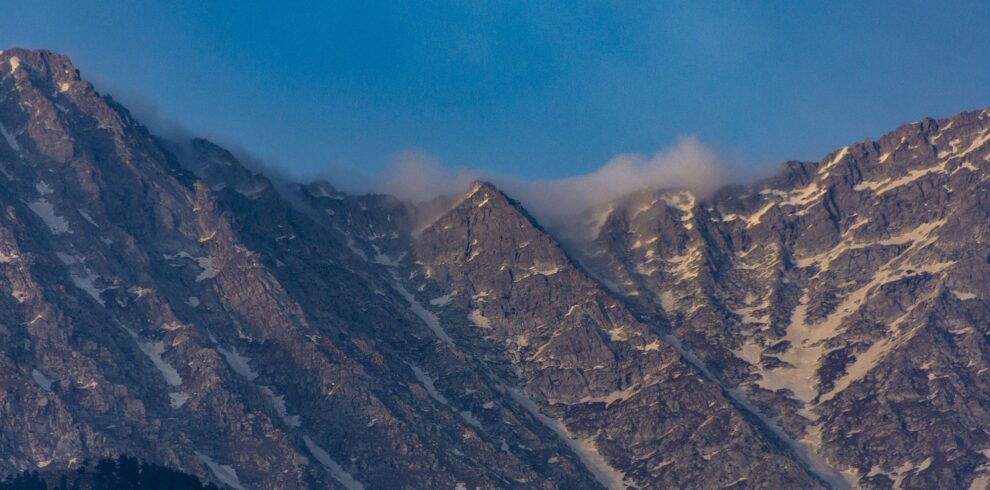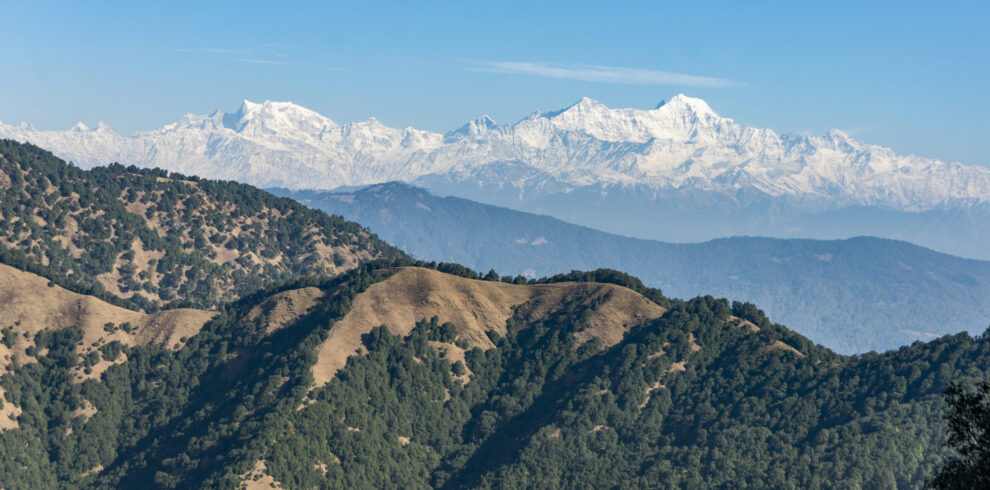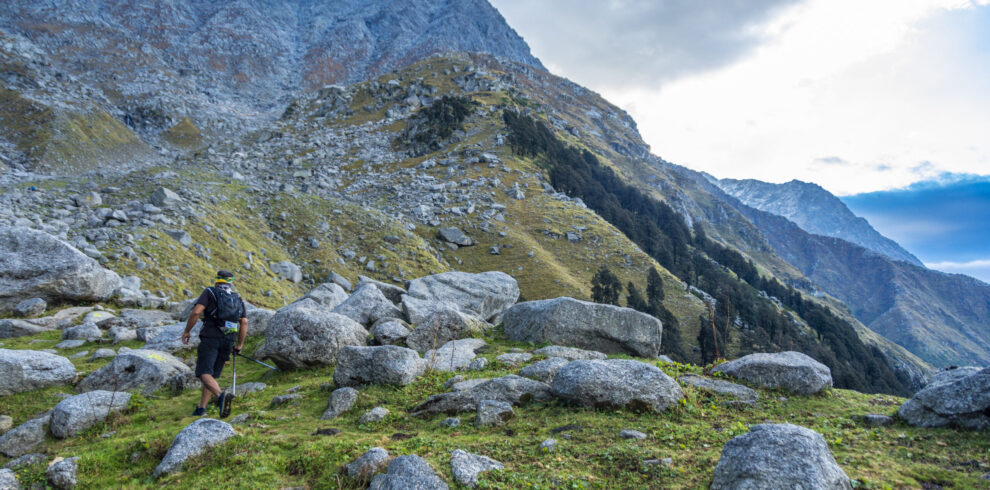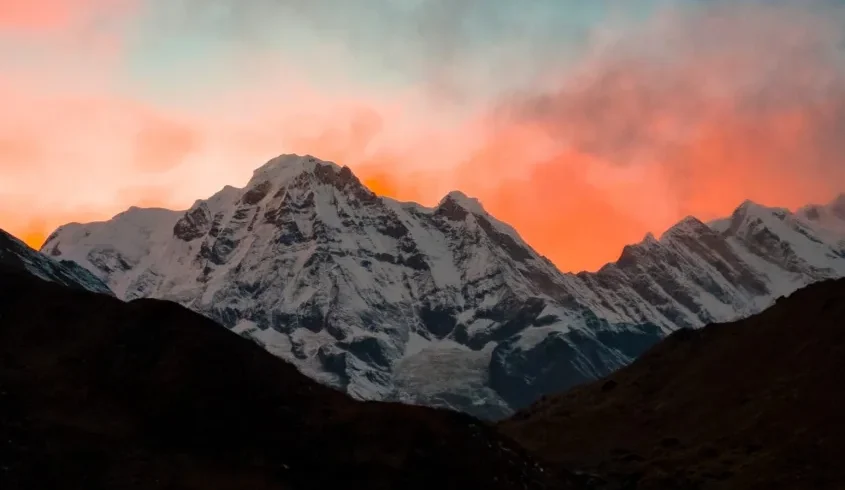
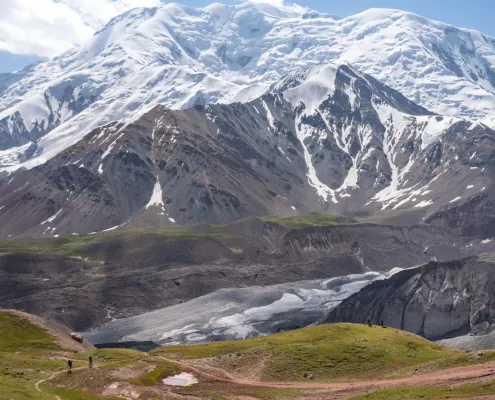
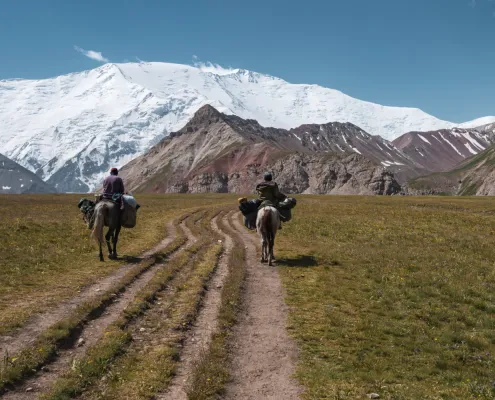
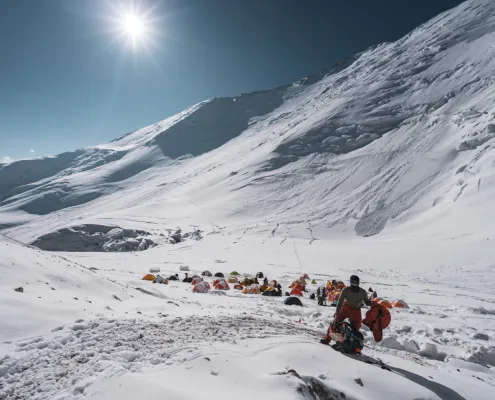
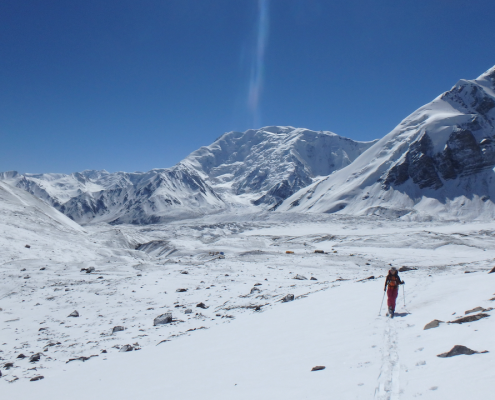
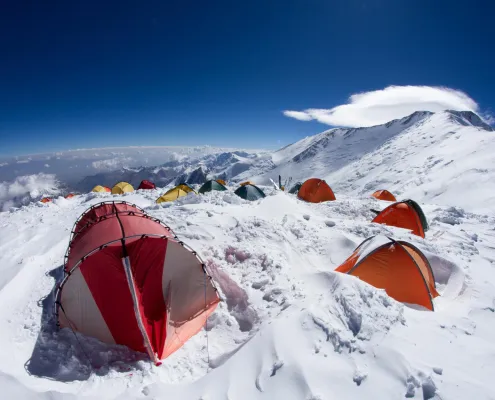
Lenin Peak, standing tall at an elevation of 7,134 meters, is a majestic mountain located in the Pamir Mountains of Central Asia, on the border between Kyrgyzstan and Tajikistan. It is one of the most popular peaks in the region and attracts mountaineers from around the world. Lenin Peak is named after the Soviet leader, Vladimir Lenin, and has a rich history dating back to the Soviet era.
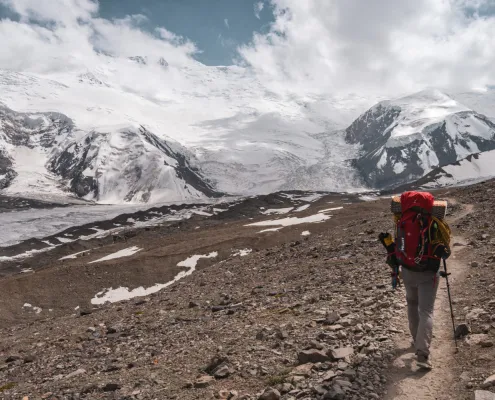
The Lenin Peak Expedition is a challenging but rewarding mountaineering adventure that takes trekkers through some of the most remote and breathtaking landscapes in Central Asia. The trek to the peak usually begins from the base camp in Kyrgyzstan, which can be accessed via a drive from the capital city, Bishkek. The trek involves crossing several high-altitude passes, traversing glaciers, and ascending steep slopes.
The climb to the summit of Lenin Peak is not too technical, but it surely requires a high level of physical fitness and endurance, and prior high-altitude climbing experience. The climb usually takes a little over 3 weeks to complete, including acclimatization days and rest days. The best time to undertake this expedition is during the summer months of July and September when the weather is relatively stable and the conditions are favorable for climbing.
The Lenin Peak Expedition offers climbers an opportunity to explore the unspoiled wilderness of the Pamir Mountains, with its rugged peaks, sprawling glaciers, and stunning alpine landscapes. Let us plan one for you.
Arrive at Osh International Airport, where our team will receive you and transfer you to the hotel. The rest of the day is reserved for rest after travel. In the evening, a detailed expedition briefing is conducted covering logistics, climbing strategy, safety protocols, weather patterns, and equipment checks. This is also an opportunity to meet fellow climbers and the expedition staff. Overnight stay at the hotel in Osh.
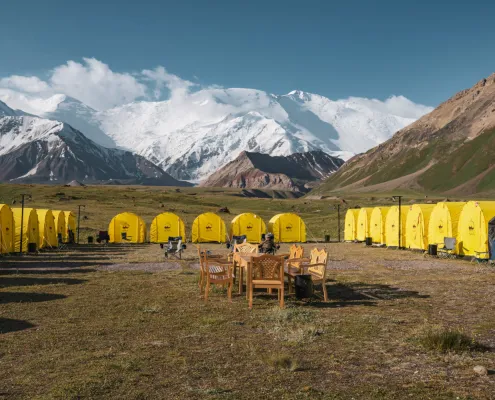
After breakfast, we begin a scenic 5–6 hour drive from Osh to the Achik Tash Base Camp, passing through the expansive Alay Valley with stunning views of the Trans-Alay Range. The dramatic mountain scenery provides the first glimpse of the expedition environment. Upon arrival at Base Camp, we settle into our tents, familiarize ourselves with camp facilities, and rest. Overnight stay at Base Camp.
Today is dedicated to gentle acclimatization. We take a light walk from Base Camp to a nearby waterfall, gaining minimal altitude while allowing the body to begin adapting to the thinner air. The relaxed pace helps stimulate acclimatization without overexertion. The remainder of the day is spent resting, hydrating, and enjoying views of Lenin Peak. Overnight stay at Base Camp.
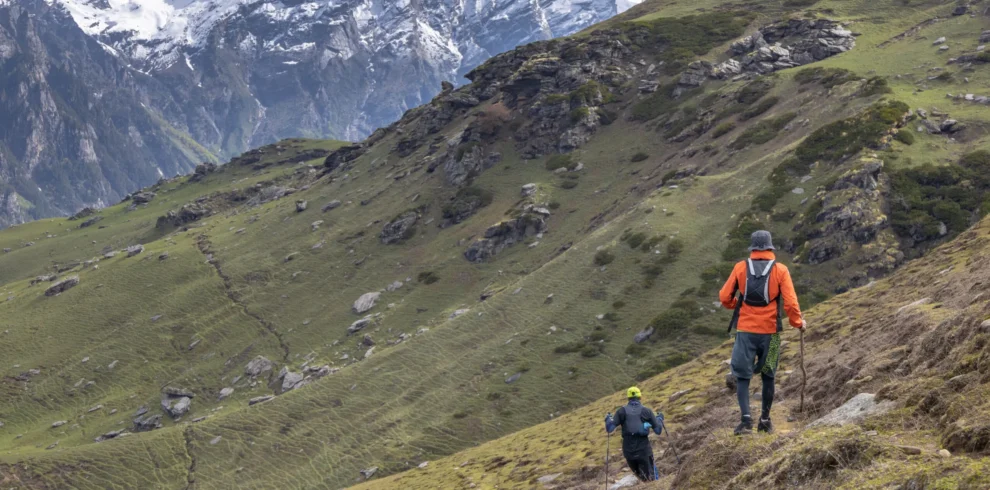
We continue acclimatization with a gradual hike toward the Petrovsky Peak ridge. This hike offers steady altitude gain and rewards us with sweeping panoramic views of glaciers, snowfields, and surrounding peaks of the Pamir range. After spending time at higher elevation, we descend back to Base Camp. This climb-high, sleep-low strategy is crucial for successful acclimatization. Overnight stay at Base Camp.
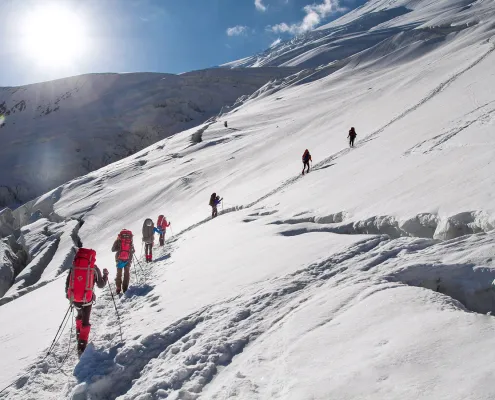
After an early start, we begin our ascent to Camp 1, crossing moraines and glacier terrain via the Puteshestvennikov Pass. This section introduces us to glacial travel and rope techniques. The ascent is steady and takes several hours depending on conditions. Upon reaching Camp 1, we set up camp, rehydrate, and rest. Overnight stay in tents at Camp 1.
This is a technical training and acclimatization day. Under the guidance of experienced mountain guides, we practice essential alpine skills including ice climbing, rope work, crevasse rescue techniques, and snow anchoring. Those feeling strong and well-acclimatized may attempt the optional ascent of Yukhin Peak (5,100m), which provides excellent altitude conditioning and confidence-building. After activities, we return to Camp 1. Overnight stay at Camp 1.
We descend from Camp 1 back to Base Camp, allowing the body to recover after the initial acclimatization rotation. The afternoon is spent resting, drying gear, reviewing equipment, and preparing for higher camps. Overnight stay at Base Camp.
After adequate rest, we begin our ascent to Camp 2. The route involves gradual climbing across glacier terrain, requiring careful movement and constant awareness of crevasses. The pace remains slow and controlled to ensure proper acclimatization. On arrival, we establish Camp 2 and rest. Overnight stay in tents at Camp 2.
Today’s ascent takes us to Camp 3, positioned high on the mountain. The route is steeper and more demanding, with extensive glacier travel and exposure to high-altitude conditions. Upon reaching Camp 3, we focus on hydration, nutrition, and rest while mentally preparing for summit day. Overnight stay in tents at Camp 3.
We descend gradually from Camp 3 back to Base Camp via Camp 2 and Camp 1. These days are intentionally kept flexible to allow proper recovery after high-altitude exposure. At Base Camp, climbers rest, regain strength, monitor weather forecasts, and make final preparations for the summit rotation. Overnight stays at Base Camp.
With acclimatization complete, we begin the summit rotation. The climb to Camp 1 is steady and familiar, allowing climbers to move efficiently. Upon arrival, we rest, hydrate, and prepare for the next stage. Overnight stay at Camp 1.
We ascend from Camp 1 to Camp 2, traversing crevassed glacier sections with careful rope management. The pace remains slow and deliberate. Once at Camp 2, we rest, refuel, and monitor physical condition. Overnight stay at Camp 2.
Today we move up to Camp 3, our high camp before the summit attempt. The climb is physically demanding due to altitude, and all efforts are focused on conserving energy. On arrival, we finalize summit gear, receive the summit briefing, and rest as much as possible. Overnight stay at Camp 3.
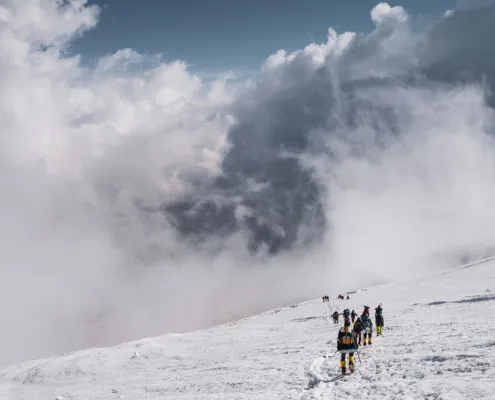
We begin our summit push very early in the morning under headlamp light. The route involves sustained climbing over snow and ice with long, demanding sections at extreme altitude. After several hours, we reach the summit of Lenin Peak (7,134m), offering vast panoramic views across the Pamir Mountains. After a brief but memorable time at the top, we descend carefully back to Camp 3 for overnight recovery.
After breakfast, we descend from Camp 3 to Camp 1, retracing the glacier route with caution. The significant loss in altitude provides noticeable relief. Overnight stay at Camp 1.
We complete our descent back to Base Camp. Upon arrival, we celebrate the successful summit and enjoy a well-earned rest with the expedition team. Overnight stay at Base Camp.
This day is kept as a contingency buffer for bad weather, delayed summit attempts, or additional rest if required. It increases overall safety and summit success chances. Overnight stay at Base Camp.
We pack up and begin the long but scenic drive back to Osh through the Alay Valley. Upon arrival, we check into the hotel and enjoy hot showers, good food, and rest after the expedition. Overnight stay at the hotel in Osh.
After breakfast, we transfer to Osh International Airport for onward departure. The expedition officially concludes, leaving climbers with unforgettable memories of summiting one of the world’s great 7,000-meter peaks.
Please read carefully before registering
At Boots & Crampons, preparation is not optional. The level of training required depends on the duration, altitude, and technical difficulty of the trek or expedition you are signing up for.
Proper preparation increases not just your chances of success, but also your safety and enjoyment in the mountains.

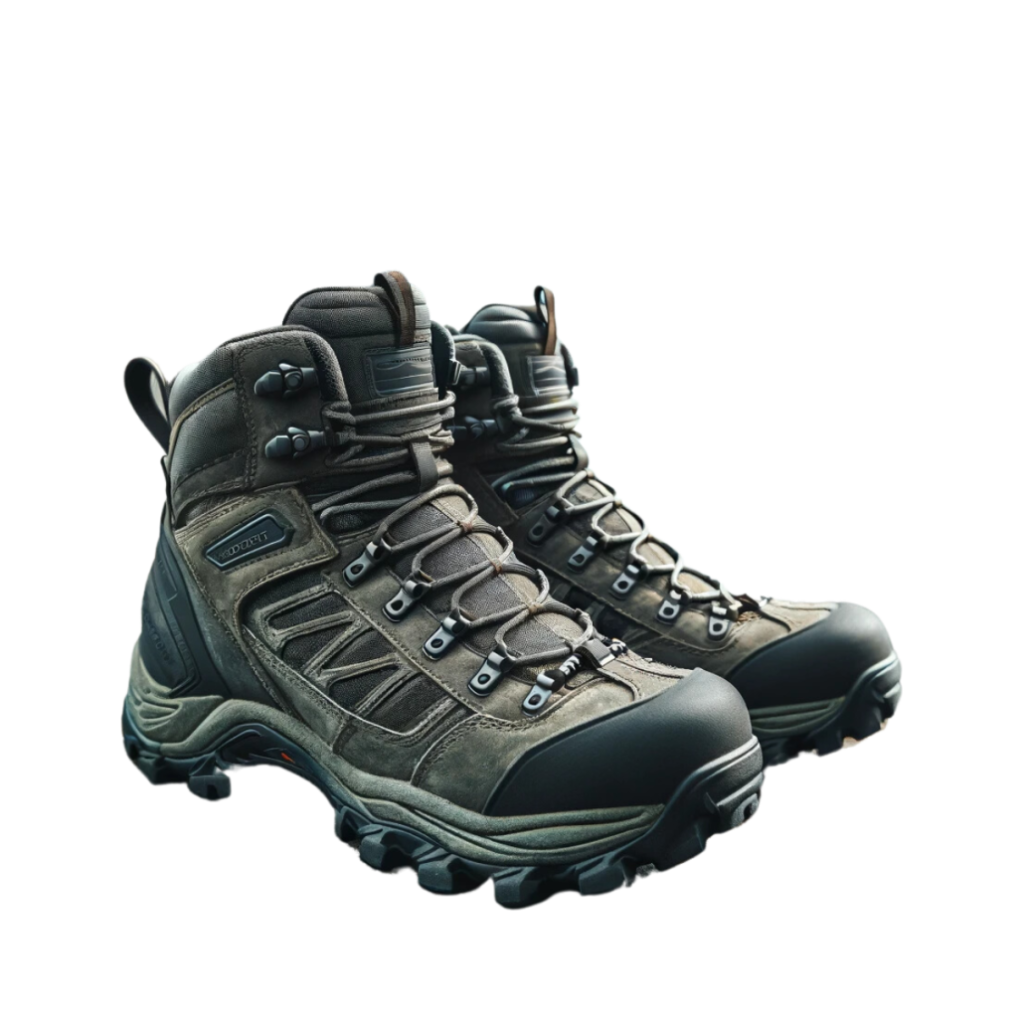
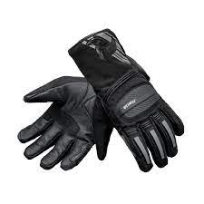
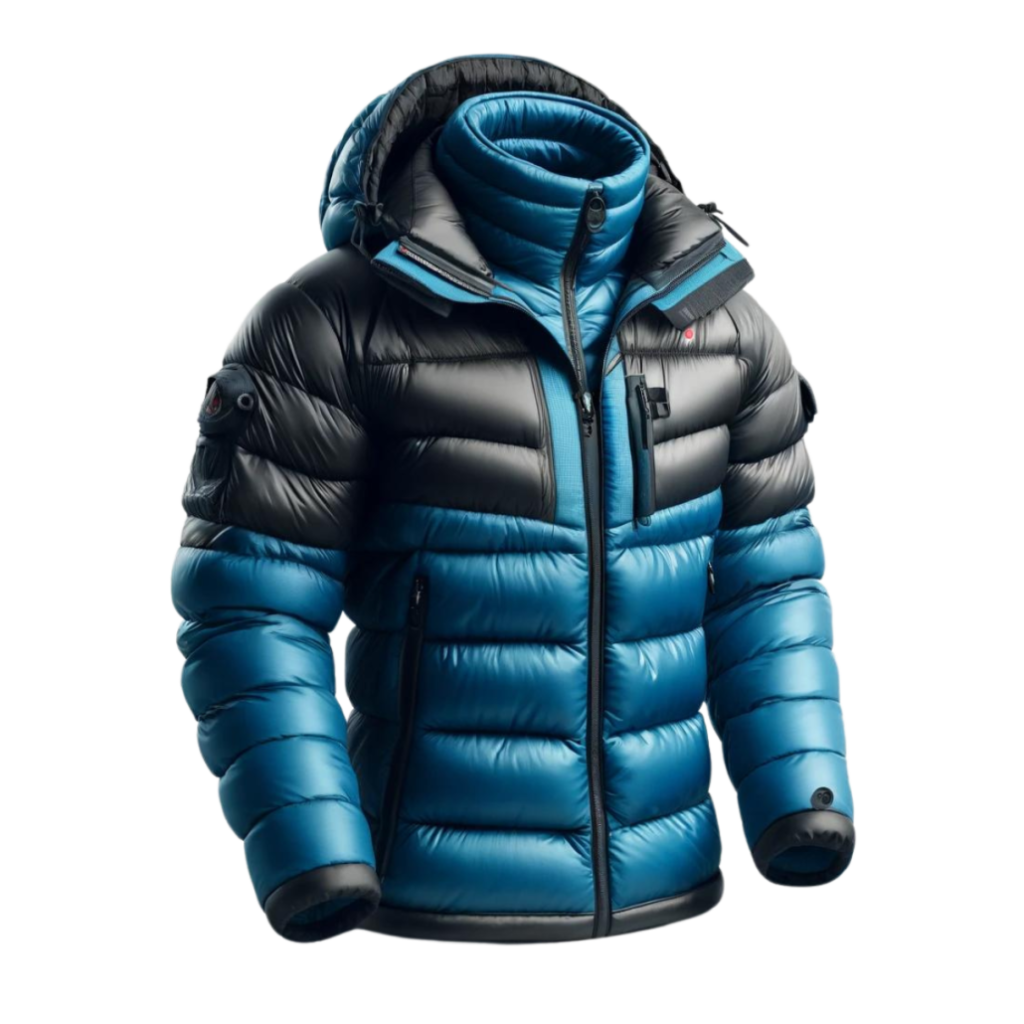
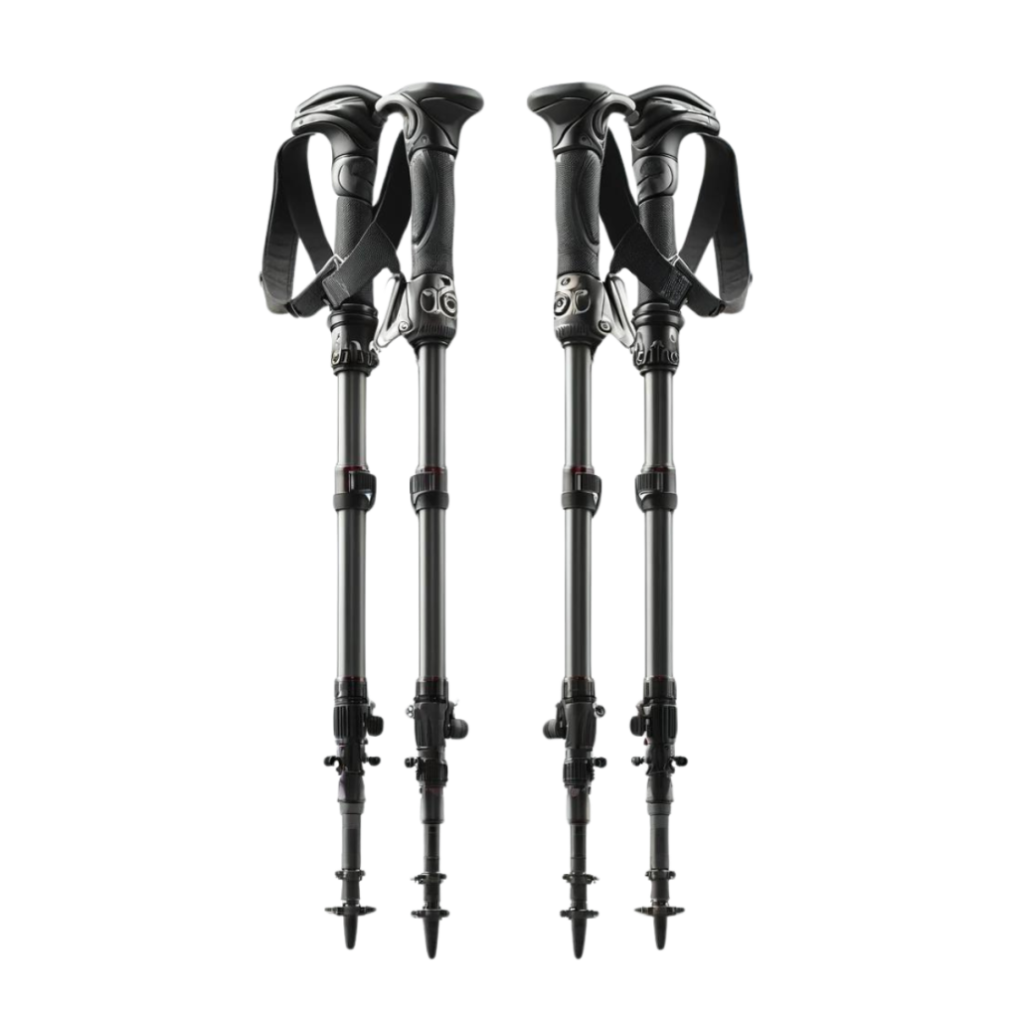
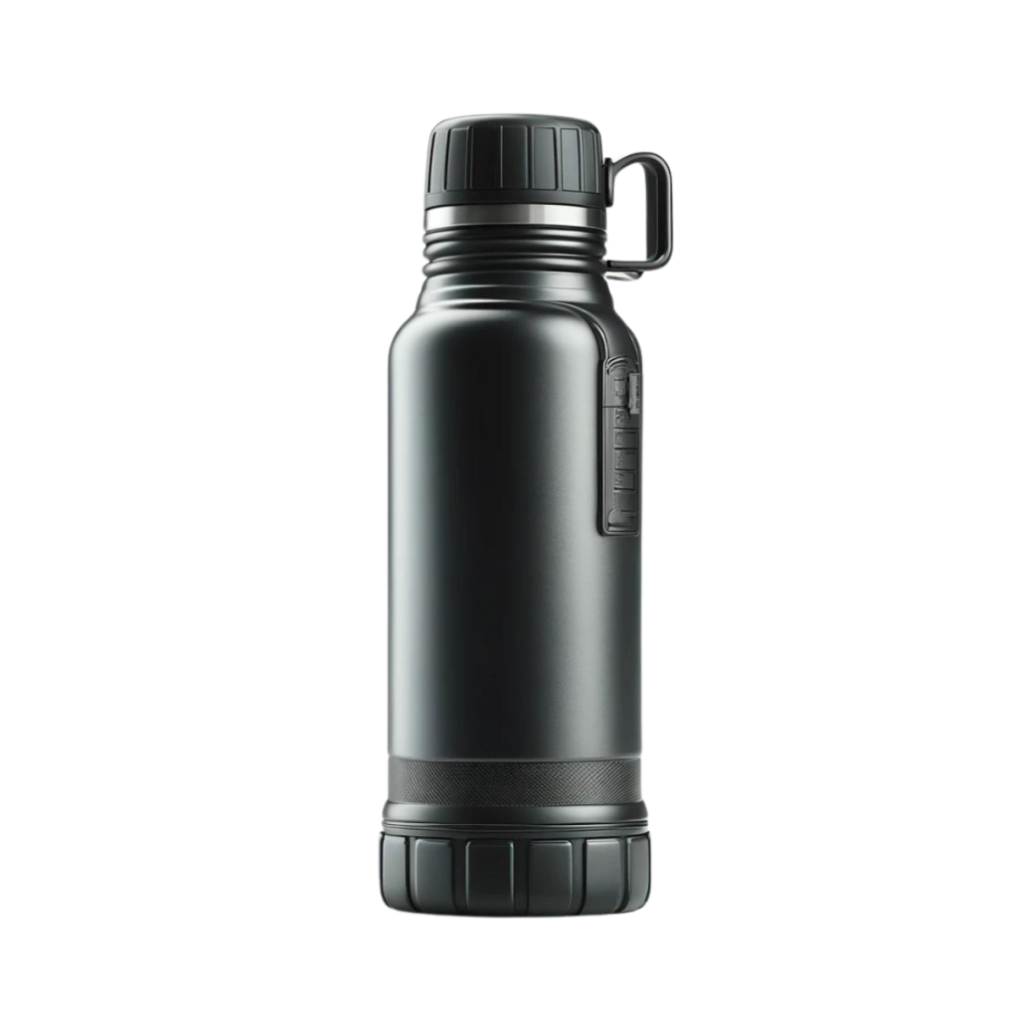


*Rental Gears Required*
Visit our Contracted Business Partner website – Summit Yak
for details on trek-specific rental gears and rates.
The expedition covers high-altitude trekking, glacier travel, steep snow and ice slopes, and final summit ridge sections. While the climb is not technically difficult like advanced rock routes, it involves steep, sustained snow/ice sections where crampons and ice axes are essential. Fixed ropes are used in certain steep segments during the main climbing season.
The summit of Lenin Peak (also known as Ibn Sina Peak) reaches 7,134 m (23,406 ft) — making it one of the more accessible 7000-metre peaks in the world.
Lenin Peak is considered one of the most attainable 7,000 m expeditions, but it is still a serious high-altitude challenge. While it does not require advanced technical climbing skills, the long days, high altitude, cold, and exposure make it demanding. Proficiency in glacier travel and snow/ice movement is essential.
Yes — this expedition requires:
The optimal climbing window is summer, mainly July and August, when snow and weather conditions are most stable. Base camps and high camps are typically operated during this period.
The expedition usually takes about 3 weeks (14–21+ days), including approach, acclimatization, and summit attempt days. Multiple nights above 4,000 m and 5,000 m are standard to support altitude adaptation.
Participants should have:
➡️ Refer to the Preparation Guide for detailed conditioning and training expectations.
Key equipment includes:
Detailed gear lists are in the Preparation Guide.
Water is obtained from glacial streams and snow melt. The expedition team treats water, but climbers should carry personal purification tablets or filer water bottles as backup
Lenin Peak offers one of the best introductions to high-altitude expedition climbing, blending snow/ice travel with summit achievement above 7,000 m. With good preparation, acclimatization, and respect for mountain conditions, this expedition is both challenging and immensely rewarding.
Boots & Crampons staff of highly trained professional guides is here to make your journey as safe and secure as possible. All of our trekking guides are medically certified and have abundant experience using their training in mountainous environments.
Our safety standards are based on the experiences of our founder, managing risk in some of the world’s most hostile environments.
While we advise our trekkers to carry light, our guides are always prepared with:
Be it queries about the trek, customization or anything else, our team is eager to assist you.
Need your questions answered right away?
Get in touch with us at
Discover similar treks from Boots & Crampons that quench your thirst for adventure.

Discover similar treks from Boots & Crampons that quench your thirst for adventure.