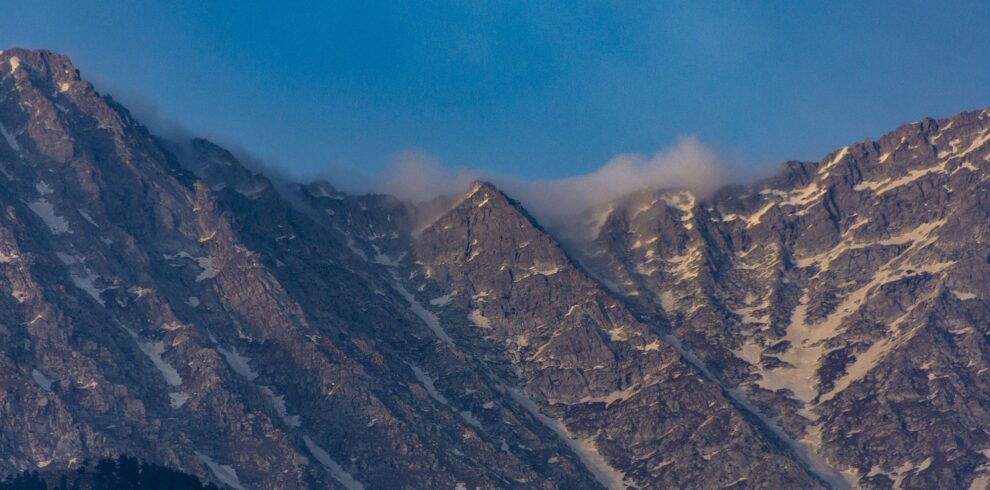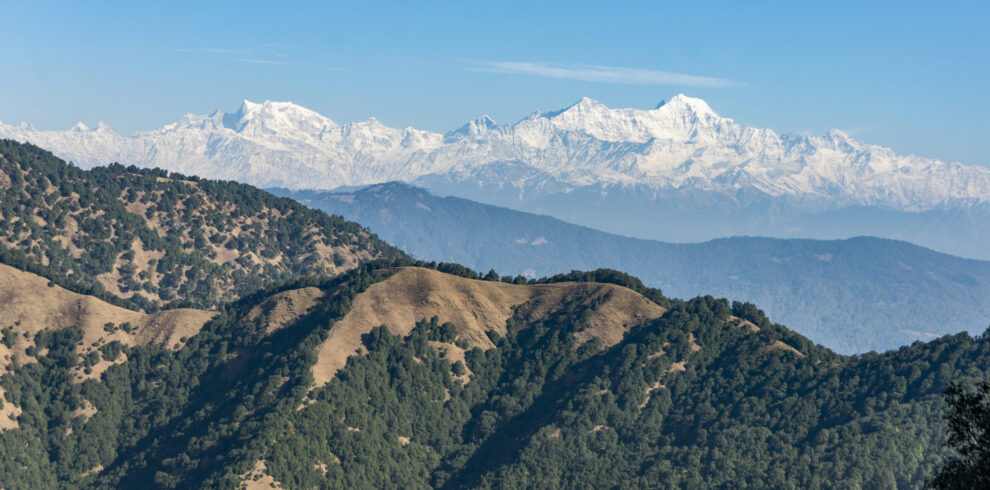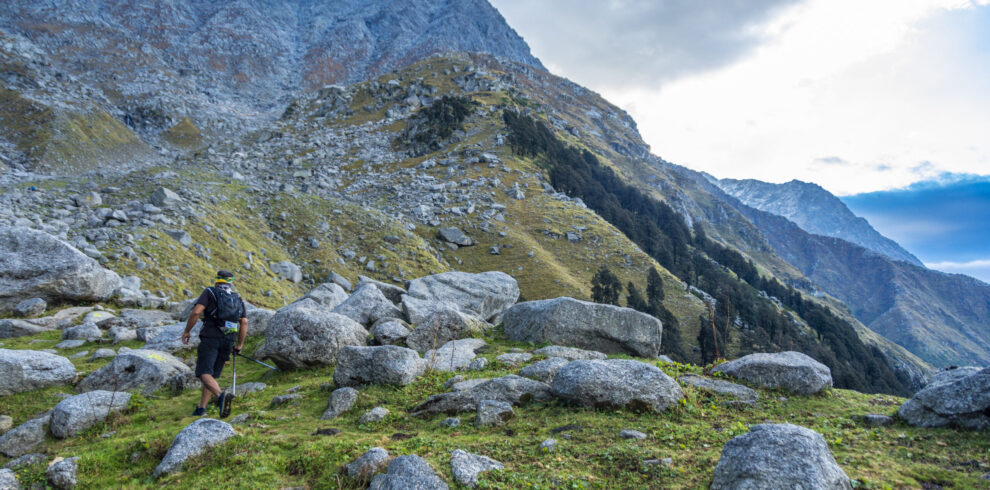
Mount Aconcagua, the highest mountain outside Asia at 6,961 m, is a true test of endurance, resilience, and patience. Though non-technical by standard routes, it is an extreme altitude expedition where physical conditioning and mental toughness are paramount.
The climb involves long approach treks, multiple acclimatization rotations, and extended stays at high camps. Winds can be brutal, temperatures extreme, and summit days relentlessly long. Above 6,000 m, the mountain strips away comfort — every movement is slow, deliberate, and exhausting.
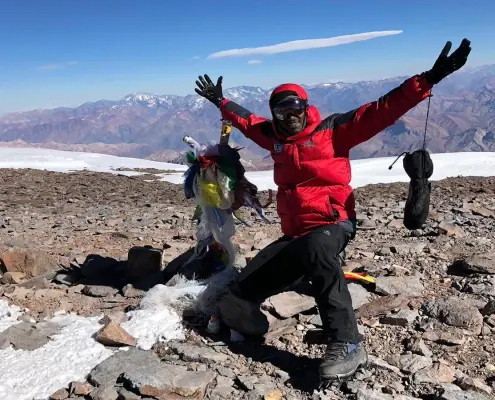
Summit day often stretches beyond 12 hours, with climbers battling altitude, cold, and fatigue. Standing on the summit of Aconcagua is a profound achievement, earned through discipline and persistence rather than technical skill.
This expedition is ideal for experienced high-altitude trekkers and climbers preparing for 7000–8000 m objectives.
Note: Prices mentioned are applicable for Indian passport holders. For foreign passport holders, the cost may vary. Please connect with the Boots & Crampons team for clarity.
Note: An indemnity document will be shared before the expedition. Signing it is mandatory.
We meet on arrival at Mendoza airport and transfer to our comfortable hotel in the heart of Mendoza. The rest of the day is free to relax or explore. Tonight, we meet the leader and other expedition members
After breakfast, we transfer to the trekking permit office in Mendoza. From here, we travel around 3 hours to our comfortable hotel in Puente del Inca, 2700m, with private bathrooms, hot water, and half board
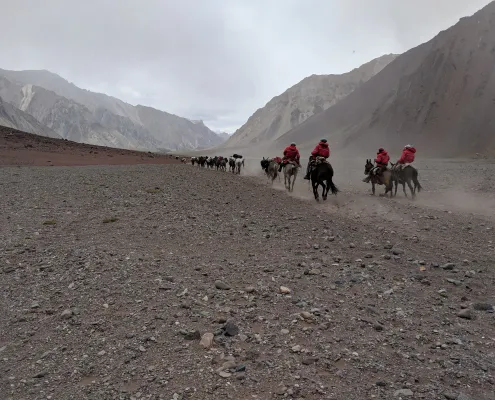
We transfer up to the Aconcagua Normal Route entrance, 2820m, where our permits are checked. Our equipment is loaded on the mules for the journey to Plaza de Mulas (Base Camp). We say goodbye to motorized transport and begin our trek. It’s a 2.5 – 3.5 hr trek to our first camp at Confluencia (3320m), where the Horcones and Lower Horcones Rivers meet. We spend our first night camping.
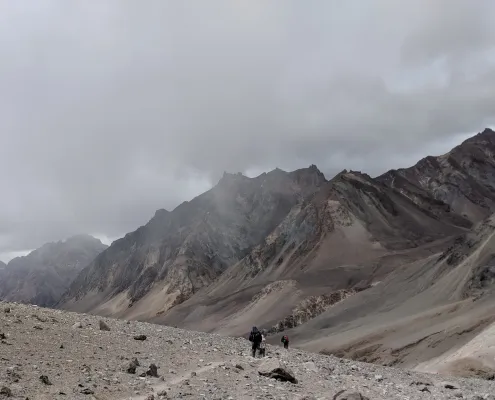
To maximize our chances on the mountain, acclimatization is key. We spend the day resting and trekking in the area. Our trek takes us back to the bridge over the lower Horcones River, then up the valley to visit the Horcones Glacier. From here, we have spectacular views of Aconcagua’s South face towering above us. We return to Confluencia camp (3320m).
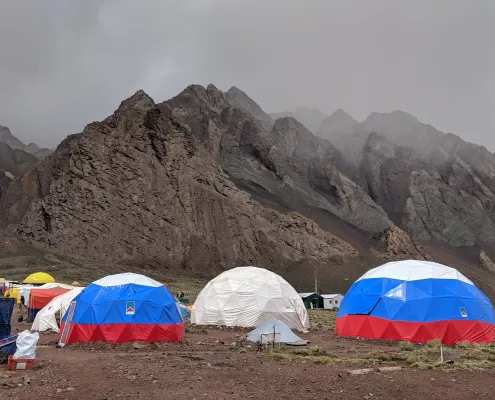
Leaving Confluencia, we trek up to Plaza de Mulas (4200m), our base camp for the expedition. The trek takes around 7 to 8 hours as we follow the Horcones Valley. The valley widens out, and the last remnants of vegetation disappear. We have use of the eco toilet/shower at our camp
To maximize our chances on the mountain, today is an acclimatization day. Climbers are free to relax or explore the surrounding area
To increase our chances on the mountain, we make an ascent to Mount Bonete (5000m). This trek takes about 5 to 6 hours, after which we return to Plaza de Mulas camp
Today, we move our equipment to ‘Camp 1,’ also known as Canada Camp (4877m). Carrying our equipment, it’s slow going, zigzagging up to our camp, a climb of around 6 to 7 hours. Afterward, we return to Plaza de Mulas camp
Again, to maximize our chances on the mountain, today is another acclimatization day. Our walk today is to the Higher Horcones Glacier, where we can re-familiarize ourselves with our boots and crampons. Our expert local guides will give an explanation and demonstration on glacier climbing. Climbers are free to relax or explore afterward
Today, we leave Plaza de Mulas and trek up to ‘Camp 1’ (4877m) once again with the remainder of our equipment. The climb today is challenging, so hydration is key. The trek should take around 3 to 4 hours, with the remainder of the day to rest.
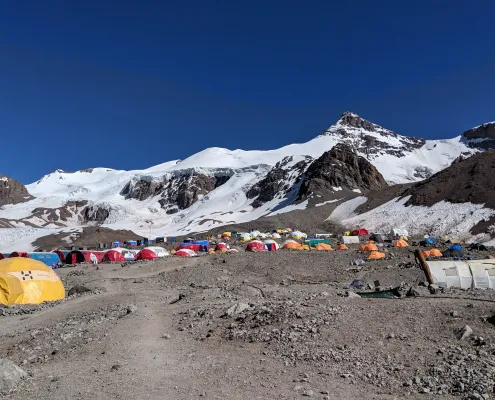
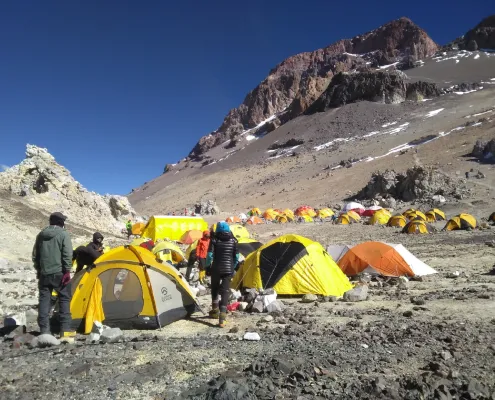
We continue our ascent, carrying our equipment to ‘Camp 2,’ also known as Nido de Condores (5365m), a large gravel-strewn plateau with rocks and boulders. The climb today should take around 3 to 3.5 hours. In the afternoon, there’s time to relax or explore the area.
Today is another rest day at Nido de Condores, where climbers can relax or explore the surrounding area
Leaving ‘Camp 2’ (Nido de Condores), we climb with our equipment to ‘Camp 3,’ also known as Colera. The climb today is at an easy pace and should take around 3 hours. Upon arrival, it’s important to keep active to help with acclimatization.
We leave camp early in the morning on our journey to the summit. We follow the normal route past the ruined Independencia hut (6400m), then continue to Cresta del Viento (Windy Ridge) and across the Gran Acarreo (long haul) to the foot of the Canaleta. The Canaleta, a 400m high, 33-degree chute filled with loose rocks, ice, and snow, is the hardest part of our climb. The final push takes us to the summit at 6960m (22,841ft). After taking in the incredible views, we descend back to ‘Camp 3.’
Following the same route, we descend to Plaza de Mulas base camp, where we repack our equipment for the mules to carry. The descent takes around 5 to 6 hours.
The mules go ahead with our equipment as we continue the last leg of our climb back to the park entrance. We are then transferred back to our comfortable hotel in Mendoza. Tonight, we can relax and celebrate our climb
Our tour finishes after breakfast, with a transfer to the airport for your departure.
Spare day for a second summit ascent if necessary due to poor weather conditions.
Spare day for a second summit ascent if necessary due to poor weather conditions.
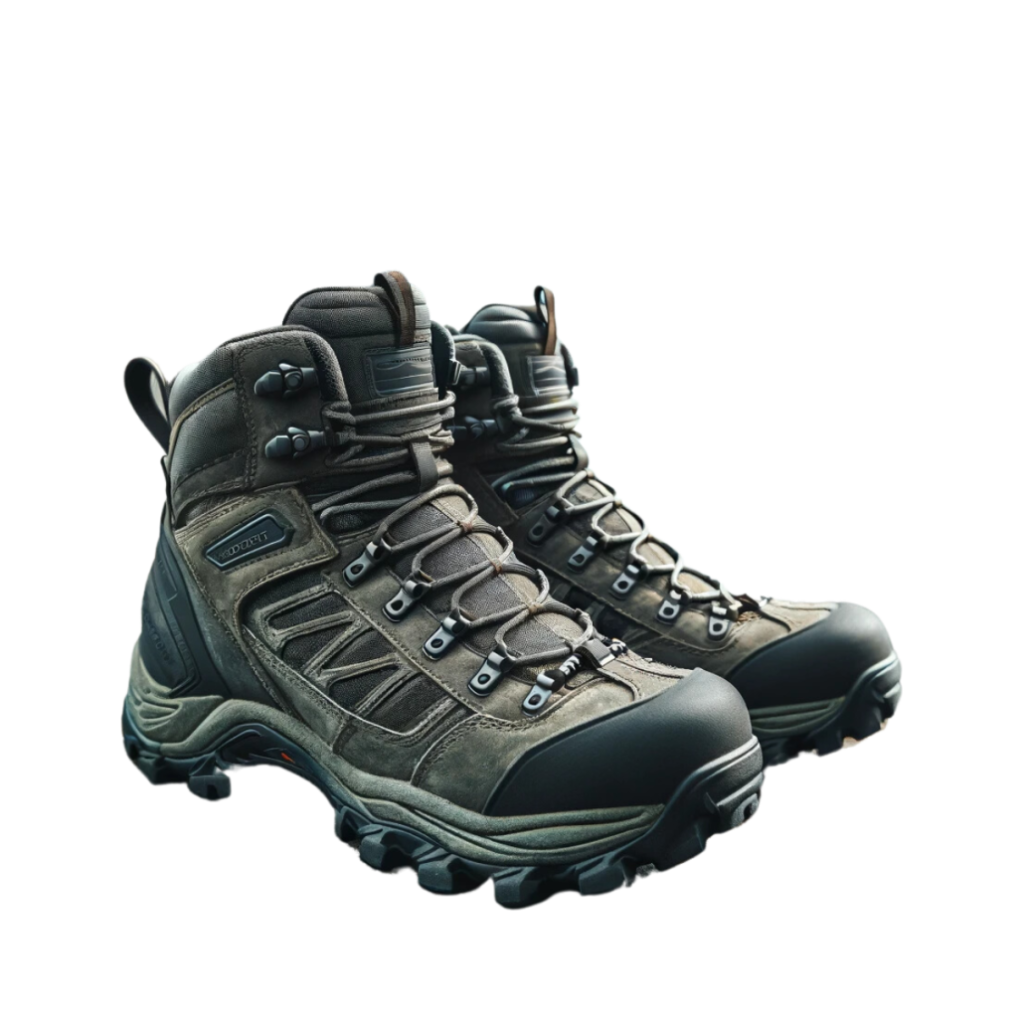
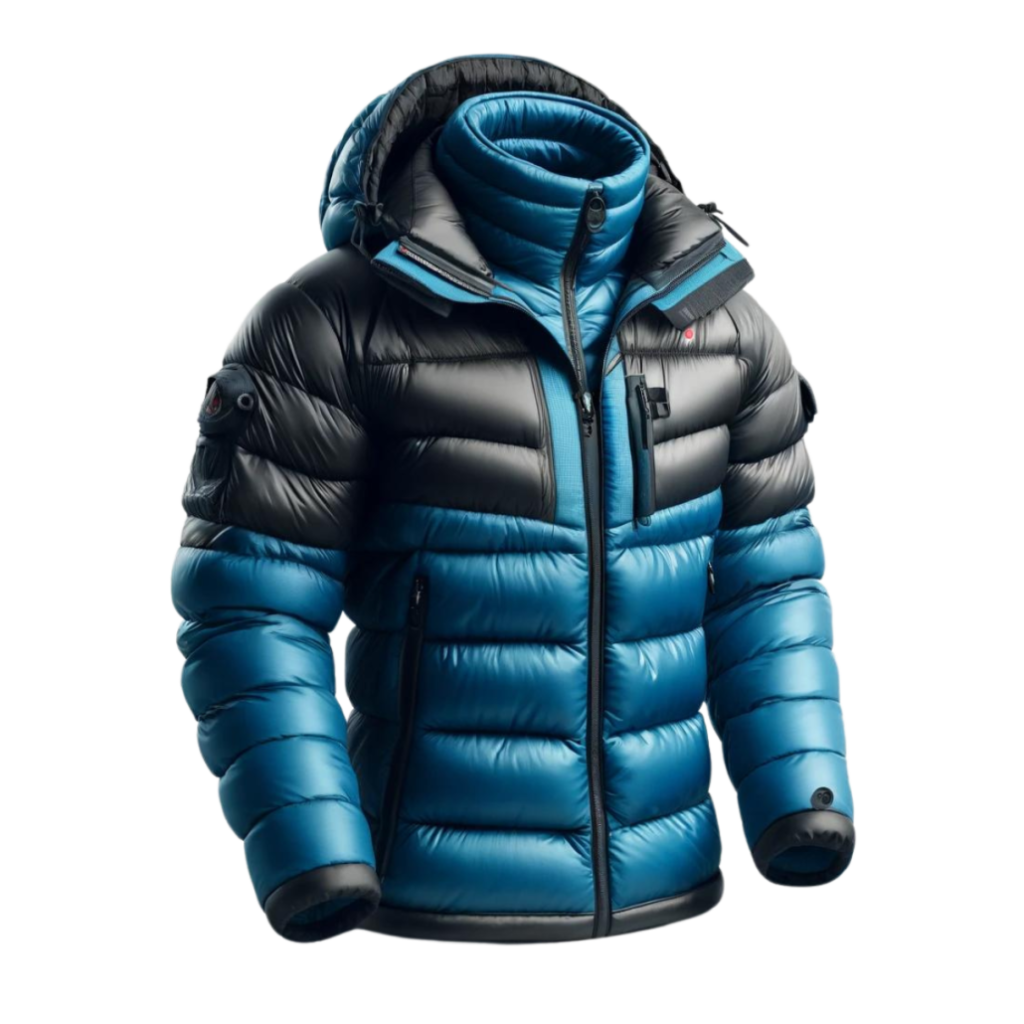
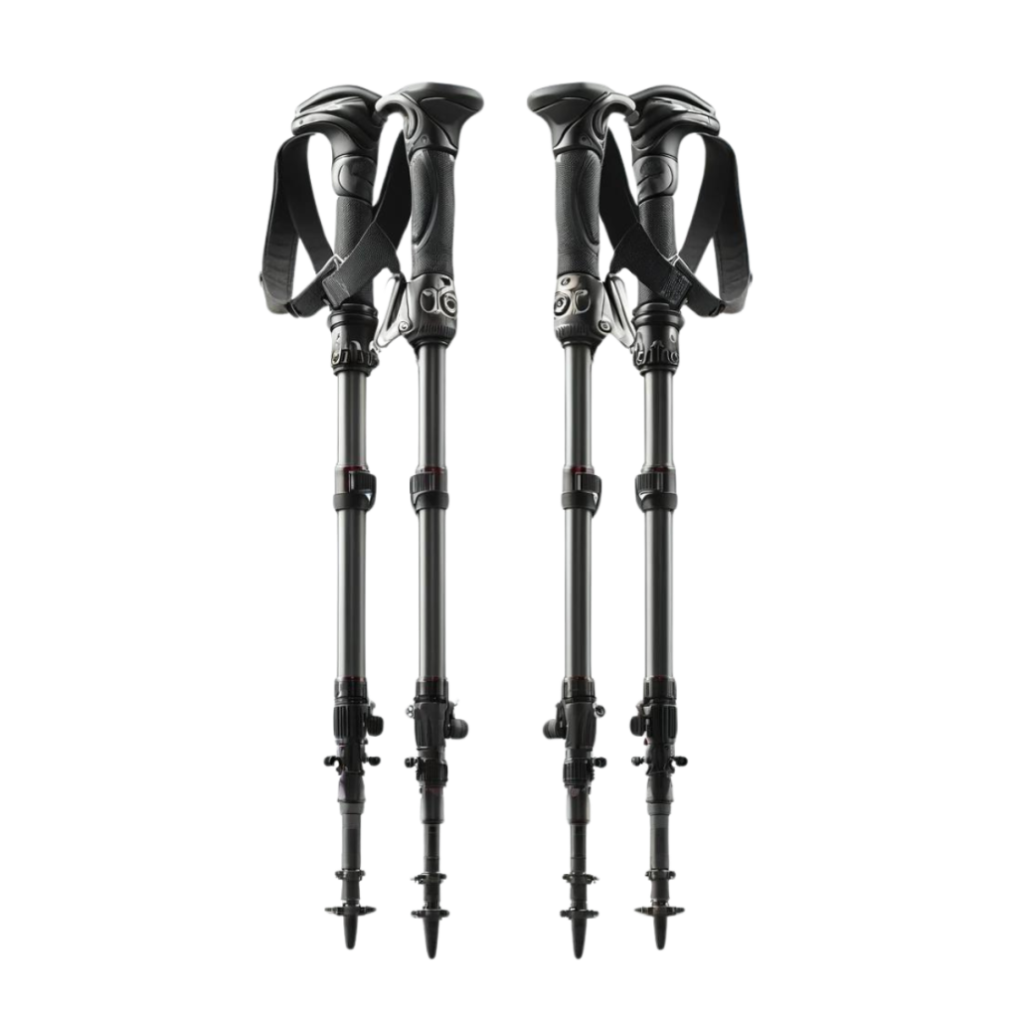
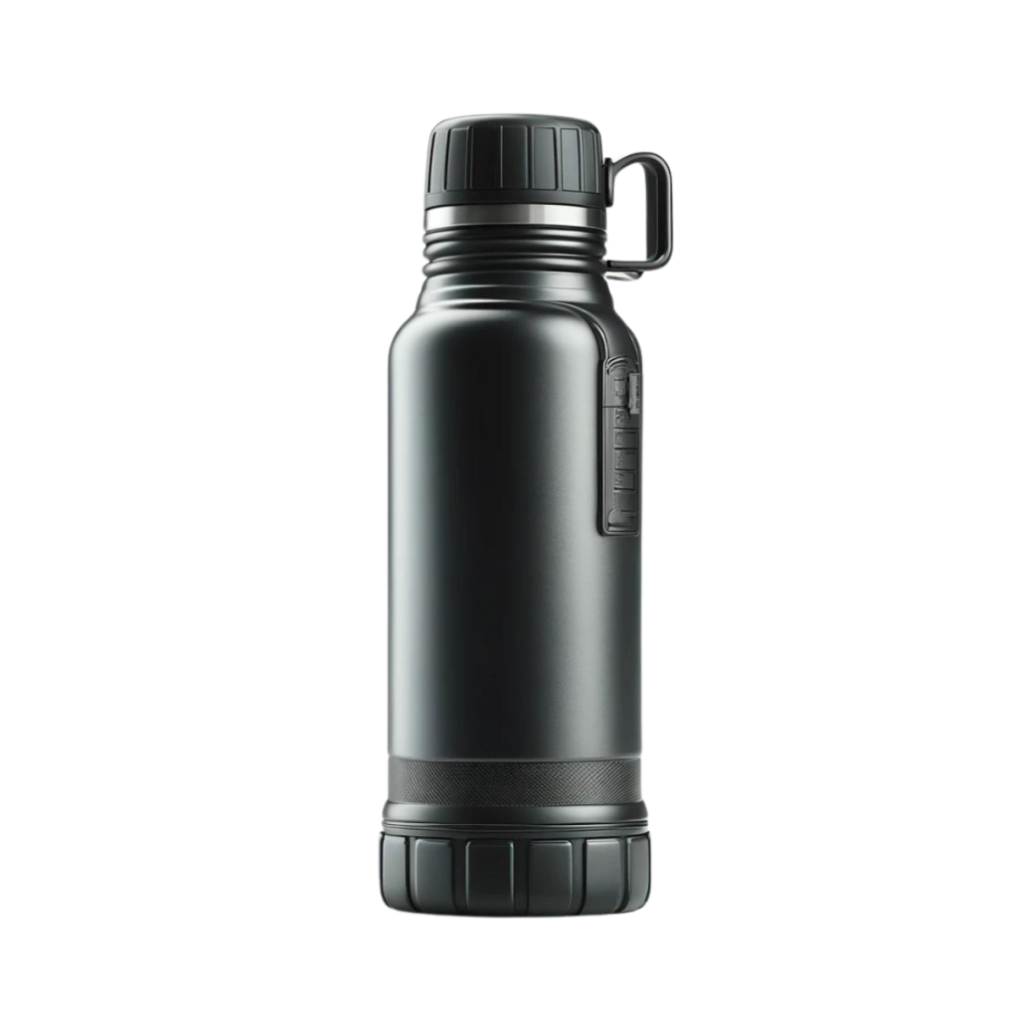
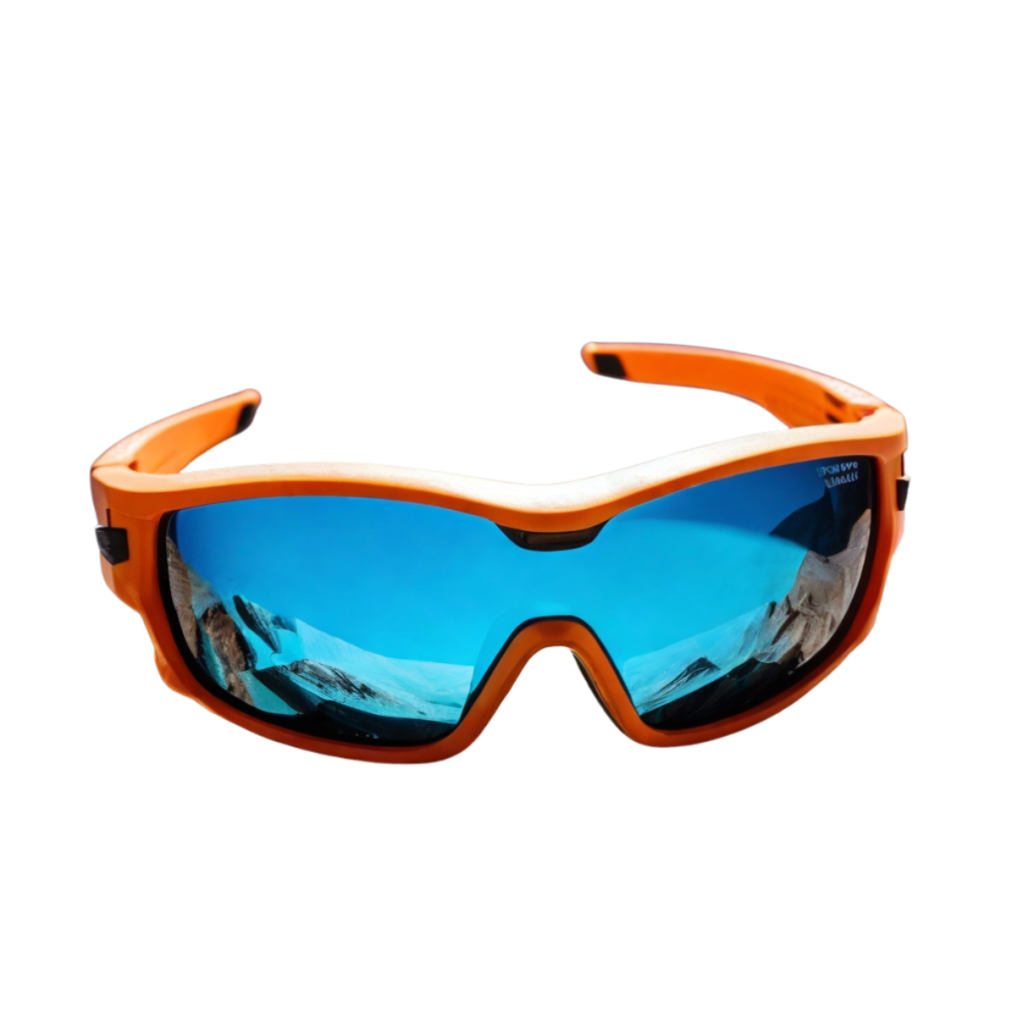
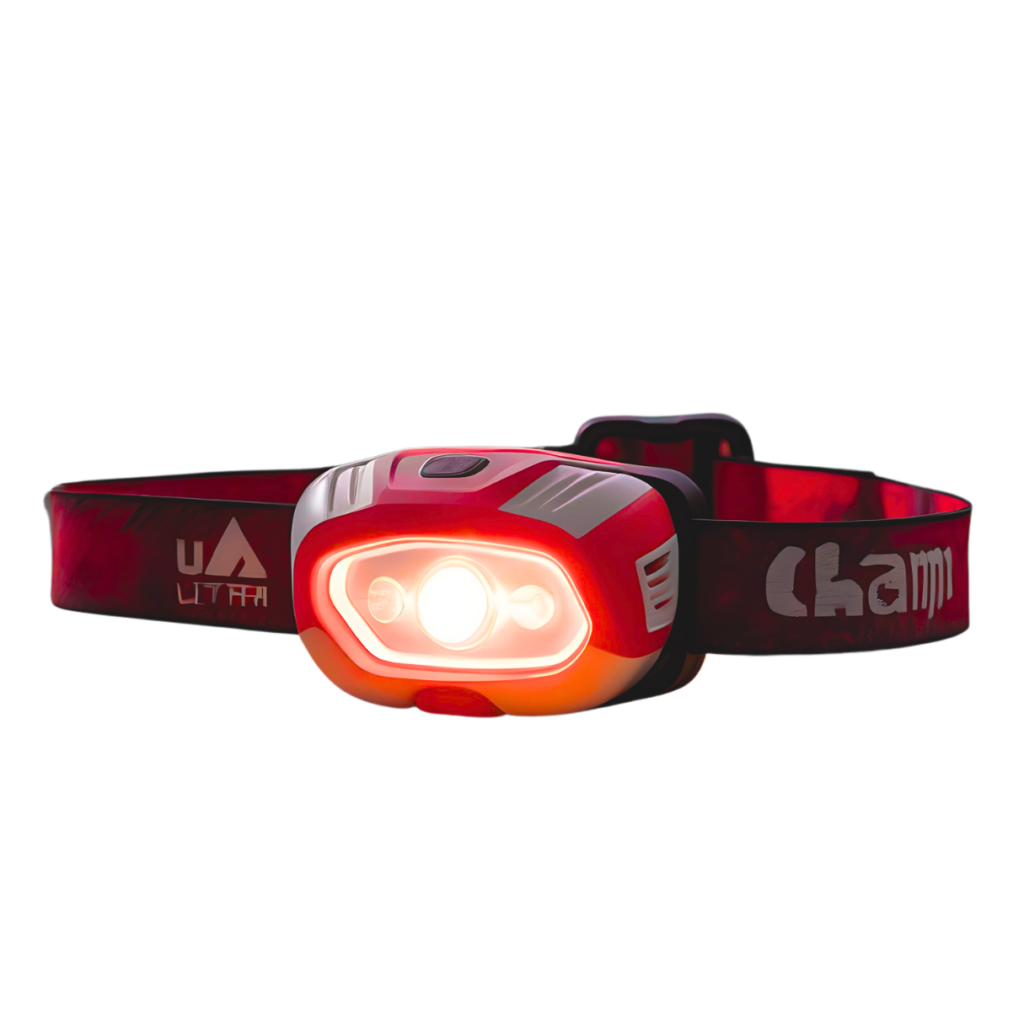
*Rental Gears Required*
Visit our Contracted Business Partner website – Summit Yak
for details on trek-specific rental gears and rates.
The route involves long days on rocky trails, scree slopes, glacial sections, snowfields, and high-altitude camps. While it is a non-technical peak, the terrain is physically demanding due to altitude, load carrying, and extreme weather exposure.
Mount Aconcagua stands at 6,961 m (22,838 ft), making altitude the primary challenge. Reduced oxygen levels, cold temperatures, and long summit days demand strong physical and mental endurance.
This is considered a non-technical expedition, but it is not a beginner climb. You must be comfortable with crampons, basic snow movement, and prolonged high-altitude living.
The ideal climbing season is late November to early February, when weather conditions are relatively stable. Even during this window, high winds and sudden weather changes are common.
This expedition is suitable only for experienced high-altitude trekkers or mountaineers. You must have:
➡️ Detailed preparation guidelines are covered in the Trek Preparation Guide.
Participants are expected to follow a structured training routine for several months prior to the expedition, including cardio, strength training, and load carrying.
➡️ Please refer to the Trek Preparation Guide section for detailed fitness and training requirements.
Accommodation is primarily tents at high-altitude camps. Lower camps may have basic facilities. Conditions are harsh, cold, and minimal, and participants should be mentally prepared for expedition-style living.
Water is sourced from glacial streams and melted snow. It is treated by the expedition team; however, participants are advised to carry personal purification tablets or filter water bottles as backup.
Boots & Crampons staff of highly trained professional guides is here to make your journey as safe and secure as possible. All of our trekking guides are medically certified and have abundant experience using their training in mountainous environments.
Our safety standards are based on the experiences of our founder, managing risk in some of the world’s most hostile environments.
While we advise our trekkers to carry light, our guides are always prepared with:
Be it queries about the trek, customization or anything else, our team is eager to assist you.
Need your questions answered right away?
Get in touch with us at
Discover similar treks from Boots & Crampons that quench your thirst for adventure.

Discover similar treks from Boots & Crampons that quench your thirst for adventure.