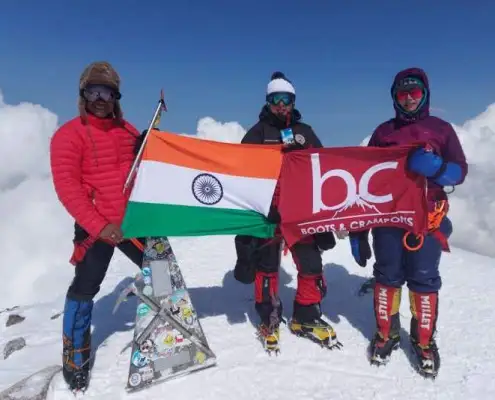
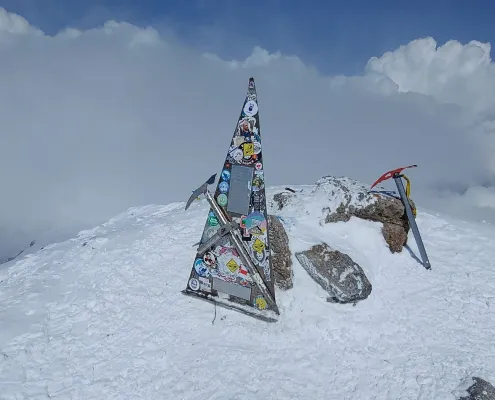
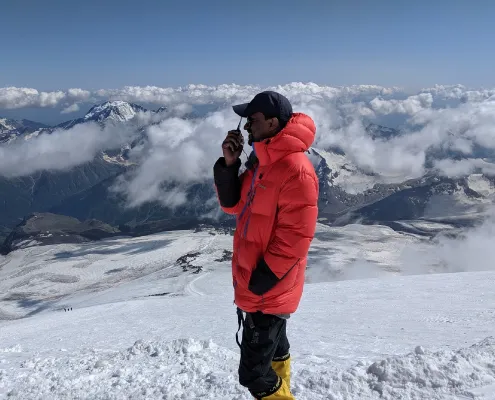
Mount Elbrus, the highest peak in Europe at 5,642 m, is one of the legendary Seven Summits. While often perceived as accessible due to infrastructure, Elbrus remains a serious high-altitude mountain that demands preparation, fitness, and discipline.
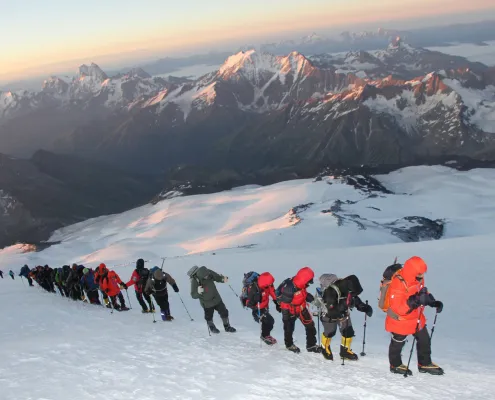
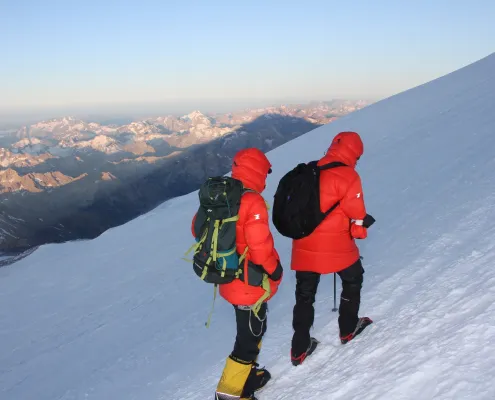
The climb involves snowfields, glaciated terrain, and long summit days in cold, windy conditions. The use of cable cars reduces approach effort, but summit day is uncompromising — steep snow slopes, biting winds, and prolonged exposure at altitude test climbers thoroughly.
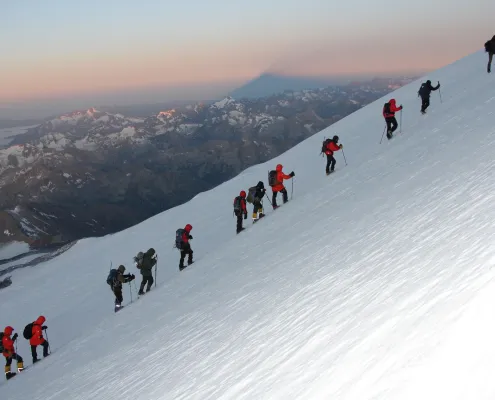
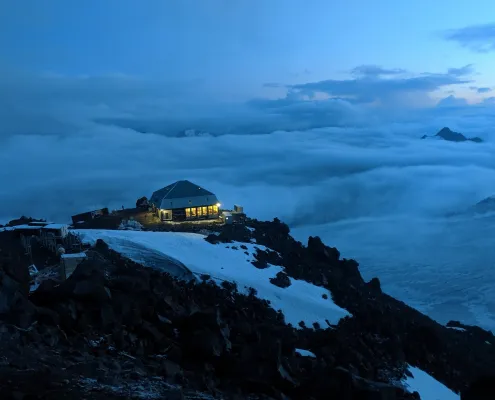
Summit attempts typically begin before dawn, with headlamps cutting through darkness as climbers push toward the top. Weather windows are narrow, and conditions can deteriorate rapidly. Elbrus is ideal for climbers seeking an international high-altitude summit and experience in snow and glacier travel.
Note: Prices mentioned are applicable for Indian passport holders. For foreign passport holders, the cost may vary. Please connect with the Boots & Crampons team for clarity.
Note: An indemnity document will be shared before the expedition. Signing it is mandatory.
Day 1: Arrival at Mineralnye Vody – Transfer to Mountain Hotel (2,100 m)
Arrival at Mineralnye Vody airport. From here, we transfer by bus (4–5 hours) to a mountain hotel situated at the foothills of Mt. Elbrus. Evening is free to rest and prepare for the expedition ahead. Overnight at hotel.
Day 2: Gear Check & Acclimatization Hike (3,000–3,150 m)
After breakfast, a thorough gear check is conducted by the team leader. Any required equipment rentals are arranged. Depending on the physical condition of participants and weather, we undertake an acclimatization hike to either the cable car station Cheget-3 (3,000 m) on Mt. Cheget or Terskol Peak (3,150 m). The guide decides the route in coordination with participants. Overnight at hotel.
Day 3: Transfer to Mountain Refuge (3,800 m) & Acclimatization Hike (4,300 m)
We move to the mountain refuge at 3,800 m. Non-essential luggage can be left at the hotel. The group reaches the refuge primarily via ski lifts, so only a short walk is needed from the final station to the hut. The cook may accompany the group or have a light lunch prepared at the refuge. After tea and snacks, we put on full mountaineering gear and go for an acclimatization hike up to 4,300 m (14,107 ft). Overnight at the refuge.
Day 4: Acclimatization Hike to Pastukhov Rocks (4,800 m)
A full day hike for acclimatization, ascending to Pastukhov Rocks and potentially higher (up to 4,800 m / 15,748 ft). This helps participants adjust to altitude in preparation for the summit attempt. Overnight at the refuge.
Day 5: Ice & Snow Training at the Refuge
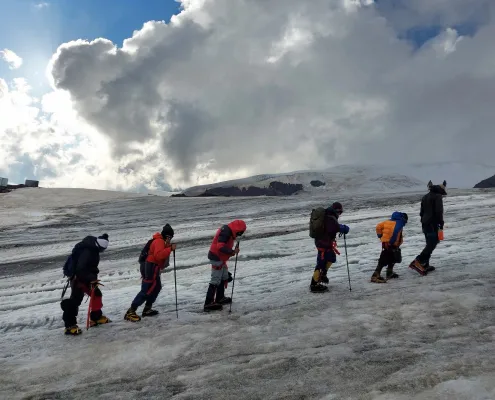
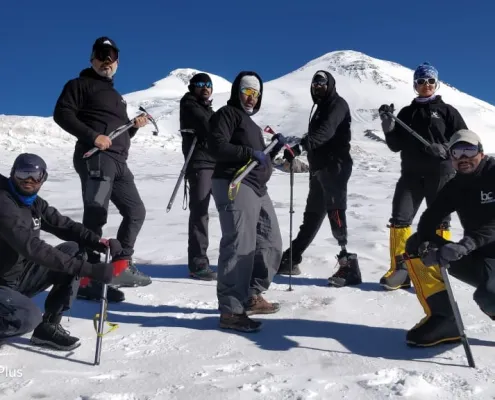
Today is dedicated to technical training near the refuge. Participants learn to wear crampons and walk safely on ice and snow. Techniques of self-arrest with an ice axe are demonstrated, and each climber practices sliding down slopes and securing themselves. No prior experience is necessary. Overnight at the refuge.
Day 6: Summit Day – West Summit of Elbrus (5,642 m / 18,510 ft)
We start early at around 3:00 AM for the summit push. The climb to the West Summit generally takes about 9 hours, with a 5-hour descent back to the refuge. If the group returns before 3:00 PM, there may be an option to descend to the valley and overnight at the mountain hotel (additional cost applies). Summit certificates will be awarded. Overnight at the refuge or hotel (based on group decision).
Day 7: Reserve Summit / Weather Day
This day serves as a backup in case bad weather prevents a summit attempt on Day 6. Any summit attempt today requires descending to the valley the same evening, as ski lifts stop operating at 4:00 PM. Summit certificates are awarded to successful climbers. Overnight at hotel.
Day 8: Transfer to Mineralnye Vody Airport & Departure
After breakfast, the group is transferred back to Mineralnye Vody airport for flights back to India, marking the end of the Elbrus expedition.
Please read carefully before registering
At Boots & Crampons, preparation is not optional. The level of training required depends on the duration, altitude, and technical difficulty of the trek or expedition you are signing up for.
Proper preparation increases not just your chances of success, but also your safety and enjoyment in the mountains.
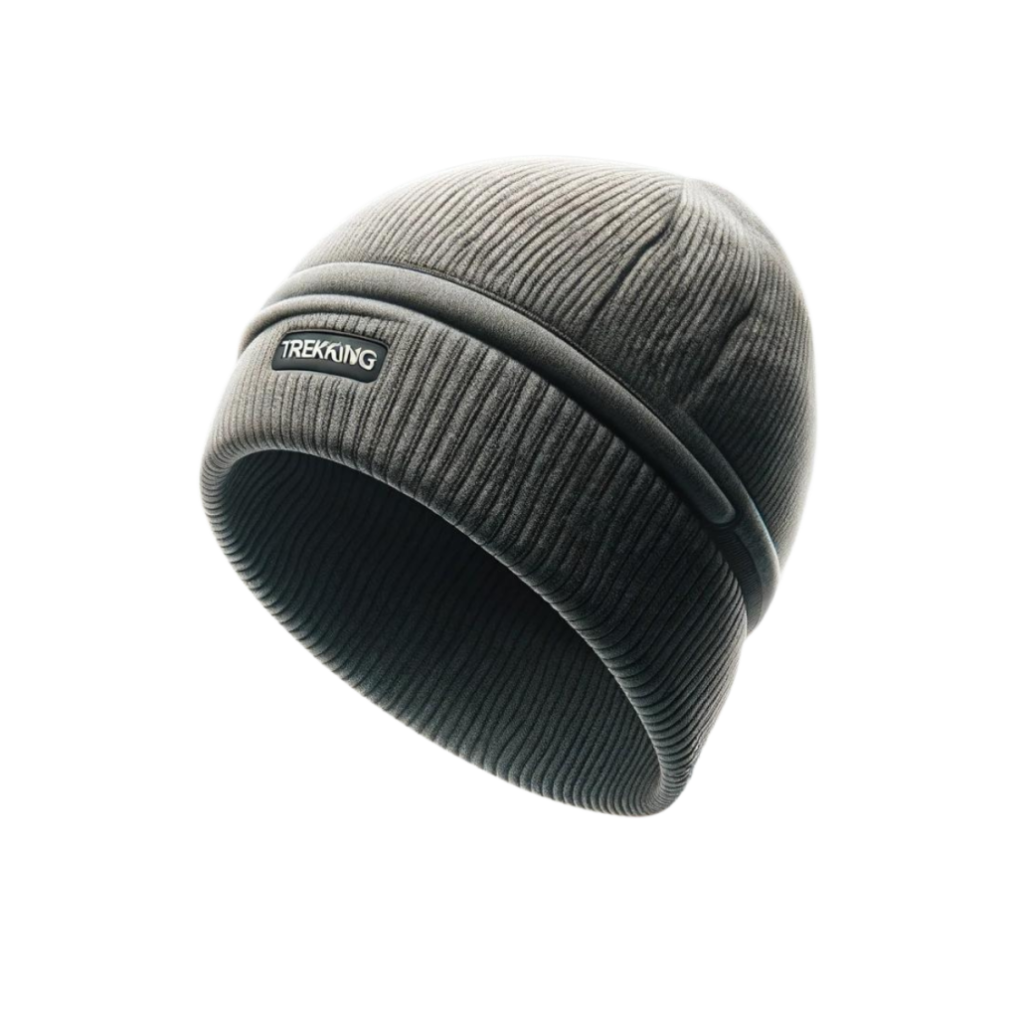
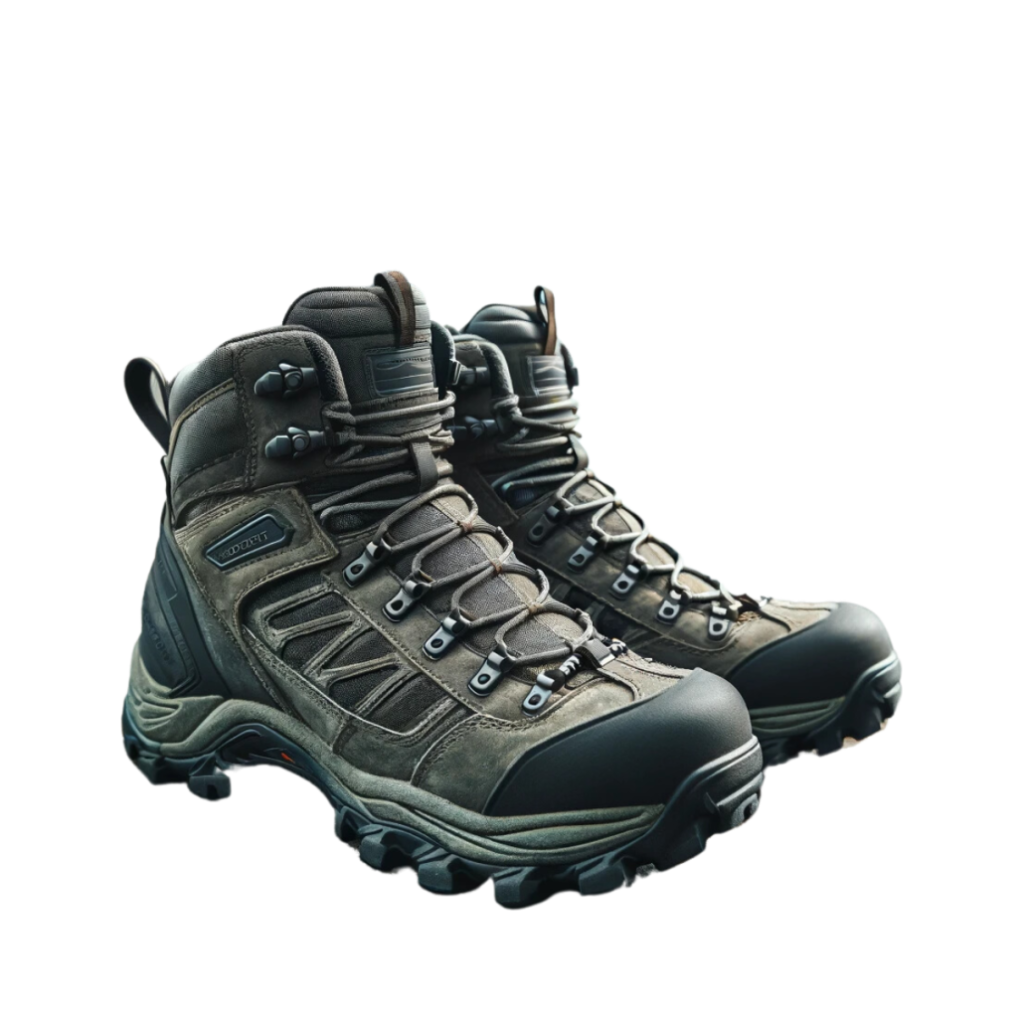
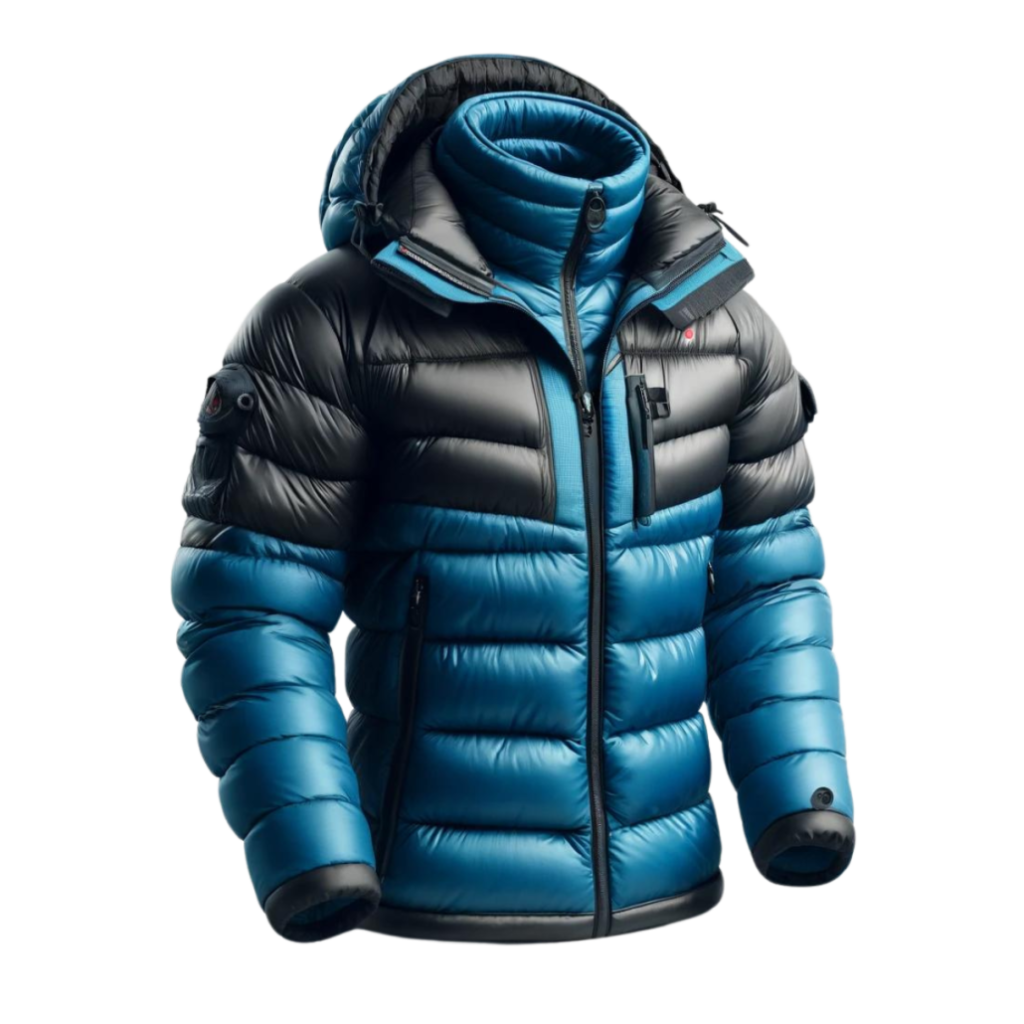
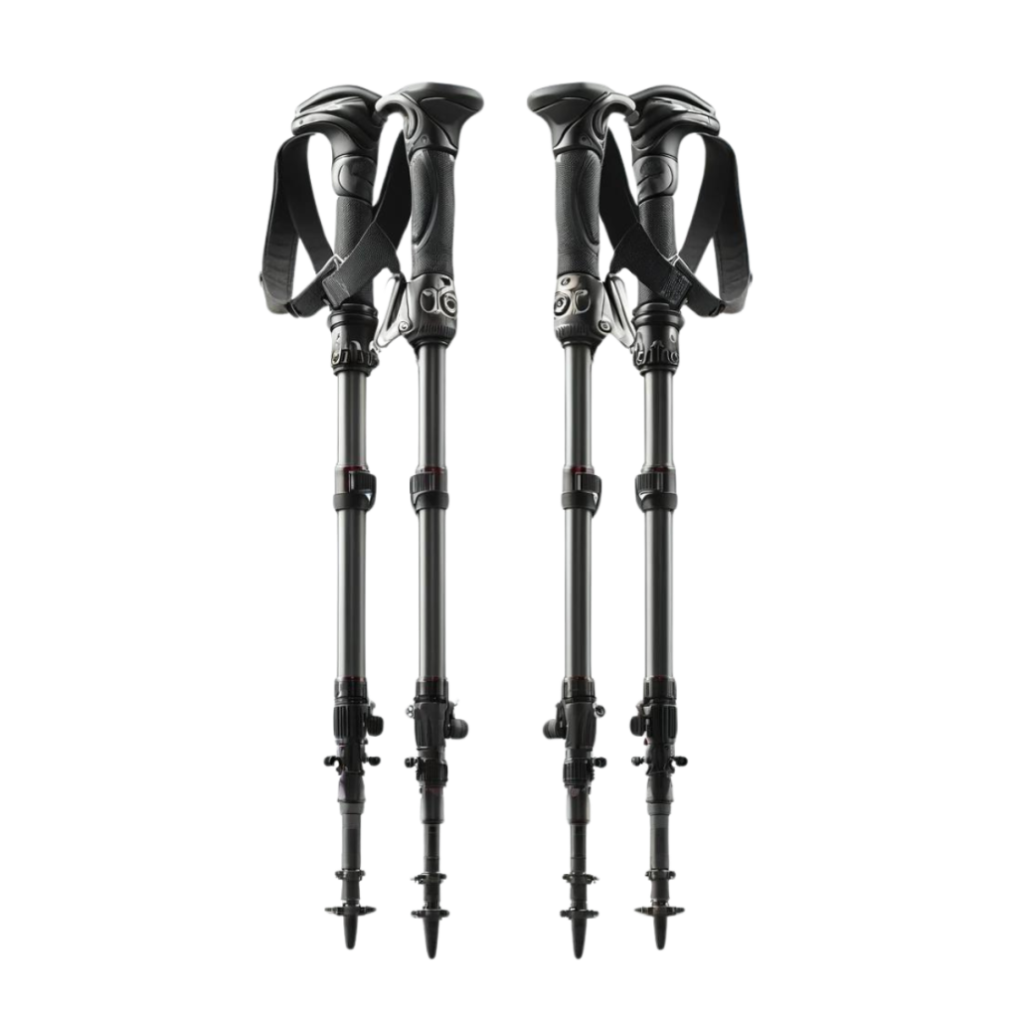
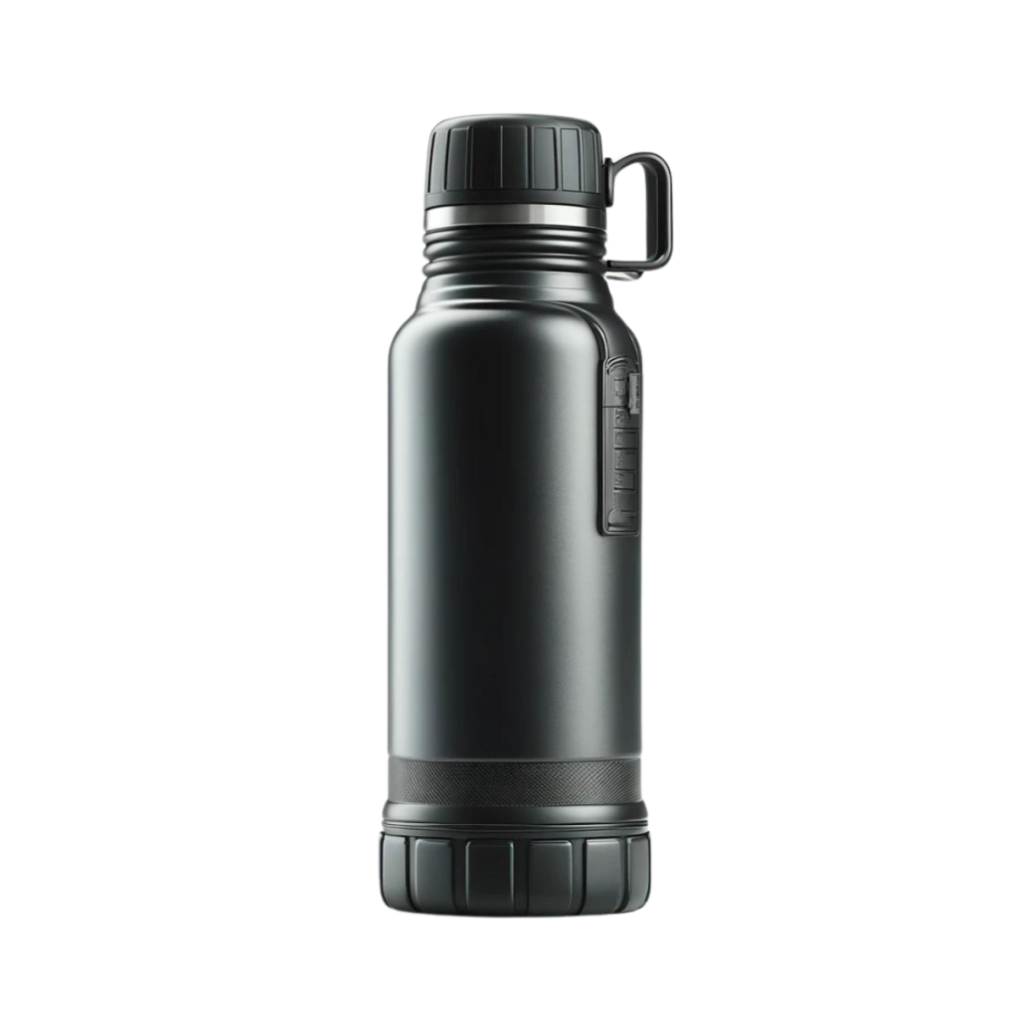
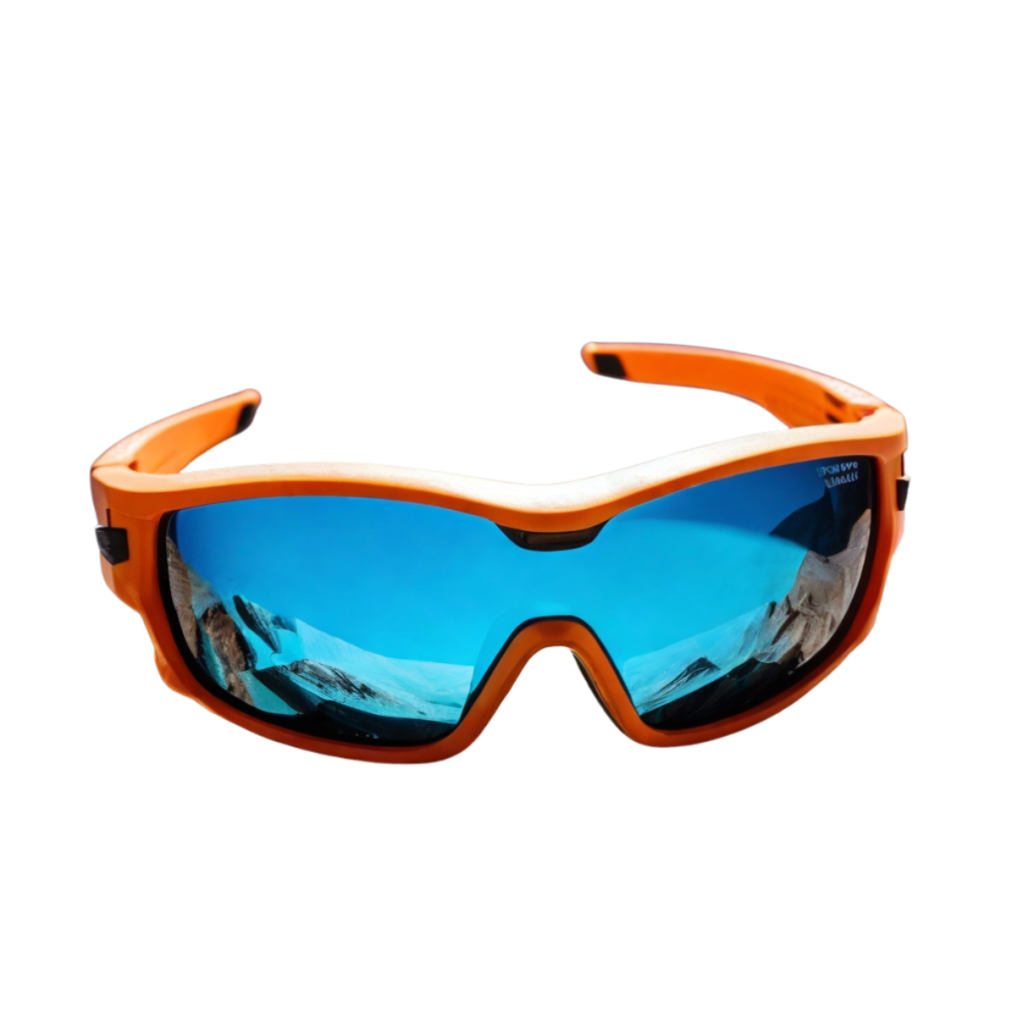
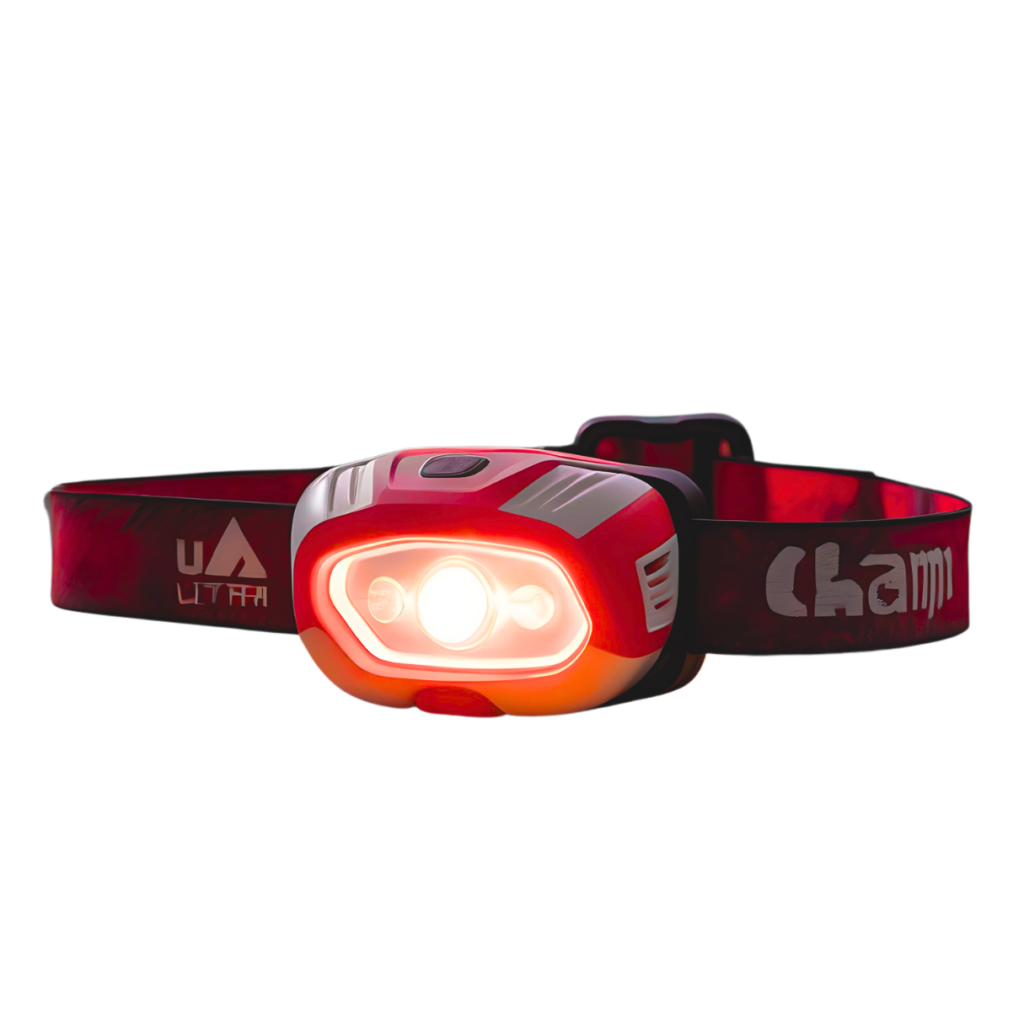
*Rental Gears Required*
Visit our Contracted Business Partner website – Summit Yak
for details on trek-specific rental gears and rates.
The climb combines rocky trails, moraines, high-altitude snow and glacier travel, and long, sustained ascents. The final sections toward the summit involve snow and ice slopes with rope use, typically done with crampons and an ice axe.
Mount Elbrus stands at 5,642 m (18,510 ft) — the highest peak in Europe. Altitude is the primary challenge on this expedition.
Elbrus is considered a moderate to hard high-altitude expedition. While no technical rock climbing is required, the combination of ice/snow travel, altitude, endurance, and long summit day demands strong conditioning.
The most suitable climbing window is July to September when weather conditions are comparatively stable and snow conditions are more predictable.
The typical itinerary lasts about 7–10 days, including:
Participants should have:
➡️ Refer to the Preparation Guide for full fitness and training details.
Key technical equipment includes:
Water is available from local sources at lower altitudes and near camps, but it should be treated or purified before drinking.
Preparation should focus on:
Mount Elbrus offers a classic high-altitude climb with immense satisfaction for those who are well-prepared and disciplined. Proper preparation, respect for altitude, and following safety protocols are the keys to success.
Boots & Crampons staff of highly trained professional guides is here to make your journey as safe and secure as possible. All of our trekking guides are medically certified and have abundant experience using their training in mountainous environments.
Our safety standards are based on the experiences of our founder, managing risk in some of the world’s most hostile environments.
While we advise our trekkers to carry light, our guides are always prepared with:
Be it queries about the trek, customization or anything else, our team is eager to assist you.
Need your questions answered right away?
Get in touch with us at
Discover similar treks from Boots & Crampons that quench your thirst for adventure.

Discover similar treks from Boots & Crampons that quench your thirst for adventure.